
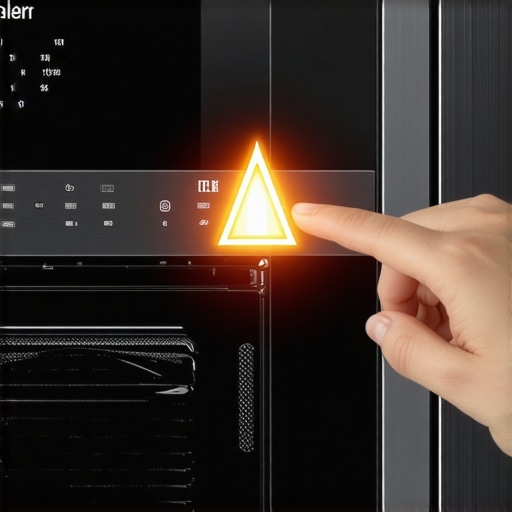
It was late one evening when I opened my wine cooler, only to be greeted by an incessant beeping that refused to stop. At first, I thought it might be a security alarm or some fancy feature I hadn’t noticed. But no—this was just my trusty wine cooler giving me an urgent, high-pitched warning, and honestly, I felt a bit helpless. That moment was a real lightbulb for me; I realized how frustrating it can be when your appliances beep endlessly, especially when you’re trying to relax or get some sleep. If you’ve ever experienced the same annoyance, you’re not alone.
Decoding the Beeping: What’s Your Wine Cooler Trying to Tell You?
Many homeowners find themselves puzzled by the constant alert signals from their wine coolers. These alarms aren’t just noise; they are messages—sometimes trivial, often important—that hint at underlying issues. The good news? Most of these beeping problems are manageable and can be fixed without a full appliance replacement. I promise, we’ll get to practical solutions soon.
Inspect the Error Alerts Carefully
Begin by checking your wine cooler’s display panel for any error codes or flashing lights. These codes are like a map guiding you toward the root cause. For example, a blinking temperature icon may indicate that the thermostat needs adjustment. Remember, addressing the specific alert can save you time and unnecessary troubleshooting. When I encountered a persistent beeping, I found the error code on my cooler’s display, revealing a door not sealing properly. Fixing that immediately stopped the noise.
Verify the Door Seal and Placement
Ensure the door is closing completely and sealing tightly. A loose or damaged gasket can trigger alarms. Think of the door seal as a vacuum lock; if compromised, the unit’s internal environment is affected, prompting warnings. I once discovered my cooler’s door was slightly ajar after moving it, which caused constant beeping. I reseated the door, cleaned the gasket, and the beeping ceased. For tricky seals, consult installation guides or the manufacturer’s instructions to properly align and secure the door.
Check the Temperature Settings and Alarms
Incorrect temperature settings often trigger warnings. Use the control panel to set the ideal range—generally between 45-50°F for wine storage. If the temperature is outside this range, adjust it accordingly. Also, consider whether the unit has an active alarm for temperature fluctuations. Resetting to the recommended temperature can resolve the beeps. I once inadvertently set my cooler to a super-cold setting, causing a continuous alert. A quick reset fixed the issue.
Examine Power and Placement Conditions
Power fluctuations or placement issues can lead to false alarms. Ensure the cooler is plugged into a stable outlet—preferably on a dedicated circuit—and that the power cord isn’t damaged. Position the cooler away from heat sources or direct sunlight, as external heat can cause internal alarms. I had placed my cooler near an oven, which resulted in temperature instability and constant beeping. Moving it to a cooler, shaded spot immediately solved the issue. For persistent electrical issues, consider scheduling a professional inspection or referencing your warranty benefits via warranty tips.
Reset the Cooler Properly
Sometimes, a simple reset can clear warning signals. Unplug the unit, wait 5 minutes, then plug it back in. This action refreshes the electronics and may resolve minor glitches. During my troubleshooting, I performed this reset after ensuring all other factors were correct, and the beeping stopped. Remember, if your unit continues to beep despite these efforts, professional repair services with warranty backing like those found here can help diagnose more complex issues.
Seek Professional Help if Needed
If you’ve tried all these steps and the beeping persists, it’s time to contact a certified technician. They can identify hardware faults, sensor failures, or electronic malfunctions that are not user-serviceable. When scheduling repairs, consider same-day services to minimize downtime, especially if your wine collection is sensitive to temperature fluctuations. For guidance on professionals near you, visit fast repair services. Addressing and fixing these issues promptly ensures your wine stays at the perfect temperature and your home remains peaceful.
While many homeowners believe that purchasing a warranty guarantees effortless repairs or that same-day service always comes with no fuss, the reality is far more nuanced. In my experience, common misconceptions often lead to costly misunderstandings and prevent you from maximizing your appliance protection. Let’s explore some of these deceptive beliefs and unusual pitfalls.
Why Most People Overlook the Fine Print of Warranties
It’s tempting to assume that a warranty covers all repairs indefinitely, but in truth, many warranties come with *hidden exclusions* and fine print that can catch you off guard. For example, some warranties exclude damage caused by user errors or lack of maintenance. Others might have a limited coverage period that homeowners often forget to check. A study by the Consumer Reports National Research Center reveals that nearly 60% of consumers are unaware of their warranty’s actual coverage details, leading to disputes when claims are denied. To truly benefit from your warranty, it’s crucial to read the terms carefully, especially clauses about authorized repair providers and parts replacement policies. For more insights, see our guide on *maximizing your appliance warranty during emergency repairs*.
The Trap of Assuming All Same-Day Repairs Are Instant
Many think that ‘same-day’ means a technician will knock on their door within hours and fix everything on the spot. But in reality, *same-day service* often involves scheduling a visit within 24 hours, with some repairs requiring parts that may not be immediately available. In fact, some providers prioritize speed over quality, leading to rushed or incomplete fixes. This can result in appliance breakdowns recurring sooner than expected. To avoid this pitfall, consider checking the company’s reputation for *trustworthy service* and whether they stock common parts. Our article on *what to expect from same-day appliance repair experts* elaborates on this nuanced process.
Installation Troubles: The Overlooked Source of Future Headaches
Many assume that installation is straightforward—once the appliance arrives, plug, play, and enjoy. However, poor installation can compromise performance, cause safety hazards, or void your warranty. For example, improper leveling of a refrigerator can lead to water leaks or excessive noise, while incorrect venting of a gas stove could be dangerous. A survey by Appliance Magazine finds that nearly 20% of service calls are due to installation errors. To avoid this, always hire certified professionals and verify their credentials. For comprehensive guidance, visit our *expert guide to appliance repair and installation today*.
What about the Risk of Subpar Parts and Unvetted Techs?
A surprising trap many fall into is accepting cheaper, third-party parts or unqualified repair technicians, thinking it saves money. But this often results in substandard repairs that fail prematurely, damaging the appliance and voiding warranties. Certified technicians use genuine parts, ensuring longevity and adherence to safety standards. Official warranty providers often partner with trusted service experts, which is why leveraging reputable repair services like those outlined in *warranty-backed appliance services you can rely on* can safeguard your investment. Remember, a quick fix today shouldn’t cost you more tomorrow.
Are you familiar with these hidden truths? Have you ever fallen into this trap? Let me know in the comments and share your stories! Remember, understanding these nuances empowers you to make smarter decisions and get the most out of your appliances.
Keeping your appliances in top shape requires more than just occasional fixes; it demands a proactive approach using the right tools and practices. Personally, I swear by a digital infrared thermometer, which I use daily to monitor temperature fluctuations in devices like refrigerators and wine coolers. This simple tool helps me catch problems early, saving costs and preventing breakdowns. Implementing routine checks with a multimeter for electrical continuity and a USB-powered diagnostic interface for smart appliances can significantly extend your equipment’s lifespan. These tools empower you to identify issues before they escalate, ensuring ongoing performance and peace of mind.
Regular maintenance routines are crucial for long-term results. I recommend scheduling monthly inspections of door seals, cleaning condenser coils, and verifying calibration settings. To simplify this, I rely on automation software like Appliance Monitor Pro, which tracks usage patterns and alerts me to potential issues—kind of like having a personal technician at my fingertips. Such software is advancing fast, and I predict future versions will incorporate AI-driven diagnostics, offering even more precise maintenance advice.
How do I maintain my appliances over time? Addressing this question, I emphasize establishing a systematic cleaning and inspection schedule, staying vigilant for early warning signs, and leveraging modern diagnostic tools. Staying ahead of problems not only prolongs appliance life but also keeps warranties intact. For example, many warranties are voided if routine maintenance is neglected, so utilizing recommended tools and practices is both economical and smart.
For comprehensive maintenance strategies, consider consulting expert guides like our detailed guide on appliance repair and upkeep. Additionally, investing in professional services with extended warranties can complement your DIY efforts, especially for complex systems. Remember, the key to “keeping it working” lies in combining smart tools with consistent practices. Why not try calibrating your refrigerator’s temperature with a digital thermometer today? It’s a quick step that can safeguard your food and extend appliance life, proving the value of simple tech in long-term maintenance.
Insider Wisdom That Changed My Approach to Warranty and Repairs
One of the most eye-opening lessons I learned was the importance of thoroughly reading my appliance warranty’s fine print. I used to assume coverage was comprehensive and indefinite, but discovering exclusions about user errors and maintenance left me caught off guard. Now, I make it a point to understand every clause and regularly review my coverage details, saving myself headaches and costs. Another lesson was realizing that same-day service isn’t always as instant as it sounds—it’s about scheduling and parts availability, not magic. Setting realistic expectations has helped me avoid frustration and plan repairs more effectively. Lastly, I’ve come to appreciate proper installation and quality parts, knowing that rushing or cutting corners can lead to recurring issues, warranty voids, and unnecessary expenses. These wisdoms aren’t just tips—they’ve transformed how I maintain my appliances and manage warranties, ensuring smoother, stress-free experiences.