
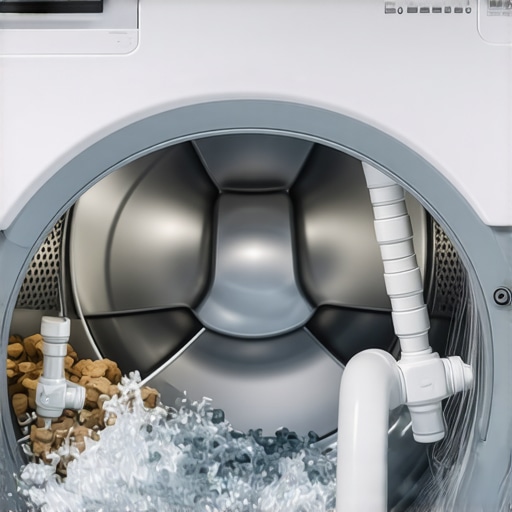
If you’ve ever thrown in a load of laundry only to see your washing machine suddenly halt with a confusing error code, you know the sinking feeling that follows. I remember the first time I encountered that dreaded washer pump error – I was mid-cycle, and my machine suddenly stopped, flashing an inscrutable code on the display. It was frustrating, stressful, and honestly a little intimidating for someone who’s not a seasoned repair person.
But here’s the thing – these error codes are often signs of straightforward issues, and with a little guidance, you can tackle them yourself. Today, I want to share my journey from confusion to confidence, helping you understand what that pesky error code really means and how to fix it without calling in expensive technicians every time. Trust me, resolving this problem can save you both time and money, and I’ll walk you through each step.
Decoding the Washer Pump Error Code
When your washing machine displays an error that indicates a blocked pump, it’s usually a sign that something’s preventing proper drainage. This can be caused by debris, lint, or even a small sock caught in the pump. Recognizing the causes early on can stop minor issues from turning into costly repairs. I learned this the hard way — I made the mistake of ignoring the error screen, which led to water backing up and a flood in my laundry room. That was a costly lesson in paying attention to warning signs.
Is Diagnosing a Blocked Pump Really Worth My Time?
Absolutely. Early detection means you can fix the problem quickly, often with simple tools. Plus, understanding what causes these issues empowers you to avoid future mishaps. In the early days, I thought I needed new parts every time something went wrong. But I soon discovered that many problems could be resolved with basic troubleshooting. For reliable service when needed, I recommend scheduling your repairs through trusted providers — check out their same-day service options.
One crucial tip I learned early was to avoid the common mistake of ignoring small signs of trouble, like persistent draining noise or minor leaks. These can quickly escalate if neglected. Being proactive not only saves you money but also prevents unnecessary stress. Now, I make it a point to understand my appliances better and perform regular maintenance, like cleaning the drain filters, which can significantly extend their lifespan.
With that foundational knowledge in place, let’s move on to the practical steps — how to inspect, clean, and repair your washer pump effectively. Ready? Let’s go through the process that turned my frustrating experience into a successful fix, so you can get back to your laundry routine without a hitch.
Gather Your Tools and Prepare Your Workspace
Start by unplugging your washing machine to ensure safety. You’ll need a Phillips screwdriver, a flat-head screwdriver, and a towel or shallow container to catch any residual water. Clear enough space around the machine to access the pump area, like I did when I decided to fix my own washer last summer. I placed towels on the floor to soak up any water and laid out my tools so everything was within arm’s reach.
Access the Washer Pump Carefully
Remove the Access Panel
Locate the bottom panel at the back of your washer, usually held in place with screws. Unscrew it using the Phillips screwdriver, taking care not to strip the screws. Set the panel aside. In my case, I kept a small container nearby to hold the screws—I almost lost one behind the washer! Once the panel is off, you should see the pump and the hoses attached.
Disconnect the Water Hoses
Slowly loosen the clamps securing the hoses to avoid spilling water. Place a towel or tray underneath to catch drips. Gently disconnect and examine the hoses for debris or blockages. When I did this, I found a small sock wedged in the pump, which was causing the error. Clearing it out immediately restored proper drainage and prevented further errors.
Inspect and Clean the Pump
Look for any debris, lint, or damage to the impeller blades. If the impeller is jammed or broken, replacing the pump may be necessary, but often cleaning suffices. Use a brush or cloth to remove buildup. I used an old toothbrush to scrub stuck lint from the impeller. After cleaning, rotate the impeller manually to ensure it moves freely—resistance indicates a problem.
Test Your Work Before Reassembly
Reconnect the hoses loosely and run a quick test cycle without clothes. Keep towels handy in case of leaks. Observe the drainage process; if water flows smoothly, you’ve likely solved the problem. If not, double-check connections. I ran a short cycle and watched my machine drain perfectly, which was a huge relief.
Reassemble and Finalize the Fix
Secure the hoses with clamps, reattach the access panel, and tighten screws. Wipe up any water, and plug the machine back in. If the error persists, consider scheduling professional help — reliable repairs often come with warranties and assurances. You can explore same-day service options that align with quick turnaround times. Sometimes, a simple cleaning makes all the difference, saving you costly replacements and downtime.
Remember, regular maintenance like cleaning the drain filter can prevent future issues. Keep an eye on leaks or unusual sounds, and address minor problems promptly to prolong your washer’s lifespan. For more detailed tips on trustworthy service, check out how to ensure reliable appliance installation in 2025.
When it comes to appliance repair and service, there’s a pervasive myth that all technicians, installation companies, and warranties are created equal. Many homeowners assume that choosing the cheapest option or relying solely on brand warranties guarantees quality, but in my experience, these assumptions can backfire. A common trap is believing that “same-day service” always means dependable, high-quality repair; however, companies vary widely in expertise and transparency. Notably, some providers offer quick fixes that only mask underlying issues, leading to recurring problems and higher costs over time. It’s critical to scrutinize the service provider’s reputation and technical credentials, as highlighted by industry experts who stress the importance of certified technicians and transparent warranties.
One hidden nuance often overlooked is the fine print of warranties. Many warranties seem comprehensive but exclude common repairs or impose strict conditions, such as regular maintenance that homeowners might ignore. For example, a warranty might not cover damages caused by improper installation, yet many consumers forgo professional setup, risking voided coverage. Trusting a warranty without understanding its limitations can lead to unexpected expenses. To truly protect your investment, it’s wise to learn the specifics of warranty policies—some of which, when properly utilized, can maximize your coverage during emergency repairs. For in-depth guidance, check out how to maximize your appliance warranty during emergency repairs.
Another common misconception is that all same-day services are equally reliable. While many companies tout rapid response times, they may lack the necessary experience with complex or older appliances. An overheard warning is to avoid service providers who promise quick fixes without diagnostics, as this can lead to incomplete repairs or damage to your appliance. Instead, look for providers who balance speed with expertise, such as those referenced in what to expect from reputable same-day appliance repair experts. Quick turnaround is valuable, but quality and professionalism should never be sacrificed.
Many homeowners overlook the importance of choosing licensed and insured technicians. This is especially critical during installations, where a slip-up can cause long-term damage or safety hazards. An improperly installed fridge or washer can lead to operational failures and reduce the lifespan of the appliance, which ironically costs more than a professional installation in the first place. For guaranteed peace of mind, consider services that guarantee reliable installation, like the ones described in how to ensure reliable appliance installation in 2025.
Let’s not forget the trap of assuming all parts used in repairs are equal. Cheap, non-original parts might save money upfront but tend to fail quickly, causing repeat repairs and wasted time. To avoid this, always inquire whether your service provider uses OEM parts or quality equivalents. Reliable providers often offer warranties on their repairs, providing extra assurance that your appliance will function properly long-term, as detailed at warranty-backed appliance services you can rely on.
Finally, the key takeaway is that being an informed homeowner goes beyond choosing the cheapest or fastest option. Scrutinize warranties, verify technician credentials, and understand the scope of services to prevent costly mistakes. Smart decisions today can save you headaches and money tomorrow. Have you ever fallen into this trap? Let me know in the comments and share your experiences.
How do I keep my appliances running smoothly over time?
Maintaining your appliances isn’t just about quick fixes when something breaks; it involves investing in the right tools and adopting consistent routines. Having quality, specific tools at your disposal can make all the difference in diagnosing minor issues before they escalate. For instance, I rely heavily on a digital multimeter to test electrical components accurately, saving me time and guesswork. A reputable model like the Fluke 117 helps me verify continuity and voltage levels quickly, ensuring safety and precision in repairs.
In addition to electrical testing devices, I recommend keeping a specialized appliance brush for cleaning filters and impellers, which are often overlooked but crucial for optimal performance. Regularly cleaning these parts with the right tools prevents buildup that can cause errors or energy inefficiency. For more complex diagnostics, I use a USB endoscope camera—compact, affordable, and excellent for visual inspections inside tight spaces, like water pumps or behind panels. This type of inspection tool lets me spot debris or damage without disassembling the entire unit, which speeds up repairs and minimizes unnecessary disassembly.
Future trends in appliance maintenance tools
As technology advances, I predict a growing integration of smart diagnostic tools. Imagine an app-enabled device that can connect to your appliance’s Wi-Fi module, providing real-time data, error codes, and maintenance alerts right on your phone. These innovations aim to shift maintenance from reactive to proactive, extending appliance lifespan and preventing costly breakdowns. Staying ahead with these tools will be essential for homeowners eager to manage their appliances more effectively while saving time and money.
Best practices to ensure your tools remain effective over time
Proper maintenance of your equipment is as important as having the right tools. Regular calibration of multimeters, proper cleaning of brushes, and storing sensitive items in dry, cool places ensure long life and accuracy. Additionally, familiarize yourself with manufacturer protocols—many brands have recommended maintenance procedures documented in technical manuals or online resources. For instance, the expert guide to appliance repair emphasizes that using the correct technique and tools enhances repair quality and longevity.
Upgrading your maintenance approach today
If you’re serious about keeping appliances in prime condition, try investing in a multimeter with data logging capabilities or a Wi-Fi diagnostics kit. These tools simplify troubleshooting and empower you to address minor issues before they become emergencies. Remember, paired with reliable service providers—confirm their credentials through reputable channels—you’ll ensure your investments last longer and perform better. For scheduled inspections or immediate repairs, explore same-day repair services that prioritize quality and warranty support. The key is to stay proactive using precise tools and trusted professionals, ultimately keeping your appliances working efficiently and reliably in the long run.
Lessons From My Repair-Resistant Mistakes
- Don’t Assume Cheap Parts Will Save You Money: I used non-OEM components thinking it was a bargain, only to face repeat repairs. Investing in quality parts pays off in durability and peace of mind.
- Overlooking Regular Maintenance Can Cost Big: Skipping simple tasks like filter cleaning led to early failures. Staying proactive saves dissatisfaction and expense.
- Speed Isn’t Always Quality: Choosing the first available emergency service can be tempting, but verifying credentials ensures lasting solutions instead of temporary patches.
- Understanding Warranties Protects Your Investment: Not reading the fine print led me to lose coverage on a repair that could have been free. Familiarizing myself with warranty terms shields against unwarranted costs.
- DIY Troubleshooting Empowers You: Small issues often have straightforward fixes—knowing what to check before calling professionals made my repairs faster and more cost-effective.
The Tools and Resources That Made a Difference
- Reliable Multimeter like Fluke 117: Accurate diagnostics save time and prevent unnecessary parts replacement.
- Specialized Appliance Brush: Keeping filters and impellers clean extends appliance lifespan and prevents errors.
- USB Endoscope Camera: Visual inspections reveal hidden debris and damage without full disassembly, speeding up troubleshooting.
- Industry Guides and Trusted Service Platforms: Resources like the expert repair guides and reputable service providers ensure quality work and peace of mind.
Your Next Step Toward Confident Appliance Care
Taking control of your appliance maintenance benefits you far beyond quick fixes. With the right knowledge, tools, and trusted professionals, you can extend your appliances’ lifespan and avoid costly surprises. Start today by assessing your current tools and understanding your warranties—your future self will thank you. Are you ready to become the confident homeowner who handles appliance issues with confidence? Share your experiences or ask questions below to join the conversation! This journey is about empowering you to keep your appliances humming reliably for years to come.