
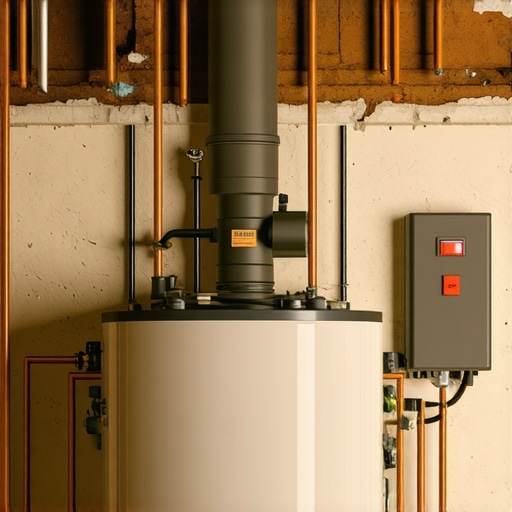
One chilly morning, I reached into the shower and was met with a cold blast instead of warm water. After troubleshooting for hours, I realized my electric water heater kept tripping the high-limit switch again and again. Frustrating? Absolutely. But what was really eye-opening was discovering how common this issue is among homeowners, often tied to simple missteps or overlooked maintenance.
The Hidden Causes Behind Your Water Heater’s Trips
I’ve been there, and let me tell you, understanding why your water heater trips that high-limit switch can feel like decoding a secret language. This switch acts like a safety valve, shutting off the power when the water temperature gets too high or if the unit detects a malfunction. But if it keeps tripping, chances are there’s a small, fixable problem lurking underneath. Today, I promise to walk you through the common causes and how you can troubleshoot them without calling in a pro for every little hiccup. If you’re tired of inconsistent hot water or worrying about potential damage, stay tuned—I’ve got some practical insights up my sleeve.
Is It Really Worth the Fuss? Don’t Waste Time on the Wrong Fix
Early in my journey, I made the mistake of replacing the entire thermostat without checking the heating element or the wiring. That was a costly misstep. As I gained experience, I learned that most problems are simpler than they seem—think clogged vents, faulty heating elements, or sediment buildup. Recognizing these quickly can save you money and frustration. For reliable solutions that deserve your trust, consider [professional installation and repair services](https://discountappliancehub.com/fast-trustworthy-appliance-installation-near-you). This way, you’re ensuring everything works safely and efficiently.
So, if you’ve faced the agonizing cycle of the water heater tripping in the middle of a shower—you’re not alone. Let’s dive into the specific signs and fixes, so you can enjoy consistent hot water again, guilt-free and worry-free.
,
Start with the Basic Checks
Before diving into complex fixes, ensure your power supply is stable. Turn off the breaker for your water heater and inspect the wiring for any obvious damage, such as frayed wires or burn marks. If you notice any issues, replacing damaged wiring is crucial—this is a common cause of high-limit switch trips and can be handled safely if you’re comfortable with electrical work. For more guidance on safe installation practices, visit reliable appliance installation tips.
Test and Replace the Thermostat
Next, use a multimeter to verify if the thermostat is functioning properly. Disconnect the wires from the thermostat, set your multimeter to ohms, and check for continuity. If there’s no continuity, replace the thermostat. Remember, a faulty thermostat falsely triggers the high-limit switch, causing repeated trips. I learned this firsthand when my initial fix was swapping the entire unit, only to realize the thermostat was the culprit—saving me a costly replacement.
Inspect the Heating Elements
Remove the access panels and test the heating elements with a multimeter for continuity. A broken element can cause overheating, prompting the high-limit switch to trip as a safety measure. If defective, replace the heating elements. When I did this, I found a burnt-out coil, and replacing the element restored normal operation, preventing frequent trips. For professional help, consider expert installation services.
Deal with Sediment Buildup
Sediment accumulation at the bottom of the tank insulates the heating element, causing it to overheat. Drain the tank completely and flush with fresh water to eliminate sediment. During my own maintenance, a noticeable amount of sediment clogged the drain valve, and cleaning it out immediately improved water temperature stability. Regular flushing extends your water heater’s lifespan and reduces trip frequency.
Check the Anode Rod and Drain Valve
The anode rod prevents tank corrosion, which can lead to sediment and related issues. Remove and inspect the rod—if it is corroded or depleted, replace it. Also, verify the drain valve is functioning properly; a malfunctioning valve can cause pressure build-up. I replaced a worn anode rod, which was a simple fix that significantly reduced trips and prolonged the heater’s life.
Take Advantage of Professional Servicing
If these steps don’t resolve the issue, it’s wise to contact a trained technician. Professionals have specialized tools to diagnose less obvious problems, like wiring faults or control board issues. For a fast and reliable repair, explore same-day service options to get your hot water flowing again without delay.
Remember, safety is paramount. If you’re unsure at any point, call in licensed experts to handle electrical components. Proper troubleshooting not only restores your hot water but also ensures safety and long-term efficiency of your water heater.Many homeowners believe that sticking to the standard advice—like always choosing the cheapest repair service or relying solely on manufacturer-approved parts—ensures smooth appliance operation. However, these misconceptions can lead to costly mistakes and subpar outcomes. For example, there’s a common myth that all service warranties are equal, but in reality, some warranties have exclusions that can surprise even the most cautious consumers.
Are Free Estimates Actually Saving You Money or Costing You More?
While free estimates sound appealing, in my experience, they can sometimes be a trap. Techs offering complimentary quotes may lack the experience needed for complex issues, leading to incomplete repairs or unnecessary parts replacements. According to appliance repair experts, choosing certified professionals with transparent pricing provides long-term savings and peace of mind.
Another nuanced point many overlook is the importance of verifying technician credentials and understanding the scope of warranty coverage. A technician might promise quick fixes, but if they use generic parts or cut corners, your appliance may soon malfunction again, voiding any warranty benefits. Always ask about parts quality and warranty policies before proceeding—this knowledge can save you from repeat repairs. Don’t fall into the trap of assuming that same-day service will always be the best option; sometimes, rushing the repair process can compromise safety or quality. Proper diagnostics take time, and a reputable service provider prioritizes accuracy over speed. For a detailed breakdown of what to expect from quick and reliable repairs, see this expert guide. Additionally, understanding the fine print of warranties—like what is covered regarding parts, labor, and post-repair support—is essential. Many consumers miss out on coverage simply because they didn’t read the warranty’s limitations carefully. To maximize your warranty benefits during emergencies, consult this comprehensive resource.
Let’s dig deeper into the nuances often missed, like the difference between local, independent repair shops and large franchise services. While the latter might advertise quick turnaround times, they sometimes rely heavily on generic parts and have less personalized customer support. Conversely, small, trustworthy local technicians often provide tailored solutions and build lasting trust—qualities that go beyond slogans. Never hesitate to ask for proof of certification and past reviews; it helps ensure you’re working with professionals who truly understand the intricate details of appliance repair. Want to avoid common pitfalls? Reach out through this contact page for expert advice tailored to your specific needs. Remember, a well-informed homeowner can navigate repairs more confidently, saving money and extending the life of appliances. Have you ever fallen into this trap? Let me know in the comments.
Keeping It Working: Tools I Recommend for Lasting Appliance Performance
Maintaining appliances effectively over the years requires not just knowledge but the right set of tools tailored to each task. I personally rely on a few precise instruments that have proven invaluable in troubleshooting and routine maintenance, ensuring my appliances stay in top shape. One such tool is a high-quality digital multimeter, specifically the Fluke 117. I use this multimeter daily because of its reliability and ease of use in testing heating elements, thermostats, and electrical connections—crucial components often overlooked during repairs. Pairing it with a decent nut driver set allows me to access tight spaces without stripping screws, especially when replacing heating elements or inspecting wiring. For flushing sediment build-up, a durable siphon pump with a clear hose helps me drain tanks quickly and observe flow, which I find essential in confirming the effectiveness of the cleaning process.
How do I maintain appliances over time? A proactive approach is key. Regularly scheduled inspections—say, quarterly checks of water heaters or HVAC filters—prevent minor issues from escalating. I also recommend investing in a flexible, reinforced drain auger; this saves a trip to the plumber when dealing with clogs in washing machine hoses or dishwasher drains. The secret to long-term success lies in understanding each appliance’s peculiarities and pairing that knowledge with the correct tools. As technology advances, I predict that diagnostic apps linked via Bluetooth to your smart devices will become standard, offering real-time tips and alerts before breakdowns occur. Leveraging smart diagnostics might be a game-changer for homeowners eager to stay ahead.What’s the best way to keep those tools sharp and ready?
Regular maintenance of your tools—cleaning, calibrating, and storing them properly—extends their lifespan, saving you money and frustration. Keep your multimeter calibrated annually and store your screwdrivers in a toolbox away from humidity. Being organized means you spend less time searching and more time fixing. For heavier tasks like installing appliances or performing complex repairs, I recommend scheduling professional services through trusted providers to handle tricky jobs safely. If you want expert guidance on sustainable appliance care, check out this resource. Don’t hesitate to try out the advanced diagnostic methods mentioned—I find that a combination of proper tools and routine checks can dramatically extend your appliance lifespan, helping you avoid costly replacements and emergency repairs.
What I Wish I Knew When I Started Fixing Water Heaters
One of the toughest lessons I learned is that not every trip switch issue is caused by a major fault. Sometimes, a simple sediment buildup or a worn thermostat is the culprit, and addressing these can save you time and money. I also realized that trusting quick fixes without proper diagnosis can lead to repeated failures, emphasizing the importance of patience and thorough troubleshooting.
Another insight was the value of building relationships with reliable professionals. While DIY can be satisfying, knowing when to call a trusted technician—especially for complex wiring or control board issues—ensures safety and longevity of your water heater. Lastly, understanding your system’s components deeply enhances your confidence in maintaining or troubleshooting future problems.
Tools and Resources That Changed My Repair Game
My go-to tool is the **Fluke 117 Multimeter**—it provides accurate readings essential for testing thermostats and heating elements confidently. Pairing it with a **magnetic nut driver set** helps me access tight spaces without hassle, making repairs smoother. For sediment issues, a **reliable siphon pump with clear tubing** makes draining tanks straightforward and helps me confirm the effectiveness of flushing sessions.
Beyond tools, I rely on resources like the **Expert Guide to Appliance Repair and Installation Today** to stay updated on best practices. Websites offering detailed troubleshooting steps and professional advice serve as a safety net when I encounter tricky issues. Keeping a digital record of maintenance schedules and repair logs also ensures my water heater stays in top shape longer.
Your Next Step in Water Heater Mastery
Remember, tackling water heater issues isn’t about rushing but about precision and understanding. Regular inspections, proper troubleshooting, and knowing when to seek professional help are keys to avoiding emergencies and extending your appliance’s life. The future of appliance care is leaning towards smarter, more connected systems—so staying educated and proactive now sets you up for success.
Have you ever faced a challenge with your water heater that turned into a valuable lesson? Share your story below—I’d love to hear how you tackled it!