
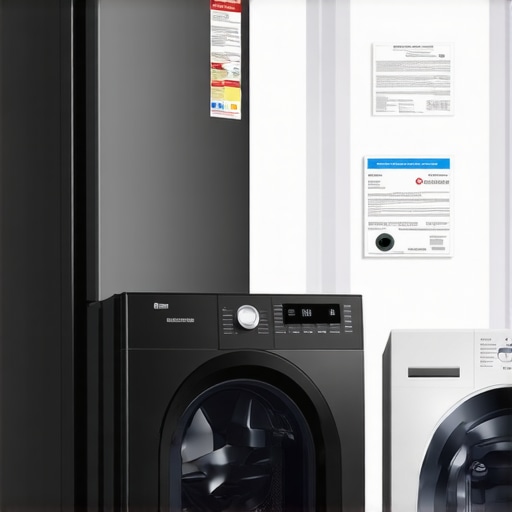
I’ll never forget the moment I watched my brand-new dishwasher flood my kitchen on its very first cycle. It was a rookie mistake I made early on—skipping the registration process. That day, I realized I had missed out on a crucial step that could have saved me hours of messy cleanup and a hefty repair bill. Since then, I’ve become an advocate for registering appliances right away because it can profoundly impact your warranty coverage, repair convenience, and even the lifespan of your devices.
The Hidden Power of Registering Your Appliances Before First Use
Registering your appliances might seem like a mundane, optional step—something you do just to get the paperwork out of the way. But in reality, it’s a simple action with significant benefits. When you register, you unlock faster service, better warranty protection, and peace of mind knowing you’re protected if something goes wrong. Early registration also helps manufacturers keep track of product recalls and safety notices that could impact you. Don’t underestimate how a small step taken during your initial setup can save you money and stress down the line. Curious how this works? Let’s dive deeper into why registration isn’t just a formality but a smart move for every homeowner.
Will Registering Your Appliance Really Make a Difference?
As someone who’s learned the hard way, I can tell you that overlooking this step can lead to complications. Early on, I mistakenly thought that warranties only covered major repairs, not realizing that registered products often get prioritized for quick, same-day service. Plus, many warranties require registration within a certain timeframe to remain valid, which I missed with my first dishwasher. That mistake cost me a significant amount of money when an issue arose months later. The good news is, you can avoid this pain point by registering promptly. Manufacturers and repair services increasingly recognize the value of timely registration—you can see how they support this in their policies. For example, experts recommend registering appliances as soon as possible to ensure you’re covered during emergencies, like unexpected breakdowns. Want to learn how to make the most of your warranty? Check out this helpful guide on [maximizing your appliance warranty during emergency repairs](https://discountappliancehub.com/maximize-your-appliance-warranty-during-emergency-repairs).
Start with the Manufacturer’s Website or Product Card
Immediately after unboxing your new appliance, locate the registration card or visit the manufacturer’s official website. Using the card, enter the serial number, model details, and purchase information. This step is akin to registering a new device at a post office—crucial for receiving timely support later. Early registration ensures your warranty start date is accurate, preventing disputes if a repair becomes necessary.
Gather Necessary Information and Documents
Before beginning, prepare proof of purchase, serial numbers, and your contact details. Having these at hand speeds up the process, avoiding delays or incomplete registration. Think of it as assembling ingredients before cooking; preparation makes the execution seamless. If you forget your proof of purchase, some manufacturers accept digital receipts or online orders—verify beforehand.
Enter Details Accurately During Registration
Fill in your information carefully. Mistakes can be costly, like entering incorrect addresses that delay service. Double-check serial numbers and model codes, which are often found on the appliance itself or the user manual. Consider this step like calibrating your GPS before a journey—to ensure you reach your destination without errors. Many sites also allow you to create an account, streamlining future updates or claims.
Leverage Automated Reminders and Confirmations
Post-registration, opt-in for email or SMS reminders about warranty expiration or maintenance tips. Confirm your registration by checking for a confirmation email. This email acts like a receipt—a proof that your appliance is now registered, which can be invaluable during warranty claims. If you don’t receive confirmation within 24 hours, contact customer support through the link here to verify registration status.
Document and Store Registration Details Safely
Save digital copies of registration confirmation, receipts, and manuals in a dedicated folder on your device or cloud storage. This acts as your insurance vault—ready to be accessed when needed. Keep these documents updated if you relocate or change ownership. Proper documentation simplifies troubleshooting and supports claims, avoiding frustrating delays akin to having a well-packed toolbox before starting a DIY project.
Use Registration to Maximize Warranty Benefits
Remember, your initial registration is just the first step. Stay proactive by registering repair providers or scheduling maintenance through the manufacturer’s platform. This process is like setting appointments in your calendar—ensuring you don’t forget or miss essential service window. For more strategies on leveraging your warranty, see this guide. By proactively managing your appliance registration, you set yourself up for smoother repairs and better support when things go wrong.
Many homeowners believe that once an appliance is installed correctly, their responsibilities and potential pitfalls are minimal, but in reality, there are subtle nuances that can significantly affect performance and warranty coverage. For instance, a frequent misconception is that a professional installation guarantees flawless operation. While professional installers follow best practices, missteps can occur, especially if specific manufacturer instructions are overlooked. For example, improper leveling of a washing machine can lead to increased vibration, noise, and even early mechanical failure, which might not be covered under warranty unless proven to be installation-related. Experts emphasize that verifying proper leveling and drain connections is crucial; neglecting this can cause long-term damage, despite a seemingly correct initial setup.
Another often overlooked detail is the importance of understanding the proper climate conditions and power supply specifications for certain appliances. For example, installing a high-efficiency heat pump system without considering local temperature ranges or wiring requirements can void warranty claims if the system underperforms or sustains damage. According to appliance repair specialists, many damages attributed to faulty units are actually caused by overlooked environmental factors or incorrect electrical setups.
Common myths persist around repair response times and warranty benefits. Many believe that any repair service billed as “same-day” is guaranteed regardless of complexity, but in my experience, complex diagnostics or parts procurement can extend repair times. Relying solely on quick fixes without proper troubleshooting might lead to recurring problems and warranty issues. External studies, such as the one by the Home Appliance Repair Association, highlight that proper diagnostic assessments are essential before proceeding with repairs to avoid unnecessary costs or warranty denials.
Furthermore, advanced users should be aware of the trap of using third-party parts. While they can be cheaper, many warranties explicitly exclude coverage if non-original parts are used, potentially leading to increased costs if a repair fails prematurely. Manufacturers often state that unauthorized parts compromise safety and function, undermining warranty protection. This emphasizes the importance of verifying part compatibility and warranty conditions, which are detailed in the relevant policy documents.
For those seeking peace of mind, proactive registration and understanding warranty coverage intricacies are critical. For example, some warranties require timely registration for coverage activation, and failing to do so might prevent claims during emergencies. Manufacturers also often have specific requirements for maintenance, cleaning, and installation that, if overlooked, can void warranty protections.
Make sure to check expert guides like [this one](https://discountappliancehub.com/expert-guide-to-appliance-repair-and-installation-today) for comprehensive tips. Remember, even subtle missteps can lead to costly repairs or warranty disputes down the line. Have you ever fallen into this trap? Let me know in the comments.
Tools I Rely On to Keep Appliances in Top Shape
Over the years, I’ve found that investing in the right tools makes all the difference when maintaining appliances. A trusted digital multimeter allows me to quickly diagnose electrical issues, saving time and preventing unnecessary parts replacement. I personally prefer the Fluke 117 because of its accuracy and durability, which I use regularly to verify voltage levels and troubleshoot defective switches or sensors. For cleaning, a specialized vent cleaning brush helps me remove stubborn lint and debris from dryer vents—crucial in preventing fires and ensuring efficient operation. Employing a reliable leak detection kit has also been invaluable; it pinpoints tiny leaks in refrigeration lines that could otherwise lead to costly repairs if left unchecked.
On software, I swear by appliance-specific diagnostic apps provided by manufacturers. These apps often contain troubleshooting guides that are incredibly detailed, helping me identify issues without unnecessary guesswork. Modern smart appliances even allow remote diagnostics, which I leverage to assess problems before scheduling on-site repairs, saving time for both parties. Staying updated with firmware ensures appliances run optimally and incorporate the latest energy-saving features, extending their lifespan.
Why Long-Term Upkeep Is Changing the Repair Game
The landscape of appliance maintenance is shifting towards predictive and preventive approaches fueled by technology. Regularly scheduled maintenance, guided by diagnostic tools, can prevent unexpected breakdowns and costly repairs. For instance, routine cleaning of filters and vents, combined with software updates, optimizes efficiency and durability. Experts predict that in the coming years, AI-driven diagnostics will become standard, enabling appliances to alert homeowners of potential problems well before they manifest truly, much like a health check-up keeps us healthy. Embracing these advances not only conserves resources but also enhances the overall user experience.
How do I maintain my appliances over time?
Consistently using the right tools and following manufacturer guidelines is key. For example, inspecting and cleaning your dryer vent periodically with a dedicated brush can prevent dangerous lint buildup, reducing fire risks and maintaining optimal drying performance. Additionally, scheduling routine professional inspections—especially for complex systems like HVAC or high-end refrigerators—can catch issues early. Many experts recommend at least annual check-ups, which may involve comprehensive diagnostics, such as refrigerant level tests or electrical system assessments, detailed in guides like this comprehensive repair guide. Remember, early intervention often costs less and extends appliance lifespan significantly. So, I suggest you try implementing a monthly maintenance checklist using specialized tools—it’s a small effort that pays off long-term.
Over the years, my journey through appliance repair and maintenance has taught me that paying attention to the details can transform your experience from stressful to seamless. One of the most eye-opening lessons was realizing that early registration of appliances isn’t just bureaucratic formality—it’s a game-changer. It ensures prompt service, valid warranties, and a body of support that’s there when you need it most. Minor missteps, like neglecting proper installation or ignoring manufacturer guidelines, can quietly undermine your appliance’s lifespan and warranty protections. But understanding these nuances allows you to be proactive, saving money and avoiding frustration. Remember, a well-maintained appliance isn’t just about avoiding breakdowns; it’s about enjoying consistent performance and peace of mind. Staying informed, equipped with the right tools, and aware of common pitfalls makes all the difference in becoming a confident homeowner who masters appliance care rather than merely reacts to issues.