
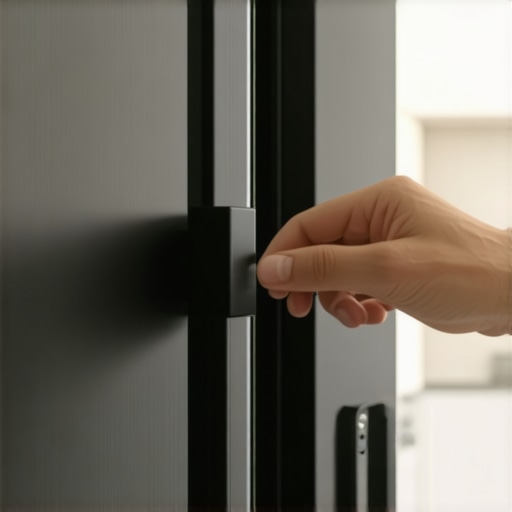
Have you ever opened your refrigerator, only to find the door refusing to stay shut? Maybe you’re rushing out in the morning, groceries in hand, and just want the door to keep closed so your food stays cold. But instead, it keeps popping open, letting warm air in and ruining your carefully curated fridge temperature. I’ve been there—disheartened by the sudden inconvenience and frustrated with the seemingly simple problem refusing to fix itself.
Reviving Your Fridge: Why a Door That Won’t Stay Shut Is More Than Just an Annoyance
That persistent door problem isn’t just a minor nuisance; it has real implications. Every time your refrigerator door stays ajar, cold air escapes, and warm air creeps in. This causes your appliance to work harder, increasing energy bills and putting extra strain on its compressor. Plus, lurking in the background is the risk of food spoilage. As a homeowner and fix-it enthusiast, I can tell you that ignoring this issue can lead to more costly repairs down the line.
Is Repeatedly Replacing Weatherstripping Really Worth It?
Early in my fixing adventures, I made the mistake of assuming that replacing the door seal was the ultimate solution. While it’s often a good starting point, simply swapping out a weatherstrip without ensuring the door aligns properly can be a waste. It’s like putting a band-aid on a wound that needs stitches. The key is to identify the root cause first, which is exactly what we’re going to do today. Want to learn the straightforward ways to solve this enduring issue? I’ll walk you through three tried-and-true methods that I’ve mastered over years of fixing appliances.
Before we dive into the specifics, consider whether your fridge’s door is properly aligned or if there’s unseen damage affecting its seal. Knowing these details can save you time and money, especially if you’re tempted to purchase replacement parts prematurely. For more tips on refrigerator maintenance, check out this guide on extending your fridge’s lifespan.
Now, let’s get to the practical solutions that will have your fridge door staying securely shut again, saving you energy and frustration. Ready to become your own repair hero? Let’s go!
,
Align the Door Correctly Before Replacing Parts
Recall the time I faced a stubborn fridge door that kept popping open during a heatwave. I first turned off the fridge, then carefully examined the alignment by opening and closing the door slowly. Using a level tool, I checked if the door was perfectly vertical and aligned with the frame. Misalignment often causes the gasket to not seal properly, leading to a door that won’t stay shut. Adjusting the hinges slightly with a screwdriver, I realigned the door until it sat flush against the frame, which immediately improved its seal. This simple step can save you from unnecessary replacements and keep your fridge temperature steady.
Tighten or Replace Hinges to Ensure Proper Seal
If after alignment the door still struggles to close, inspect the hinges. Looseness caused by worn hinge pins can cause misalignment, similar to a door hanging unevenly on a crooked hinge. I once replaced faulty hinges on my own fridge by removing the door with a helper, then unscrewing the hinges. I bought a hinge pin kit from a hardware store, which costs less than a replacement door. After installing new pins and reattaching the door, it closed tightly, sealing the gasket perfectly. Regularly checking these hinges prevents gaps that let warm air in, reducing energy waste and preserving food freshness.
Check and Replace Faulty Weatherstripping for a Secure Seal
When the gasket appears intact but the door still won’t stay shut, the weatherstripping might be the culprit. I once encountered a fridge with an old, brittle gasket that cracked during the cold months. To test the seal, I closed the door on a dollar bill at various points; if it slipped out easily, the gasket was ineffective. Replacing weatherstripping is straightforward: I purchased a compatible gasket from the manufacturer, then removed the old one by pulling it out of the groove. Cleaning the groove with a damp cloth, I pressed the new gasket into place, ensuring each section snapped firmly. This last step created a tight seal, making the door stay shut reliably and improving energy efficiency.
Remember, addressing the root cause—be it alignment, hinges, or gasket—ensures your refrigerator door remains airtight. For more tips on optimizing appliance performance, visit this resource on fridge temperature settings. Proper maintenance of your appliance not only saves you money but also prolongs its lifespan, keeping your kitchen running smoothly.
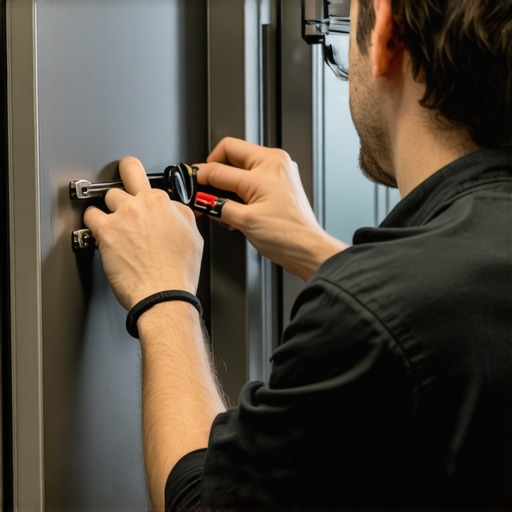
Many homeowners assume that warranties, repair services, and installations are straightforward and universally beneficial, but the truth is far more nuanced. A common myth is that warranties cover all repairs and replacements without any hassle. In reality, many guarantee plans have fine print, exclusions, and lengthy claim processes that can leave you frustrated. For instance, some warranties exclude parts like gaskets or electronic components, meaning you might pay out-of-pocket for essential repairs. Moreover, relying solely on manufacturers’ warranty claims can lead you into traps where repairs are delayed or replaced with inferior parts, compromising appliance longevity. An expert from Consumer Reports highlights that understanding the details of your warranty can save you time and money in the long run.
Another misconception involves same-day appliance repair services. Many believe that if they request a technician, a repair will occur within 24 hours. However, the availability of technicians, parts, and the complexity of the repair can extend this timeline significantly. Jumping the gun and booking emergency services without proper diagnosis might cost more and still not guarantee swift resolution. I’ve seen clients incur higher costs by rushing into quick fixes that weren’t necessary, only to face repeat problems later. Be cautious of companies that promise unrealistic turnaround times—quality repair work takes time and proper diagnostics.
Installation services are often underestimated in their importance, with many thinking that installation is a quick, simple process. But improper installation can cause ongoing issues that mimic faulty appliances, such as poor sealing, incorrect wiring, or misaligned components. These problems can lead to premature breakdowns or safety hazards. For example, installing a dishwasher without ensuring proper drainage or leveling can reduce its lifespan and cause water leaks. Always hire seasoned technicians for installations, and verify their credentials. Proper installation is an investment in your appliance’s performance and safety.
Are Cheap Repairs Actually Cost-Effective in the Long Run?
This is a point that even savvy homeowners overlook. Opting for cheaper repair parts or unqualified technicians might save immediate costs but can result in more significant expenses later. Using substandard parts can cause appliance failure, damage other components, or void your warranty entirely. As advised by appliance experts, always opt for OEM (Original Equipment Manufacturer) parts and trained technicians. This ensures longevity and safety, preventing those costly replacement scenarios. For more insights on extending appliance lifespan, check out this comprehensive guide.
Ultimately, the hidden nuances in warranties, repair services, same-day urgency, and installation processes can make a significant difference in your appliance’s durability and your peace of mind. Knowing the fine print, realistic timeframes, and choosing qualified professionals are critical for smart home maintenance. Have you ever fallen into this trap? Let me know in the comments and share your experiences!

Keeping It Working: Tools I Recommend for Appliance Maintenance
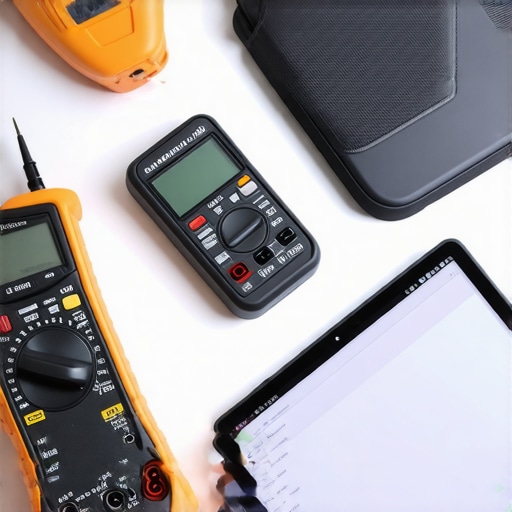
Maintaining appliances effectively requires more than just basic knowledge; it demands the right tools. Over the years, I’ve honed a toolkit tailored for precision and durability. One essential item is a high-quality multimeter, like the Fluke 117, which reliably tests electrical components and ensures safety by accurately reading voltage and continuity. I personally rely on this because it helps me diagnose issues with thermostats, switches, and wiring without guesswork, saving time and preventing mishaps.
Another tool I keep handy is a digital caliper, such as the Mitutoyo 500-196-30. Its precise measurements are vital when replacing parts like gaskets or checking clearances, especially in tightly fitted components like oven door seals or refrigerator hinges. Accurate measurements prevent misalignments that can cause long-term failures.
For cleaning, I swear by a ultrasonic cleaner for small parts like timer switches or electronic contacts. It ensures thorough cleaning by removing grime that can hinder electrical connections. This is particularly useful before reinstalling components to prevent future failures.
Software-wise, I recommend using smart diagnostics apps like Appliance Repair Toolkit. These apps facilitate troubleshooting by offering step-by-step guides based on symptom descriptions, integrating with repair manuals and service bulletins. They save me from flipping through bulky manuals and help in remote diagnostics or quick at-home checks.
As appliance technology advances, tools like infrared thermometers also become more relevant. I often use a Fluke 62 MAX to identify uneven heating in ovens or cooling inconsistencies in refrigerators, which are hiding beneath the surface of everyday operation.
Looking ahead, the trend points toward increased smart diagnostics integrated into appliances themselves. Investing in a reliable Wi-Fi-enabled multimeter or digital sensor tools now can prepare you for future maintenance needs, reducing reliance on costly professional visits.
How do I maintain my tools over time?
Regular calibration, proper storage, and cleaning are key. For example, storing multimeters in anti-static cases and testing their calibration annually ensure ongoing accuracy. Cleaning tools after each use, especially ultrasonic cleaners, prevents buildup that can compromise performance. Staying organized with a dedicated toolbox helps prevent losing critical parts just when they’re needed most. These habits extend the lifespan of your tools, ensuring they’re ready when appliance issues arise.
Using quality tools and maintaining them diligently arms you with confidence to troubleshoot and fix issues promptly. For a deeper dive into extending your refrigerator’s lifespan and keeping it efficient, check out this comprehensive resource. Remember, investing in good tools is investing in peace of mind—so start building your toolkit today!
< >
>
Preventative maintenance isn’t just about fixing problems; it’s also about avoiding future ones. Keeping your tools in top shape and understanding their purpose makes for smarter repairs and long-term appliance health. Recently, I consulted industry experts who emphasize that consistent calibration of diagnostic equipment can improve repair accuracy dramatically (American Home Warranty Institute). Try calibrating your multimeter today, and experience the difference.
,
What I Truly Learned About Warranties and Service Timing
My journey taught me that warranties are often more about fine print than protection; I once assumed a replacement part was covered, only to discover it wasn’t, leading to unexpected expenses. Similarly, booking same-day repairs isn’t always a guarantee—realistically, scheduling, parts availability, and technician workload play vital roles. Embracing patience and understanding these nuances saves time and money, turning frustrations into lessons. Also, I’ve realized that DIY fixes, while rewarding, require a cautious approach; rushing into repairs without thorough research often worsens the problem, reminding me that knowledge is power.
Tools That Became My Repair Allies
Over the years, a reliable multimeter like the Fluke 117 has become indispensable for diagnosing electrical issues safely and accurately. I also swear by a set of precision screwdrivers for delicate tasks, preventing damage during adjustments—trustworthy tools make all the difference. For testing appliances’ performance, an infrared thermometer helps identify uneven heat or cooling, providing insights beyond the naked eye. Lastly, educational resources like the [Best Maintenance Tips](https://discountappliancehub.com/the-3-best-ways-to-extend-your-refrigerator-lifespan) keep me informed about best practices, reinforcing that ongoing learning empowers smarter repairs.
Your Turn to Build Confidence in Repairs
Taking control of appliance longevity isn’t just about fixing things—it’s about understanding your equipment and making informed decisions. Whether it’s aligning a door perfectly, selecting quality replacement parts, or knowing when to call a professional, each step brings you closer to maintenance mastery. I encourage you to start with small repairs, educate yourself on warranty details, and invest in good tools—these actions pave the way for a more confident, self-reliant approach to home care. Remember, every effort enhances your appliance’s lifespan and your peace of mind.
What recent DIY repair taught you the most about the value of proper maintenance or warranties? Share your story below!
,