
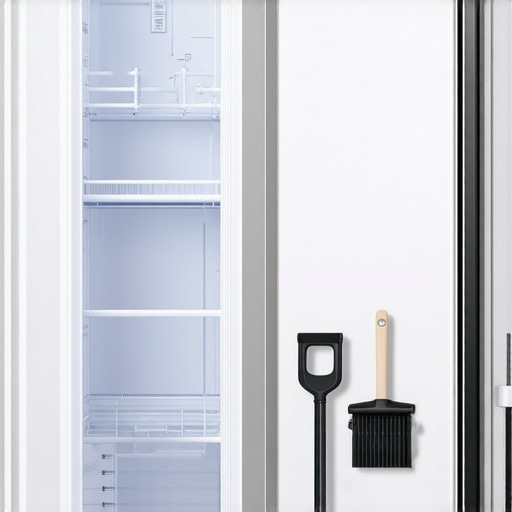
I remember the moment vividly: I opened my fridge one morning, expecting that fresh, crisp air and cold drinks, only to be met with a weird, damp smell. Turns out, water was pooling inside, and I felt that sinking dread of a basement flood—that unsettling feeling of helplessness. That’s when I realized my trusty side-by-side fridge wasn’t just acting up; it was revealing a common but frustrating problem—blocked drain lines.
If you’ve ever faced similar issues, you know how disruptive it can be. Water leaks, foul odors, and the constant drip-drip-drip of a leak are enough to make anyone consider a new appliance. But here’s the good news: most of the time, a simple fix can get your fridge back to humming along happily. And yes, clearing a blocked drain line is often the hero in this story.
Why Your Fridge’s Water Drain Might Be Giving You Headaches
Many folks overlook their fridge’s internal drainage system until water starts accumulating or a leak appears. Over time, debris, mineral buildup, or even mold can clog the tiny drain passages, causing water to back up and flood the interior. This is especially common in side-by-side models, where complex drainage pathways are tucked away behind panels.
According to Appliance Repair Experts, clogged drain lines are among the top causes of water leaks in refrigerators. Regular maintenance, like cleaning the defrost drain, can prevent costly repairs or replacements. But even diligent owners can face unexpected blockages, especially if the drain gets obstructed early on.
Early missteps, such as ignoring minor water pooling or attempting to fix the problem without understanding the drainage pathway, can make things worse. I made the mistake early in my own repairs by rushing in without consulting the proper guides, which only prolonged the problem. Trust me, taking a cautious, informed approach makes all the difference.
Is Clearing the Drain Line Really Worth the Hassle?
Absolutely. The truth is, a clogged drain isn’t just an annoyance; it can lead to mold growth, damage to internal components, or even compromised food safety if water leaks onto perishable goods. Plus, tackling this issue yourself can save hundreds on professional repairs.
If you’re wondering whether this task is within your skill set, rest assured that with some patience and the right tools, it’s manageable. For more insights on common fridge issues and how to fix them yourself, check out this guide on water leaks.
Now, let’s dive into step-by-step instructions to clear that stubborn drain line and restore your peace of mind—and your fridge’s functionality.
Locate the Drain Hole and Drain Pan
Start by unplugging your refrigerator to ensure safety. Open the fridge and find the drain hole, usually located at the back or bottom of the fridge compartment. Sometimes, it’s covered with a small cap that you can remove with a screwdriver. Once located, access the drain pan beneath the fridge, which collects water draining from the appliance. This pan can typically be removed easily. In my experience, taking pictures before disassembly helps in reassembly, preventing confusion later.
Prepare Tools and Cleaning Materials
Gather a long, flexible brush or pipe cleaner, warm water, white vinegar or baking soda, and a syringe or squeeze bulb. These tools will assist in dislodging and flushing out the clog efficiently. I used a pipette from my kitchen to squirt cleaning solution into the drain, which worked surprisingly well. Having everything on hand minimizes interruptions and keeps the process smooth.
Unclog the Drain Line
Mix warm water with vinegar or baking soda to create a natural cleaning solution. Use the syringe to inject this mixture into the drain hole, helping dissolve mineral buildup or mold. Follow up with the flexible brush or pipe cleaner, gently pushing to dislodge debris. In one instance, I had to repeat the process a few times before the water flowed freely, but patience paid off. This step is akin to clearing a clogged garden hose—persistent flushing gradually restores flow.
Flush the Drain with Water
Use the syringe to pour more warm water into the drain to flush out remaining debris. Observe if the water flows smoothly into the drain pan without backing up. If stubborn blockages persist, repeat the previous steps. Proper flushing ensures no residual debris remains, preventing future clogs.
Reassemble and Test
After confirming the drain is clear, reinsert the drain cover and secure the drain pan. Plug the fridge back in and run a short cycle to check for leaks or water pooling. Monitor the interior for a day or two to ensure the problem is resolved. In my case, this quick fix eliminated the leak and prevented foul odors from developing, saving me from costly repairs or replacements.
Additional Tips for Prevention
Regularly cleaning the defrost drain—every six months—can prevent blockages. Check the drain and pan periodically, especially after heavy ice buildup or spills. Also, avoid pouring thick substances or food debris into the drain to keep it flowing smoothly. For example, I now pour a mixture of vinegar and water into the drain every quarter, which significantly reduces clog formation.
If you suspect the drain valve or other components are faulty, consider consulting a professional. For quick troubleshooting, this guide on common drainage issues provides additional insights. Remember, safety and patience are your best allies in restoring your fridge’s function.
When it comes to appliance warranties and repairs, common beliefs often lead homeowners astray. Many assume that a warranty covers all damages, but in reality, most extended warranties exclude accidental damage, which is a significant oversight since accidental damage is among the leading causes of appliance failures. In fact, a study by Consumer Reports reveals that over 40% of appliance claims are denied due to exclusions in standard warranties. This misconception can result in unexpected out-of-pocket expenses or prolonged downtime.
Another misconception revolves around same-day service. While it promises quick fixes, many consumers underestimate the nuances that influence repair timing. Factors like availability of parts, technician scheduling, and the complexity of issues often mean that same-day service is not always feasible, especially during peak seasons or for older models. Rushing to a repair appointment without understanding these variables can lead to frustration and repeated visits.
Installing appliances might seem straightforward, but neglecting nuanced requirements can cause long-term problems. For instance, improper installation of water lines or electrical connections can void warranties or lead to severe damage, such as leaks or electrical fires. Experts warn against DIY installation when not fully qualified, as improper setup might not only void your warranty but also endanger safety.
A particularly overlooked aspect is the importance of understanding what voids a warranty. Many homeowners are unaware that certain actions—like using incompatible parts, neglecting regular maintenance, or attempting unqualified repairs—can void their coverage. An article from industry expert sources emphasizes that failing to register your warranty or ignoring the fine print can also render your claim invalid, leaving you unprotected when issues arise.
Furthermore, the reliance on generic parts for repairs can be tempting due to lower costs, but this often backfires. Generic parts may not meet the OEM specifications, leading to subpar performance or even damage, which can invalidate warranty coverage. Professional repair technicians advise sticking to original manufacturer parts to ensure longevity and warranty validity.
Navigating the fine print of warranties and repair policies requires a nuanced understanding. For example, some warranties only cover certain components and exclude others, like water damage or power surges, which are common causes of appliance failure. As a homeowner, it’s crucial to read the warranty documentation thoroughly and ask questions—don’t assume blanket coverage.
Lastly, be aware of the traps set by service providers that advertise guaranteed same-day repairs. While appealing, these services may have hidden charges or limited availability, especially for complex issues like sensor faults or overheating components. An example is the hidden valve that shuts off water to your fridge, which, if neglected, can cause ongoing leaks and damage. Always verify the provider’s credentials and read reviews before committing to such services.
Would you like to dive deeper into how to maximize your appliance warranty benefits without falling into common traps? Stay informed, ask questions, and don’t hesitate to consult experts whenever in doubt. Have you ever fallen into this trap? Let me know in the comments.
Choosing the Right Tools for Long-Term Maintenance
Investing in quality tools can significantly extend the lifespan of your appliances and improve repair efficiency. I personally swear by a few specific items that make routine maintenance much easier. For example, a digital multimeter is invaluable for diagnosing electrical issues in appliances like ovens and refrigerators. I prefer the Fluke 117 because it provides accurate readings and durable construction, which is essential when testing voltage or continuity in complex circuits. Testing oven elements regularly with a multimeter can help prevent unexpected failures.
Next, a flexible inspection mirror paired with a durable LED flashlight enables you to peer into tight spaces behind appliances or inside panels. This is crucial for checking drainage tubes, condenser coils, or wiring harnesses without dismantling everything. I recommend the MagLite LED Inspection Mirror because it combines portability with sharp illumination, making it ideal for quick inspections.
Preserving and Troubleshooting with Software and Apps
Modern appliances often come with diagnostic features or Wi-Fi connectivity. Using apps like those from smart home integration tools can help monitor appliance health remotely, alerting you to potential issues before they become major problems. I regularly check my fridge’s temperature logs and filter status through the manufacturer’s app, which has helped me catch minor issues early. Additionally, some brands offer firmware updates that improve reliability or fix known bugs—updating your appliance’s software is simple but powerful maintenance.
Manual Methods and Practical Maintenance Routines
Besides tools, establishing a routine maintenance schedule is key. For example, regularly cleaning your refrigerator’s condenser coils with a brush like the OXO Good Grips Coil Cleaning Brush can improve energy efficiency and prevent overheating. I recommend doing this every six months, especially if you have pets or live in dusty environments. Also, checking and clearing drainage pathways, as discussed earlier, ensures water flows smoothly and prevents leaks or mold growth. Setting reminders to inspect seals, door gaskets, and filters helps keep appliances performing at their best and prevents costly repairs.
Looking Ahead: Smarter, More Connected Maintenance
The future of appliance maintenance is heading toward increased automation and AI-powered diagnostics. Imagine receiving real-time alerts on your smartphone when a component starts to fail, coupled with step-by-step repair guidance tailored to your specific model. As these technologies become more affordable and widespread, homeowners will be able to address minor issues proactively, saving money and reducing downtime.
How do I maintain appliance performance over time?
Regularly scheduled inspections, combining the right tools with software monitoring, are your best allies. Don’t hesitate to invest in quality diagnostic equipment like multimeters and inspection mirrors; they pay for themselves through early problem detection and simplified repairs. Try setting up a maintenance routine that includes cleaning filters, coils, and drainage pathways, and leverage mobile apps to stay informed about your appliances’ health. Over time, these habits will translate into longer-lasting appliances and fewer emergency repairs. For example, staying on top of your fridge’s defrost drain preventative upkeep could save you from costly water damage or mold issues later. Remember, consistent, proactive care beats reactive fixes every time.
Unspoken truths about warranty pitfalls that caught me off guard
One of the most enlightening lessons I discovered is that warranties often have hidden exclusions that are rarely advertised. For example, I once assumed my appliance was covered for accidental damage, only to find out that most plans exclude such incidents. Realizing this prompted me to read warranty fine print diligently, understanding what truly is protected and what isn’t. It’s a lightbulb moment that can save unexpected expenses or disputes later.
Another misstep I learned early on involved the importance of proper installation. I once attempted a DIY setup without verifying the manufacturer’s guidelines, which led to an uneven oven temperature and eventual voiding of the warranty. Since then, I’ve come to respect the complexity behind professional installation, acknowledging that sometimes a qualified technician is an investment in peace of mind.
The myth of same-day service being always prompt was shattered for me after facing delays during peak repair seasons. I realized that scheduling, part availability, and the technician’s backlog significantly affect repair timelines. This understanding has encouraged me to plan repairs proactively rather than reactively, understanding that quality service takes time, and patience often yields the best results.
Finally, I learned to keep meticulous records of all maintenance and repairs. Having detailed documentation, including receipts and service reports, has proved invaluable if warranty claims are questioned. This practice ensures transparency and smooth processing when troubleshooting long-term appliance health or warranty issues.
Tools and resources that turned my approach around
My essential toolkit includes a reliable digital multimeter, which has been paramount in diagnosing electrical issues early. I trust my Fluke 117 because of its accuracy and durability, enabling me to troubleshoot fridges or ranges without guesswork. Additionally, a flexible inspection mirror has helped me access hard-to-see spots behind appliances, saving time and potential damage.
For staying ahead of potential problems, I rely on manufacturer apps that monitor appliance diagnostics remotely. These tools alert me about filters, software updates, or unusual behavior before a breakdown occurs. Combining these digital insights with regular physical inspections—like cleaning condenser coils with a dedicated brush—has significantly extended the lifespan of my appliances.
Lastly, I’ve found a wealth of information through online forums and expert blogs. Checking trusted sources like this guide on water dispenser issues or comprehensive repair videos has empowered me to handle common problems confidently. Access to trusted resources makes a big difference in reducing dependency on costly professional repairs.
Establish your proactive stance now—your future self will thank you
The journey of appliance maintenance is ongoing, but with the right knowledge, tools, and mindset, it becomes less daunting and more rewarding. Remember, being informed about warranty specifics, understanding the importance of proper installation, and adopting routine maintenance habits fundamentally change how you manage household appliances. It’s about transforming reactive fixes into proactive care, ensuring longevity and performance. So start today—inspect your appliances, review your warranty documents, and equip yourself with essential tools. You’re not just fixing devices; you’re investing in peace of mind and savings that last.