
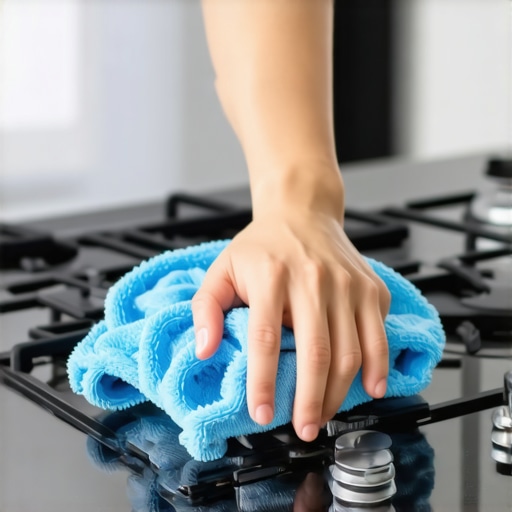
Ever had the frustrating moment when you’re prepped to scrub your glass stove top and end up with tiny, unsightly scratches that make you wince every time you cook? I sure have. One day, I was in a hurry to clean before guests arrived, grabbed the wrong sponge, and this hazy realization kicked in: I might be damaging my beloved shiny surface permanently. That lightbulb moment made me dig into the best methods for gentle, scratch-free cleaning. Today, I promise to share what I’ve learned through trial, error, and plenty of stubborn stains.
Why You Need to Be Careful Cleaning Your Glass Stove Top
First things first—your glass stove top isn’t just a pretty face. It’s a delicate surface that requires a bit of TLC. If you’ve ever scratched it, you know how those tiny marks can turn a sleek kitchen into a constant reminder of your cleaning mishap. Scratches can also trap dirt, making future cleaning more challenging, and in some cases, lead to cracks or chips. But here’s the thing: most scratches are avoidable with the right techniques and tools. Early in my cleaning journey, I used abrasive scouring powders—thinking they would work faster. Turns out, those rough scrubs did more harm than good, which I learned after inspecting my stove top under a bright light and wishing I’d known this earlier. For more tips on appliance care, check out this post.
Common Mistakes That Could Cost You
In my early days, I made the mistake of using rough scrub brushes and harsh chemical cleaners believing they would cut through grease faster. Spoiler alert: they just scratched the surface (literally). Also, I ignored manufacturers’ instructions and thought any cloth would do, but microfiber is your best friend here. A key step I wish I’d known is thoroughly removing loose debris before wiping. These little missteps can quickly turn a simple clean into a costly repair job.
Now that we’ve set the stage, let’s dive into the proven methods to keep your glass stove top shining without risking a scratch. Because, trust me, there’s nothing more satisfying than a spotless, scratch-free surface—ready for your next delicious creation.
,
Choosing the Right Cleaning Tools
Start by selecting a soft microfiber cloth and a non-abrasive cleaner. During my first attempt, I used a rough sponge, which left visible scratches. That mistake taught me the importance of gentle materials. Microfiber traps dust and grease effectively without harming the surface, much like how a soft brush cleans delicate electronics. Remember to avoid steel wool or abrasive powders that can chip or scratch the glass.
Removing Loose Debris Before Wiping
Always sweep away loose crumbs and debris with a soft brush or dry cloth before applying any liquid. I once skipped this step and ended up dragging dirt across my stove, causing tiny scratches. Think of it like sweeping dust off a car before washing—it’s about minimizing abrasive contact. This step prevents particles from scratching the glass during cleaning, ensuring a scratch-free shine every time.
Applying the Right Cleaner
Use a dedicated glass-top stove cleaner or a mixture of baking soda and water. I experimented with harsh chemical cleaners that left streaks and residue, defeating the purpose. A gentle, non-abrasive cleaner dissolves grease without rubbing the surface vigorously. For stubborn stains, make a paste of baking soda and water, spread gently, and let it sit for 15 minutes. Then, wipe with a damp microfiber cloth for a streak-free finish.
Proper Wiping Technique
Wipe in circular motions, applying gentle pressure. I learned this while cleaning after cooking a tomato sauce spill. Rubbing too hard or using linear scrubs caused micro-scratches, dulling the glass over time. Using circular motions distributes pressure evenly and reduces the risk of scratching. Rinse the cloth frequently to avoid re-depositing grime, especially on stubborn spots.
Dealing with Stubborn Stains
For tough stains, apply a baking soda paste and let it sit until the stain loosens. Lightly buff with a non-abrasive pad if necessary. During a tough cleaning, I once pressed too hard with a scrub brush, which left marks. Instead, patience and gentle care are key. After the paste softens the grime, use a clean microfiber cloth to wipe away residual residue, revealing a clear, glossy surface.
Final Polishing and Maintenance
After cleaning, buff the surface with a dry microfiber cloth to restore shine. Regular maintenance, like wiping after every spill, prolongs the pristine look. I keep a small spray bottle of cleaner handy and wipe down the stove daily, preventing build-up that requires aggressive scrubbing. Think of it as giving your stove a regular spa session—gentle, consistent care keeps it looking new.
By following these steps carefully, you can keep your glass stove top spotless without risking scratches. Remember, patience and the right tools make all the difference in maintaining that sleek, reflective surface for years to come.
While many believe that appliance repair is straightforward—simply call a technician and get it fixed—there’s a lot more nuance that most homeowners overlook. A common misconception is that all repair parts are created equal; however, opting for generic or off-brand parts can lead to more frequent repairs and even void warranties. Experts suggest prioritizing OEM parts to ensure longevity and maintain warranty coverage, as discussed in [this detailed article](https://discountappliancehub.com/the-hidden-cost-of-using-generic-parts-for-appliance-repairs). Additionally, many assume that same-day service guarantees immediate repair, but without proper diagnostics, quick turnarounds can be superficial, missing underlying issues that cause recurring problems. Be wary of technicians who rush through repairs without thorough inspection—this can result in future breakdowns and higher costs. A silent trap many fall into is misunderstanding warranties. Buyers often think extended warranties always offer the best protection, yet according to industry insights, they sometimes come with fine print that excludes common repairs or have hefty deductibles, as elaborated [here](https://discountappliancehub.com/the-difference-between-factory-and-extended-warranties-for-homeowners). Have you ever fallen into this trap? Let me know in the comments.
Ever wondered why some repairs seem to fail shortly after maintenance? The answer often lies in the technician’s attention to detail and understanding of appliance nuances. For instance, during installation, neglecting proper water line connections or misaligning components can cause issues down the line, wasting both time and money. It’s also worth noting that many underestimate the importance of routine maintenance, which can prevent costly breakdowns. Regularly checking and cleaning components like moisture sensors in dryers or door seals on washers can extend appliance lifespan dramatically. Remember, shortcuts in repair or installation not only compromise performance but can also risk safety. For example, improper gas range installations are a leading cause of leaks and hazards, as highlighted in [this guide](https://discountappliancehub.com/the-dangers-of-diy-gas-range-installation-errors). Defensive shopping by asking the right questions and hiring qualified professionals is your best bet. For ongoing maintenance tips and common pitfalls, explore more at [this resource](https://discountappliancehub.com/how-to-clean-your-front-load-washer-gasket-to-stop-leaks). What tricks have you learned to avoid these pitfalls? Share your experience below.
Keeping It Working: Tools I Recommend
Maintaining appliances efficiently requires more than basic know-how; it demands the right tools to detect issues early and perform repairs that stand the test of time. Over the years, I’ve refined my toolkit to include equipment that offers precision, durability, and ease of use. One such essential is a high-quality digital multimeter. I personally rely on the Fluke 117 for its accuracy in diagnosing electrical problems in appliances like fridges and washing machines. This device helps me verify voltage levels, test thermostats, and ensure that components are functioning correctly, preventing unnecessary part replacements.
Another indispensable tool I swear by is appliance-specific inspection scopes. The Wiha 3.5mm Inspection Camera offers a flexible, lightweight way to peer into tight spaces—be it the inside of a dryer drum or behind a freezer panel—to spot corrosion, blockages, or broken parts without dismantling everything. This saves time, reduces labor costs, and minimizes damage risk. Investing in quality tools like these not only boosts your confidence but also prolongs appliance lifespan.
Software-wise, I recommend using diagnostic apps compatible with smart appliances. Tools like the Samsung SmartThings app or LG ThinQ enable remote diagnostics, firmware updates, and troubleshooting tips directly via your smartphone—streamlining maintenance efforts. As appliances become more connected, integrating these apps into your routine can prevent small issues from escalating into costly repairs.
Where is this trend heading?
Looking ahead, the integration of AI-based diagnostic tools is set to revolutionize appliance maintenance. Imagine apps that predict failures before they happen based on usage patterns and sensor data, allowing preventive action. This proactive approach will minimize downtime and repair costs, making appliance maintenance more user-friendly and less guesswork-heavy.
How do I maintain my tools over time?
Regular calibration and proper cleaning extend the life of your tools. For instance, I calibrate my multimeter annually using a known voltage source to ensure ongoing accuracy. Store tools in a clean, dry environment to prevent corrosion—especially for metal parts and probes. And don’t forget to replace worn-out accessories promptly; a damaged inspection scope or faulty batteries can lead to inaccurate readings and missed issues.
By investing in reliable tools and maintaining them diligently, you’ll improve your repair success rate and save money over time. Remember, when dealing with complex systems, precision is everything. For a comprehensive guide on selecting essentials for appliance troubleshooting, check this article on choosing quality parts.
Now, why not try calibrating your multimeter using a simple known voltage test? It’s a straightforward step that can dramatically improve diagnostic accuracy and set you up for a smoother maintenance experience.
Hidden Lessons That Transformed My Approach to Appliance Maintenance
- One of the biggest revelations was realizing that even subtle scratches significantly diminish my stove top’s sleek appearance, which motivated me to always opt for gentle tools and proper techniques. It took me a few failed attempts to understand that patience beats brute force every time.
- Another eye-opener was discovering that regular, proactive maintenance—like cleaning moisture sensors or checking water line connections—can prevent costly repairs and extend appliance life, saving both money and frustration in the long run.
- Finally, I learned that trusting quality tools and understanding their proper use make a world of difference. A calibrated multimeter and a good inspection scope aren’t luxuries; they’re essentials for confident troubleshooting and avoiding unnecessary replacements.
My Go-To Resources That Keep My Repairs on Point
- Fluke 117 Digital Multimeter: I rely on its accuracy to diagnose electrical issues—it’s durable and simple to use, making troubleshooting faster and more precise.
- Wiha Inspection Camera: This tool helps me peek behind panels or into hard-to-reach corners, saving time and minimizing damage—especially valuable for complex appliance interiors.
- Smart Appliance Diagnostic Apps: Platforms like Samsung SmartThings and LG ThinQ allow me to monitor and troubleshoot appliances remotely, which is a game-changer for preventive care and quick fixes.
- And a trusted repair guide: This comprehensive resource keeps me informed about common pitfalls and maintenance strategies, emphasizing the importance of OEM parts—something I’ve learned the hard way through experience.
Believe in Your Repair Journey and Keep Moving Forward
Embracing the nuances of appliance care—whether it’s achieving a scratch-free stove top or preventing hidden issues—empowers you to handle more on your own and saves money in the process. Remember, every small step, like choosing the right cleaning tools or investing in quality diagnostics, adds up to a lifetime of hassle-free appliances. Don’t wait for problems to become emergencies; your ongoing maintenance routine shapes a more reliable and efficient home environment. So, why not start today by assessing your toolkit or revisiting your cleaning habits? Share your experiences or questions below—you might just inspire someone else to take the next step in their appliance mastery.