
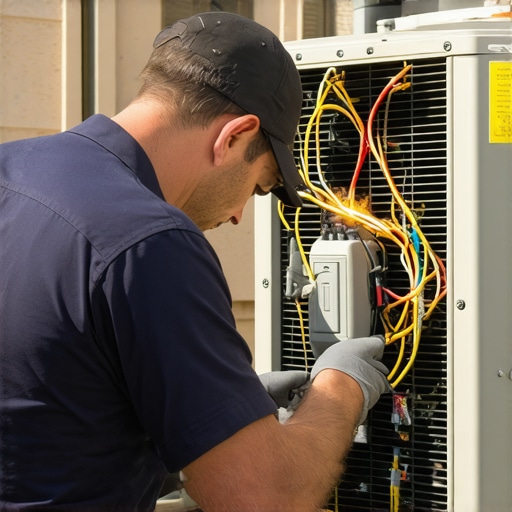
It was a scorching summer afternoon when I finally realized my cooling system was acting up. The air conditioning was struggling to cool the house, and I heard strange humming noises coming from the unit. That moment was a lightbulb for me—if I didn’t catch the signs early, I might face a sudden breakdown in the sweltering heat. Have you ever experienced that panic when the AC just refuses to turn on on the hottest day of the year?
Why Your AC Might Be Giving You Clues That It’s About to Fail
Understanding the early warning signs of a failing AC capacitor can save you time, money, and the discomfort of a sudden breakdown. I’ve learned the hard way that ignoring subtle hints—like strange noises, inefficient cooling, or a humming sound—can lead to an unexpected emergency repair, often costing more than a simple fix. Early detection not only prolongs your system’s life but also keeps your home comfortable during those sweltering days.
Is It Really Worth Getting a Technician To Check Your AC?
Initially, I tried to dismiss the signs, thinking they were just minor issues. But I made the mistake of ignoring that humming sound and sluggish cooling. When I finally called a professional, I learned that these symptoms often point to a deteriorating capacitor—an essential component that helps start your compressor and fan motors. Experts recommend regular inspections, especially if you notice any of these signs, to prevent complete system failure.
Prepare Your Tools and Environment
Before starting, gather essential tools: a voltage tester, insulated screwdrivers, pliers, and safety gloves. Turn off the power to your AC unit at the breaker box to prevent electrical hazards. Wait for the system to cool for at least 30 minutes, especially if it has been running, to avoid burns or other injuries. Ensuring a safe environment minimizes risks during the repair process.
Discharge the Capacitor Properly
Capacitors store electrical energy even after power is off, posing a shock risk. Use a voltage tester to confirm power is cut off. Then, carefully discharge the capacitor by connecting a screwdriver or a resistor across its terminals, following safety protocols. This step is critical; mishandling can result in an electric shock or system damage. When I replaced a faulty capacitor last summer, taking this step prevented potential injuries and saved me from damaging new parts.
Remove the Old Capacitor
Inspect the mounting and note the connections. Use insulated screwdrivers to disconnect the wires, labeling each with painter’s tape for easy reinstallation. Unscrew the capacitor from its mounting bracket. Be cautious: capacitors can retain residual charge. Handling the component gently prevents damage to adjacent parts and maintains your safety.
Install the New Capacitor
Compare the new capacitor’s specifications with the old one to ensure compatibility. Attach the new unit by securing it with the mounting bracket. Connect the wires accurately, matching labels or colors to avoid miswiring, which can damage the system. Double-check all connections before proceeding. During my last repair, meticulous wiring prevented future malfunctions.
Test the System
Restore power at the breaker, and set the thermostat to activate the AC. Observe the system for correct start-up sound and operation. Listen for unusual noises or vibrations that might indicate miswiring. If everything runs smoothly, your replacement was successful. If issues arise, consult detailed guides or a professional for support. Remember, performing this task correctly can extend your system’s lifespan and improve efficiency.
If You Encounter Issues, Seek Professional Help
While replacing a capacitor is straightforward, some signs suggest you should call an expert: persistent system failure, repeated tripping of the breaker, or if you’re unsure about safety procedures. For example, when I attempted a quick fix without proper precautions, I risked electric shock and ended up needing professional assistance. Don’t hesitate to reach out to licensed technicians for complex or unsafe situations, ensuring your safety and the longevity of your cooling system.
When dealing with appliance repairs or installations, many homeowners rely on widely accepted notions that might not hold up under closer scrutiny. For example, the belief that all warranties fully cover accidental damage is a misconception. In reality, most warranties have specific exclusions, and understanding the fine print is crucial to avoid surprises. A study by Consumer Reports highlights that about 30% of customers are unaware of warranty limitations, leading to out-of-pocket expenses during repairs.
Why do so many people get misled about appliance warranties and service guarantees?
Often, the marketing promises of “lifetime warranty” or “same-day service” create an expectation of hassle-free resolution, but the reality is nuanced. For instance, same-day service isn’t always truly immediate; it often depends on the technician’s schedule, parts availability, and the complexity of the issue. Many technicians may prioritize quick appointments over thorough diagnostics, leading to repeat visits or incomplete repairs. An advanced mistake homeowners make is assuming that warranty coverage extends to all damages, including those caused by improper maintenance or neglect, which is generally not the case. To avoid such pitfalls, it’s advisable to review the specific warranty terms and ask technicians about what is included and excluded upfront. For example, if you’re concerned about accidental damage, check whether your coverage encompasses mishaps, or consider purchasing extended protection. Avoid falling into the trap of believing that a service technician is always fully certified or experienced; instead, verify their credentials and reviews to ensure quality work. Prioritizing clear communication can save you time and money in the long run. If you’re unsure about your appliance’s warranty, or if claims have been denied unexpectedly, it may be worth consulting detailed guides like the one that explains the true scope of warranty coverage for accidental damage. Remember, knowledge of these nuances ensures you’re not just paying for repairs but investing in peace of mind. Have you ever fallen into this trap? Let me know in the comments.
Tools That Make Appliance Maintenance Easier and More Effective
Investing in the right equipment is crucial for ensuring your appliances stay in top shape over the long term. I personally rely on a digital multimeter with a high-accuracy clamp meter function because it allows me to safely check voltage, current, and resistance without disconnecting components. This tool saves me time and minimizes risks, especially when diagnosing issues with complex systems like HVAC units or refrigerators. For example, when troubleshooting a faulty thermostat, I use a multimeter to verify power supply and sensor continuity, ensuring accurate diagnostics before proceeding with repairs.
Another essential device I recommend is a smart leak detector. Many modern appliances and their connections are susceptible to minor leaks that can cause significant damage if unnoticed. A Wi-Fi-enabled leak detector, such as the Fibaro Flood Sensor, not only alerts you immediately if a leak is detected but also logs data, helping you identify patterns or recurring issues. This proactive approach can prevent costly water damage, especially in areas where appliances are prone to leaks, like dishwashers or washing machines.
Why I Switched to Using Infrared Thermometers
Accurate temperature readings are vital during installation or routine checks. I find an infrared thermometer invaluable because it allows me to measure surface temperatures of components from a safe distance. For instance, ensuring the compressor in an air conditioner isn’t overheating protects both the unit and my safety. An infrared thermometer provides quick, non-contact readings, making it easier to determine if a system is operating within optimal parameters. This reduces unnecessary disassembly and prevents misdiagnoses.
Advanced Techniques for Long-Term Appliance Care
Maintaining appliances isn’t just about knowing what tools to use; it also involves following proper procedures. Regularly cleaning and lubricating moving parts, like door hinges or fan motors, can extend their lifespan significantly. For systems like refrigerators, periodically checking door seals and cleaning coils maintain efficiency and prevent overexertion of compressors. Applying a bit of anti-corrosion spray to exposed electrical contacts after cleaning can inhibit rust and corrosion, especially in humid environments. According to HVAC technical standards, such as those documented by the Air-conditioning Contractors of America (ACCA), these preventive measures are essential in avoiding costly repairs and ensuring peak performance.
Scaling Up Your Maintenance Routine for Better Results
As your confidence grows, consider investing in a small, portable vacuum pump and gauge setup. These allow for precise evacuation and recharging of refrigerant systems, essential when dealing with leaks or low-coolant issues. Though more advanced, mastering this equipment can dramatically reduce reliance on costly professional visits for minor refrigerant adjustments. Ultimately, using specialized tools like electronic leak detectors or manifold gauges helps maintain system integrity and ensures consistent performance over years of service.
How do I keep appliance repairs effective over time?
The key is consistency and knowledge. Set aside a regular schedule for visual inspections and cleaning, guided by manufacturer recommendations. Keep detailed logs of maintenance activities, including dates and parts replaced, which can help identify patterns and anticipate potential failures. Additionally, stay updated with technical bulletins from manufacturers or industry standards—like those from ASHRAE. This continuous learning enables you to adapt your techniques and tools, ensuring your appliances remain reliable and efficient for years to come. For example, routinely checking your thermostat accuracy with a calibration tool can prevent temperature fluctuations and extend your system’s lifespan. Start by trying out a digital clamp meter—once you see how it transforms your diagnostics, you’ll wonder how you ever managed without it.
The Hardest Lesson I Learned About warranty,same-day service,appliance repair,installation
My biggest takeaway was realizing that not all warranties are created equal. I once assumed that a lifetime warranty meant lifelong coverage, but I learned the hard way that some exclusions apply, especially for accidental damages. Always reading the fine print can save you unexpected costs and headaches.
3 Myths About warranty,same-day service,appliance repair,installation That Held Me Back
I used to believe that same-day service guaranteed immediate repairs. Turns out, scheduling and parts availability often affect turnaround times. Don’t assume a quick appointment means a fix right away—manage expectations accordingly.
What Experts Won’t Tell You About warranty,same-day service,appliance repair,installation
Many technicians won’t mention that verifying their credentials can prevent subpar repairs. Checking reviews or certifications, like those listed at verification guides, ensures you’re getting quality service from trusted professionals.
My Essential Toolkit for warranty,same-day service,appliance repair,installation
Tools like a digital multimeter and Wi-Fi leak detectors have transformed my maintenance routine. They allow for precise diagnostics and early leak detection, saving money and preventing damage. I trust brands like Fluke for multimeters and Fibaro for leak sensors because of their reliability and accuracy.
Books That Changed How I View warranty,same-day service,appliance repair,installation
Technical manuals from industry leaders, such as ASHRAE publications, have deepened my understanding of appliance systems. They’re invaluable for DIY enthusiasts seeking professional-level knowledge.
Where to Go from Here
Start by inspecting your warranty documents regularly and establishing a routine maintenance schedule with trusted tools and resources. Staying informed about your appliances and warranty nuances empowers you to handle minor issues confidently and recognize when to call in experts. Remember, continuous learning is your best defense against unexpected breakdowns. What’s one appliance maintenance tip you wish you knew earlier? Drop your thoughts below and let’s discuss!