
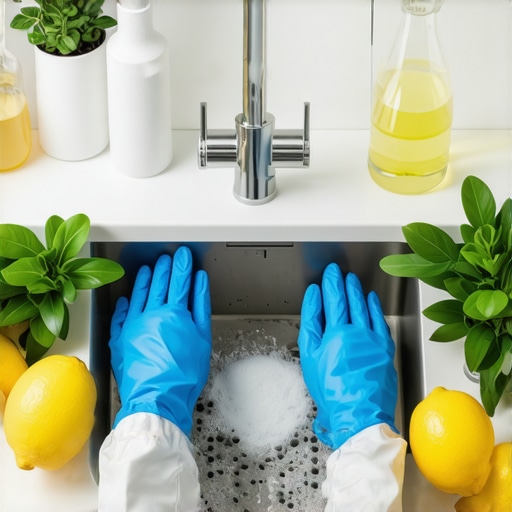
Have you ever stood over your kitchen sink, hearing that dreaded humming sound from your garbage disposal, only to realize it’s not working at all? I remember the moment vividly. My first instinct was to reach for chemical cleaners or call a plumber, but then I had a little lightbulb moment. Why not try a natural approach first? It turned out to be easier, cheaper, and surprisingly effective.
Dealing with a clogged garbage disposal can be frustrating. It’s one of those household issues that sneaks up on you, often at the worst possible time. The good news? Most clogs are caused by food debris, grease, or soap scum that build up over time. And here’s the kicker—using harsh chemicals isn’t always the best move. They can damage your pipes and harm the environment. According to the Environmental Protection Agency, many household cleaners contain harmful ingredients that contribute to pollution and health issues.
Getting to the Root of the Problem Naturally
Today, I’ll share my personal experience and the simple, natural methods I’ve relied on to clear out those stubborn clogs. No nasty chemical cocktails, just common household items and a little know-how. If you’ve ever wondered whether natural cleaners really make a difference, I’ll tell you—they do, in most cases. Plus, I’ll help you avoid some common mistakes that can turn your DIY fix into a bigger headache.
Have You Ever Faced This Common Garbage Disposal Issue?
If your disposal is humming but not draining, or if water is backing up in your sink, you’re not alone. Many homeowners encounter this, and more often than not, the fix is simpler than you think. Before breaking out the heavy-duty chemicals or calling in professionals, give these natural solutions a try. You might be surprised by how well they work—and how much money you can save. Ready to dive into the step-by-step process? Let’s get started!
Power Off and Prepare
Before diving into any troubleshooting, ensure your disposal is completely turned off. Unplug it from the outlet or switch off the circuit breaker to prevent accidents. The day I fixed my own disposal, I accidentally left it plugged in, which resulted in a slight shock when I touched the blades—always remember safety first.
Remove Visible Blockages
Start by inspecting the disposal for obvious debris. Use tongs or pliers to remove any stuck food waste or foreign objects—never reach in with your hands. If there’s a small piece of stubborn food, attempt to dislodge it by gently twisting a wooden spoon or stick inside the blades. This method saved me from calling a plumber once when a few potato peels jammed the mechanism unexpectedly.
Use Baking Soda and Vinegar
Pour about half a cup of baking soda into the disposal, followed by one cup of white vinegar. The fizzing action helps break down debris and remove odors. Let it sit for 15-20 minutes to work its magic. In my experience, this simple combo is surprisingly effective—especially if the clog is caused by grease buildup. For tougher grime, repeat the process or follow up with hot water.
Flush with Hot Water
Boil a kettle of water and carefully pour it down the drain. The hot water helps melt any remaining grease or soap scum inside the pipes. When I tried this, I noticed a significant improvement in disposal function, with water draining more freely. Be cautious with boiling water if your pipes are plastic, as extreme heat can sometimes deform them. Use warm water instead if unsure.
Manually Spin the Blades
After clearing and cleaning, test the blades’ movement manually to ensure they spin freely. Use an Allen wrench in the hex socket at the bottom of the disposal to turn the blades if they’re stuck. This step is akin to pushing a stuck gear into motion—once free, the disposal runs smoothly again. Remember to re-energize the unit only after confirming the blades rotate easily.
Prevent Future Clogs
To keep your disposal running smoothly, avoid disposing of fibrous foods, grease, or large bones. Regularly grinding small citrus peels can help freshen the smell and maintain the blades. For ongoing maintenance tips, check out this guide on avoiding a clogged drain: how to prevent disposal leaks. Keep your kitchen odor-free and your pipes happy with consistency.
Many homeowners believe they fully understand how appliance warranties work, but the truth is more nuanced than most realize. A common misconception is that warranties cover all types of damage equally. However, most warranties exclude regular wear-and-tear issues or damage caused by user misuse, which can leave you unexpectedly uncovered during a breakdown. For instance, some assume that if an appliance breaks, the warranty will cover repairs regardless of the problem’s origin, but reading the fine print often reveals exclusions.
Another often-overlooked nuance is the importance of proper installation. It’s tempting to skip professional installation to save money, but improper setup can void your warranty and lead to costly failures down the line. For example, incorrect leveling of a refrigerator can cause excessive vibrations or leaks, which may not be covered if deemed installer error. Double-checking installation guidelines and hiring qualified techs can prevent these pitfalls.
Let’s address a common myth about same-day service. Many believe that requesting urgent repairs guarantees an on-the-spot fix. In reality, “same-day” often refers to scheduling, not immediate service. Technicians may have a packed schedule, especially during peak seasons, leading to delays even for priority requests. Knowing this helps set realistic expectations and avoid frustration.
Most people don’t realize that appliance repair experts often catch issues that go beyond the surface. For example, a broken oven door latch might seem simple, but underlying problems like faulty wiring or control board malfunctions are common and require advanced diagnostics. Relying solely on superficial fixes can result in recurring breakdowns. Make sure your repair provider performs comprehensive assessments to avoid hidden costs.
Beware of the ‘repair vs. replacement’ trap. Some think that repairing an old appliance is always cost-effective, but studies have shown that after a certain age, replacing an appliance with a more energy-efficient model can save money in the long run. For instance, if your AC blower fan is still running but inefficiency has increased, consulting an expert might highlight that a replacement yields better value than continual repairs—more on this at this guide.
Finally, understanding the fine print of warranties can prevent unexpected out-of-pocket expenses. Many warranties require timely registration and adherence to maintenance schedules. Missing these details can void your coverage entirely. Always review your warranty terms carefully, and consider setting reminders to keep up with required checkups.
Have you ever fallen into this trap? Let me know in the comments. Remember, staying informed about the details of warranty coverage and repair nuances can save you time and money—and keep your appliances running smoothly longer.
Selecting the Right Tools for Long-Term Appliance Care
Maintaining your household appliances over years requires not just vigilance but the right equipment. I personally rely on a set of specialized tools that make troubleshooting and minor repairs straightforward. A quality multimeter, for instance, has been invaluable for diagnosing electrical issues with appliances like your refrigerator or oven. It allows me to measure voltage and continuity accurately, helping determine if faulty wiring or control boards are to blame. Additionally, a reliable socket set with various sizes makes it easy to remove panels or access internal components without risking damage.
For cleaning and preventive maintenance, I recommend investing in a digital inspection mirror and a high-quality flashlight. These allow me to peek behind appliances or into tight spaces, spotting issues like accumulated lint or corrosion early. Regularly inspecting seals, door gaskets, and vents with these tools can prolong appliance life significantly. Besides physical tools, software-based diagnostics are becoming more prominent. Many modern refrigerators and smart washers come with companion apps that monitor performance metrics, alerting you to potential issues before they escalate. Connecting with your appliances through these apps helps manage maintenance schedules proactively.
The Future of Maintenance: Smart and Automated Solutions
The industry trend points toward increased automation and smart diagnostics. Voice-activated assistants can now integrate with appliances, providing real-time troubleshooting tips. For example, some smart ovens can notify you via your phone if a door wasn’t sealed properly or if a component is nearing failure. These innovations simplify ongoing maintenance, turning it from reactive to proactive. As technology advances, expect more appliances to feature predictive analytics, predicting failures before any visible signs appear.
Another exciting development is the use of biodegradable or eco-friendly cleaning agents in tandem with specialized cleaning kits designed specifically for appliance parts. These support sustainable maintenance routines that save you money and protect the environment. Staying informed about emerging tools and techniques by following industry sources or attending local workshops can equip you with the knowledge to keep appliances in top shape.
How do I keep my appliances functioning at their best over time?
Establishing a regular maintenance schedule is key. Periodic inspections, such as checking door seals or running diagnostics, can catch issues early. Use manufacturer-recommended cleaning tools and products—like the correct cleaner for your microwave’s interior or dedicated lint traps for your dryer—to prevent common problems. Also, keep a maintenance journal or digital log to track when parts were replaced or cleaned; this historical data can inform future repairs and extend appliance longevity. Remember, sometimes investing in professional tune-ups is worthwhile; it can uncover hidden problems like worn-out motor brushes or misaligned belts that DIY checks might miss. For more on routine oiling and calibration techniques, see expert guides like this resource. Try adopting a comprehensive maintenance routine with the right tools and knowledge—you might be surprised at how much longer your appliances will serve you efficiently.
The Hardest Lesson I Learned About Warranties and Repairs
One personal revelation was realizing that warranties often exclude routine wear-and-tear, which means I need to read the fine print carefully. Skipping professional installation can void coverage, leading to costly issues later—trust me, it pays to hire qualified specialists. I used to believe same-day service was always instant; now I understand scheduling constraints, so patience and planning are key. Over time, I’ve learned that sometimes investing in quality parts and tools upfront saves money and stress. Lastly, staying proactive with regular maintenance and proper troubleshooting keeps appliances running longer and avoids unexpected breakdowns.
My Go-To Resources for Smarter Appliance Care
For reliable tips, I highly recommend this guide on AC blower fans, which has saved me from unnecessary repairs. Books like “The Homeowner’s Guide to Appliance Repair” offer in-depth techniques that empower me to handle minor issues confidently. I also trust this resource on relocating appliances safely because it covers critical steps I hadn’t known. Additionally, industry blogs and local workshops keep me updated on evolving technologies and best practices, making me more self-sufficient and informed.
Your Next Move Could Save Your Day
Whether you’re fixing a leaky refrigerator or scheduling regular maintenance, empowered homeowners are prepared homeowners. Armed with the right knowledge and tools, you can turn household challenges into manageable tasks, saving money and avoiding inconvenience. Start small—tackle a simple repair or check your warranty details today—and build confidence for bigger projects. Remember, each step you take improves your home’s efficiency and longevity. What household repair are you most eager to master next? Let me know below and share your experiences!