
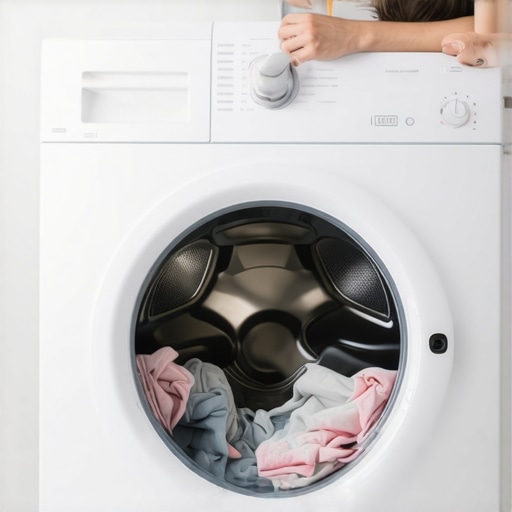
Have you ever just finished doing laundry, feeling so proud of the fresh smell, only to open your closet later and be hit with that unmistakable damp, musty odor? I’ve been there—trust me, it’s frustrating and confusing. One day, I finally had my lightbulb moment after dealing with clothes that smelled like mildew immediately after washing, no matter how many detergents I tried. It felt like my efforts were wasted, and every fresh load ended with that stubborn smell lingering.
How I learned this problem isn’t just a little laundry quirk but something worth fixing
Could it really be that simple, or am I missing something?
Early on, I made a common mistake—overloading my washing machine. Turns out, when you pack your washer too tightly, water can’t circulate properly, and detergent doesn’t rinse out thoroughly, leaving a film that fosters mold and mildew. It’s such a simple mistake but one that can cause big problems. Did you know that mold spores in your laundry room can spread and cling to your clothes, creating that musty smell? According to experts, improper washing techniques and clogged drainage systems are leading causes of mildew smell in clothes, even after what seems like a thorough wash (source).
But don’t worry—I’ve uncovered some proven remedies that will change your laundry game. From cleaning your washer’s gasket to adjusting your wash routines, I’ll guide you step-by-step to banish the mildew smell for good. Ready to get your clothes smelling fresh again? Let’s dig into the causes and solutions that really work.
Say goodbye to mildewy clothes with these practical tips
.
Break Down Your Laundry Process
Start by sorting your clothes to prevent mildew spores from spreading. Use the hot water setting for items prone to mold, and always check care labels. When loading the washing machine, fill it only halfway to ensure water and detergent circulate properly—this prevents leftover residue that fosters mold growth. I used to overload my washer, thinking more clothes meant better efficiency, but I ended up with damp, musty-smelling laundry. Once I adjusted the load size, I saw immediate improvements.
Clean Your Washer Regularly
Next, focus on cleaning your washing machine to eliminate mold and soap scum buildup. Run a monthly maintenance cycle with a washing machine cleaner or two cups of white vinegar. Clean the gasket and door seals with a soft cloth and a mixture of mild detergent and vinegar. Last week, I scheduled a cleaning session, giving special attention to those hidden corners where mold tends to hide. The difference was night and day—fresh-smelling clothes and no more mildew after washes.
Optimize Your Washing Environment
Ensure the laundry area is well-ventilated, especially after washing cycles. Leave the door of the washer open between uses to allow moisture to escape and prevent mold growth inside the drum. For added protection, consider installing a dehumidifier if your laundry space tends to be humid. I added a small dehumidifier in my laundry closet, which kept the environment dry and significantly reduced musty odors. Good airflow is key to keeping mold spores from settling.
Use Effective Detergents and Additives
Choose high-quality detergents designed to combat odors and prevent mold. Look for products with enzymes or antifungal properties. Adding a cup of white vinegar to your rinse cycle can help neutralize lingering smells. In my experience, switching to a detergent with antifungal agents made my clothes stay fresher longer. Regularly replacing old detergents and avoiding excessive use also makes a huge difference.
Address Specific Problem Spots
Inspect areas prone to mold, such as the washer gasket and drain hoses. Remove and clean any moldy buildup immediately. If your washer’s drain hose is clogged or improperly installed, it can cause leftover moisture that leads to mildew. I once had a clog that caused water to stagnate, and after clearing it, I noticed a significant drop in musty odors. For persistent issues, consider consulting appliance repair experts—especially if your washer’s drain line installation might have voided your warranty (see how improper drain lines void warranties).Many homeowners believe that simply following the manual’s instructions guarantees a successful warranty claim or smooth appliance repair, but the reality is far more nuanced. A widespread misconception is that all warranties are automatically valid indefinitely; however, most warranties require strict adherence to maintenance and installation guidelines. For instance, skipping regular cleaning or incorrect installation can void your warranty, even if an issue arises later. Experts recommend keeping detailed records and documenting maintenance routines to prove compliance during warranty claims (source), but many overlook this crucial step.
Another common fallacy is that same-day service always resolves issues on the first visit. While convenient, this often leads to misunderstandings about what ‘urgent’ entails. Technicians may arrive prepared for minor fixes but encounter complex problems that require additional parts or time. Rushing to schedule a service without understanding the complexity can result in multiple visits, frustration, and missed warranty deadlines, especially if your manufacturer stipulates specific repair timelines.
A lesser-known but critical nuance involves installation pitfalls. Incorrectly installing components like water inlet valves or drainage hoses can create long-term problems, including leaks or system failures, that are misattributed to manufacturing defects. Such mistakes can also lead to warranty Voiding, which is why proper installation—preferably by certified technicians—is essential. For example, improper drain line setup not only causes operational issues but also risks voiding your washer’s warranty (see how improper drain lines void warranties).
Advanced users often wonder about the subtle signals that indicate warranty coverage eligibility. For instance, understanding whether a malfunction results from normal wear or improper usage is key. Brands tend to deny coverage if misuse or neglect is proven, but they also sometimes deny claims based on overlooked design flaws. Familiarity with manufacturer-specific warranty clauses can make the difference between a free repair and out-of-pocket expenses. Reviewing the warranty documentation and consulting with authorized service providers can clarify coverage scope and help avoid costly mistakes.
Overall, the most vital insight is that warranties and repairs are interconnected with precise installation, routine maintenance, and understanding manufacturer policies. Being proactive—recordkeeping, following guidelines diligently, and seeking expert advice—can save you money and hassle down the line. Do you see yourself falling into any of these common traps? Let me know in the comments. Remember, a little knowledge and attention to detail go a long way in protecting your household appliances and investment.
Tools That Help Maintain Appliance Performance
Having the proper tools is essential for keeping your appliances in top shape over the long term. I rely heavily on a digital multimeter for diagnosing electrical issues, which allows me to quickly test components like thermostats and control boards without guesswork. A high-quality socket set is vital for replacing worn-out belts or bolts, especially when working on machines like dryers and washing machines. Additionally, a magnetic inspection mirror enables me to reach tight corners and check for dust, dirt, or corrosion that could impair performance. Investing in these tools has dramatically reduced the need for professional repairs and extended the lifespan of my appliances.
Effective Maintenance Routines to Extend Appliance Life
Consistency is key. I recommend scheduling quarterly maintenance checks that include cleaning filters, inspecting hoses, and testing safety features. For example, cleaning your refrigerator’s condenser coils with a soft brush prevents overheating and wasteful energy consumption (see how coil cleaning saves your fridge). Regularly emptying lint traps and using a vacuum to remove dryer vent lint reduces fire risks and improves airflow. Keeping detailed maintenance logs helps track when components were last serviced, ensuring timely replacements before failures occur.
Projected Trends in Appliance Maintenance Tools and Methods
Looking ahead, I predict a surge in smart diagnostic devices that connect via Bluetooth or Wi-Fi, providing real-time alerts on potential issues before they escalate. These innovations will integrate with home automation systems, allowing proactive maintenance and even remote troubleshooting. Additionally, AI-powered apps are emerging to guide homeowners step-by-step through common repairs, making professional services more targeted and efficient. Embracing these advances will enable homeowners to manage their appliances smarter, longer-lasting, and with fewer disruptions.
How do I maintain appliance performance over time?
One crucial tip is to adopt an inspection routine that combines visual checks with functional testing using your digital multimeter. For instance, regularly testing capacitor values in your microwave or inspecting seals around your fridge doors can prevent energy loss and mechanical failures. Remember, maintaining documentation of your upkeep not only helps in diagnosing issues but also supports warranty claims when needed (see how to document your maintenance). Don’t underestimate the power of these proactive steps—try setting a monthly reminder to perform a quick check on critical components. Small, consistent actions go a long way in keeping appliances in excellent working order for years to come.
Lessons the Warranty Manuals Sometimes Keep Quiet About
One of the most eye-opening lessons I learned was that warranty coverage isn’t just about what’s written on paper but also how well you adhere to proper installation and maintenance practices. I once assumed that following the initial setup was enough until a technician pointed out that improper drain line installation voided my new washer’s warranty. That lightbulb moment made me realize that understanding the fine print, like avoiding common pitfalls that aren’t always detailed, can save money and headaches in the long run. Additionally, I discovered that quick fixes, like a DIY gasket wipe, might mask underlying issues that only an expert can truly address, emphasizing the importance of knowing when to seek professional help and how this knowledge affects warranty validity.