
Ever had that moment when you’re rushing to heat up leftovers and suddenly, your microwave’s turntable betrays you, stopping mid-spin? You’ve pressed start, heard the hum, but the plate just sits there, frozen in place. Frustrating, right? I remember thinking my microwave was giving up on me, especially during busy mornings or late-night snacks. It felt like such a small thing, yet it disrupted my rhythm and made me wonder if I needed to replace the whole appliance.
Why Your Turntable Might Suddenly Stop Spinning
In my experience, the sudden halt of a microwave turntable isn’t always a sign of a major malfunction. Often, it’s a minor issue that can be addressed without calling in the pros or buying a new microwave. But the key is understanding what causes this hiccup. Is it a worn-out motor, a faulty turntable plate, or perhaps a misaligned turntable ring? Depending on the cause, the fix can be simple or more involved. Today, I’ll walk you through the common reasons behind this frustrating behavior and how to troubleshoot them effectively.
Is Your Microwave Repair Worth the Trouble or Just a Waste?
Now, I have to admit — early on, I made the mistake of assuming my microwave was dead, leading me to consider replacing it prematurely. That was a costly misjudgment. Instead, I found that many turntable issues stem from small parts or simple misalignments. According to appliance repair experts, addressing such problems can often extend the lifespan of your microwave and save you money. If you’re tired of battling a stubborn turntable, you’re not alone. Let’s explore the typical culprits and how you might fix them yourself.
Are you facing this exact problem right now? If so, keep reading. The solution might be easier than you think, and I’ll share the steps I took to get my microwave spinning smoothly again. Before diving into the fixes, it’s good to understand why these issues happen in the first place — so you can prevent future frustration and keep your appliance running efficiently.
Remove and Inspect the Turntable Components
Start by unplugging your microwave to ensure safety. Carefully remove the turntable plate by lifting it straight up from the center. Check for any visible debris, cracks, or broken pieces. Gently lift the turntable ring (the circular track that supports the plate) and examine it for signs of damage or warping. In my experience, a clogged or misaligned ring often causes the turntable to stop spinning. Clean any dirt or residue with a damp cloth to ensure smooth movement. If you notice any cracks or broken parts, replacing the ring or the plate is advisable.
Test the Turntable Motor
The motor that drives the turntable is usually located beneath the microwave’s base. To access it, remove the bottom panel (reference your microwave’s manual for specific instructions). Carefully disconnect the motor’s wiring harness. Use a multimeter to test the motor’s continuity by setting it to the ohms function. A reading of zero or infinity indicates a faulty motor. Microwave humming but no heat might hint at motor issues, so testing here can save time.
Replace the Turntable Motor if Necessary
If the motor tests faulty, replace it with a compatible spare. Before installation, compare the new motor to the old one to ensure proper fit. Reconnect the wiring harness securely. During my last fix, I accidentally connected the wires incorrectly, causing the motor not to turn. Double-check connections to avoid repeats. Once replaced, reassemble the microwave and test the turntable by running the microwave empty for a few seconds. The plate should rotate smoothly.
Addressing Misaligned or Damaged Components
If the motor is functional but the turntable still stalls, the issue might be misalignment. Gently reposition the turntable ring and plate, ensuring they sit flat and centered on the motor shaft. Sometimes, accumulated debris or warping can prevent smooth rotation.
For persistent problems, examine the drive coupling — the small plastic or rubber piece connecting the motor shaft to the turntable ring. If worn or broken, replace it to restore proper movement.
Prevent Future Turntable Troubles
To keep your microwave functioning smoothly, clean the turntable components regularly and avoid placing heavy or uneven loads on the plate. Misalignment often happens when the plate is forced or obstructed.
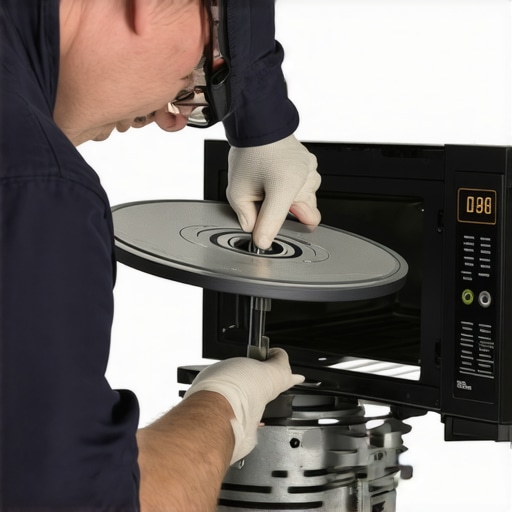
Illustration of removing the microwave turntable and inspecting the motor and support ring.
Remember, if troubleshooting these steps doesn’t restore your turntable’s rotation, consulting a professional might be more cost-effective than risking further damage.
Many consumers believe that opting for same-day appliance repair guarantees a flawless solution delivered instantly. While speed is attractive, this expectation often overlooks critical nuances that can lead to disappointment or even increased costs. As an expert in appliance service, I’ve seen how misconceptions about the intricacies of installation, warranties, and repair timelines can cause serious misunderstandings. Let’s dig deeper into what most people get wrong about same-day service and the hidden nuances behind claims of instant fixes.
Why Immediate Service Doesn’t Always Mean Better Repair Quality
Counter to popular belief, rushing to get an appliance fixed within hours may compromise the quality of the repair. Rapid repairs sometimes lead to overlooked issues or inadequate diagnostics. Trusted service providers understand that thorough troubleshooting is essential before any replacement or fix, even if it delays the process slightly. Cutting corners for the sake of speed can result in returning to the same problem soon after, which is both frustrating and costly. As highlighted by industry experts, a measured approach ensures longer-lasting solutions rather than temporary patches.
The Oops I Learned from
A common trap is assuming that all warranties cover immediate repairs or replacements without exceptions. Many warranties include fine print about prerequisites such as regular maintenance, proper installation, and reporting issues within a specific window. Ignoring these details can void your warranty unexpectedly. For example, improperly installed appliances might not qualify for warranty coverage, leading to out-of-pocket expenses. Therefore, understanding your warranty’s terms — like coverage limits and required documentation — is vital to avoid being caught off guard. One mistake I see often is homeowners assuming that warranty claims are automatic; in reality, proper documentation and compliance with service protocols are crucial.
What Advanced Consumers Should Know About Same-Day Service
For those seeking truly reliable results, knowing that not all service providers have the same standards is essential. Some may advertise quick turnaround but lack the technical expertise for complex issues, especially with integrated systems or electronic controls. More importantly, requests for installation or repair should be approached with caution if the service technician isn’t certified or fails to follow manufacturer guidelines. Using unqualified technicians can void warranties or cause further damage — a costly mistake that many regret. If you’re dealing with complex appliances like smart refrigerators or convection ovens, ensuring the technician adheres to manufacturer procedures is critical, which a skilled professional will prioritize over speed.
Finally, be aware that some service companies offer ‘same-day’ guarantees but lack the capacity to handle intricate diagnostics promptly. It’s worth asking: Does this include a full diagnostic process, or are they rushing to replace parts without proper inspection? The old adage ‘penny wise, pound foolish’ applies here — hurried fixes may save a few hours but cost more in the long run. For instance, misdiagnosing a leaking refrigerator may lead to unnecessary replacement parts or moisture damage if the root cause isn’t properly identified first. Want to avoid these pitfalls? read more about how detailed troubleshooting can prevent costly mistakes.
To sum up, while same-day appliance repair tempts homeowners with the promise of quick fixes, understanding the nuances behind warranties, installation standards, and repair quality is crucial. As an expert, I advise patience and due diligence — your appliances and wallet will thank you. Have you ever fallen into this trap? Let me know in the comments.
Image description: A professional technician performing a thorough diagnostic check on an appliance, emphasizing careful inspection over rushing repairs.
.
Maintaining your appliances for long-term performance requires more than just occasional cleaning; it demands the right tools and routine checks to prevent costly breakdowns. As someone deeply involved in appliance repair, I prioritize using specialized equipment that allows me to diagnose issues accurately and efficiently. One tool I never leave out is a multimeter capable of measuring both voltage and resistance. It’s invaluable for testing components like microwaves’ magnetrons or refrigerator thermostats without invasive disassembly. For example, when troubleshooting a refrigerator display board flashing codes, a multimeter helps verify circuit integrity before considering replacement.
Another essential piece is a digital infrared thermometer. This device provides quick temperature readings of various components, ensuring motors and heating elements operate within safe ranges. Since heat anomalies often signal impending failures, having this tool on hand allows me to catch early signs of trouble, saving customers money and inconvenience. I personally prefer infrared thermometers with a laser pointer for precise targeting, especially when assessing the heat distribution in ovens or dryers.
Software programs tailored for diagnostic procedures are also game-changers. For instance, I utilize appliance-specific apps that connect via Bluetooth to interpret error codes and guide repairs step-by-step. These apps are updated regularly with manufacturer data, ensuring accuracy and providing troubleshooting flows that reduce diagnostic time. For shop management, I rely on scheduling software that automates appointment reminders and tracks service history, which is crucial for faster repeat visits and warranty claims.
Looking ahead, I predict the integration of AI-driven diagnostics with IoT-enabled appliances will become standard, allowing remote problem detection and even predictive maintenance. This shift will move service from reactive to proactive, minimizing downtime for homeowners.
Curious about how to keep your appliances in top shape? One actionable tip is to perform regular checks using an infrared thermometer on critical components like heating elements and motors. Not only does this preempt failures, but it also provides peace of mind that your appliance operates efficiently.
And if you want to get truly advanced, try investing in a video borescope. It allows you to inspect inaccessible parts inside appliances without complete disassembly, saving you time and reducing the risk of damage. This tool is especially useful for detecting wiring insulation wear or blockages in drainage systems.
Maintaining your appliances isn’t just about buying the right tools; it’s about adopting a proactive mindset. Regular inspections with precise instruments can extend the lifespan of your devices, prevent emergency repairs, and even improve energy efficiency. Want to learn the most effective maintenance routines? Check out detailed guides on how to troubleshoot common issues and keep appliances running smoothly for years to come. For example, reviewing why your fridge display shows random numbers can give insights into early warning signs before complete failure.
So, next time you suspect your appliance isn’t performing optimally, arm yourself with these tools, run regular diagnostics, and stay ahead of potential problems. Your appliances will thank you, and your wallet will too.
The Hardest Lesson I Learned About Same-Day Service and Repair
One of the most valuable insights I gained was that rushing to fix an appliance often leads to overlooked details and less durable repairs. Patience and thorough diagnostics can save you money and frustration in the long run, despite the tempting allure of immediate fixes.
Myths About Emergency Repairs That Cost Me
Believing that warranties always cover rapid repairs was a costly mistake. I learned to carefully review warranty terms and ensure proper documentation before scheduling service, which protected both my investment and peace of mind.
The Truth About Fast Fixes and Quality
Quick repairs can sometimes compromise quality if not executed properly. I now emphasize comprehensive troubleshooting over speed to ensure long-lasting solutions, especially with complex appliances like smart refrigerators or induction stoves.
Smart Strategies for Managing Expectations
Managing client expectations about same-day service includes clear communication that quality diagnostics take time. Educating customers upfront helps prevent misunderstandings and builds trust, ensuring everyone is aligned on the repair process.
Future Trends That Will Change How We Approach Repairs
Looking ahead, the integration of IoT and AI in appliances promises proactive detection of issues, minimizing downtime. Staying informed and adopting new diagnostic tools will be crucial for professionals and DIY enthusiasts alike.