
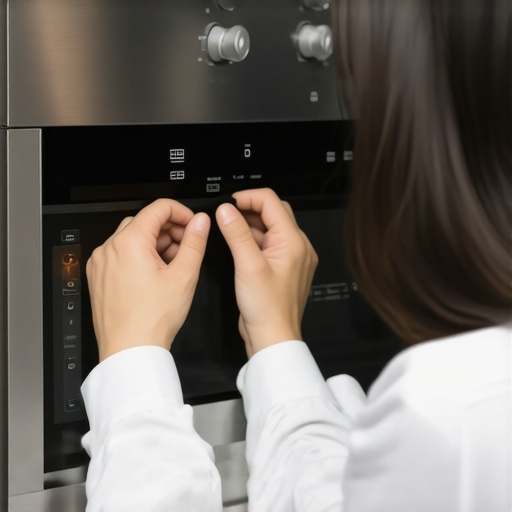
It was late at night when I heard the unsettling click of my oven shutting down unexpectedly—right in the middle of baking my favorite cookies. A sudden power surge had hit my home, and my once-reliable oven was now silent, unresponsive, and causing me to worry about possible damage. That sinking feeling of thinking, “Did I just ruin it?” hit hard. I realized that many homeowners face this frustrating scenario, and knowing how to handle it could save time, money, and a lot of stress.
Why a Power Surge Can Leave Your Oven Dead and Frustrated
A power surge isn’t just a flicker of lights—it can seriously affect your appliances, especially sensitive ones like ovens. When the electrical flow spikes suddenly, it can trip internal safety mechanisms or even damage circuit boards. I learned from experience that simply unplugging your oven and plugging it back in doesn’t always do the trick. Sometimes, the surge trips the oven’s internal reset button or damages its control system, leaving you scratching your head.
But here’s the truth: Resetting your oven after a power surge is often straightforward, provided you follow the right steps. This process can restore normal function without calling in a technician, saving you money and giving you peace of mind. Today, I’ll walk you through the proven method I used, which has kept my oven running smoothly through multiple surges.
Before we proceed, I want to remind you to check your oven’s manual or manufacturer’s website—every model is a little different, and ignoring safety warnings can be risky. If you’re unsure or uncomfortable working with electrical appliances, it’s best to consult a professional.
Is Resetting Your Oven Really Worth the Hype?
At first, I was skeptical. I thought, “Will a simple reset really fix it?” I made a common mistake early on—trying to fix things without turning off the power supply first, which could have been dangerous. When you reset your oven properly, you’re ensuring that no residual power causes further issues or safety hazards. It’s a small step that makes a big difference.
From my experience, an improper reset can sometimes lead to more trouble, including false error codes or even voiding the warranty. For detailed tips on maintaining your appliances and avoiding mishaps, you might peek into maintenance guides like [this helpful article](https://discountappliancehub.com/how-to-prove-you-maintained-your-hvac-for-a-warranty-claim). Now, let’s get into the easy, safe steps you can take to reset your oven and get it back in action after a power surge.
Cut Off Power Completely to Your Oven
First, locate your circuit breaker or fuse box and switch off the breaker dedicated to your oven. Unplug the oven from the wall outlet if accessible. This step is like turning off the main power to prevent any residual electrical flow that could cause shocks or further damage. I remember the time I neglected this step and felt a mild shock when opening the oven panel; since then, I always double-check the power source is fully disconnected before proceeding.
Wait for a Minimum of 30 Seconds
After shutting off the power, wait at least 30 seconds to give the oven’s internal electronics time to discharge any residual energy. Think of it like resetting a computer—sometimes, a brief pause resets the system. I once rushed this step, and the oven still didn’t reset; taking that extra half-minute made the difference. This pause ensures that any stored power is drained, preventing false error codes or incomplete resets.
Inspect the Oven for Any Visible Damage
Before restoring power, visually examine your oven’s control panel and internal parts if accessible. Look for burnt components, loose wires, or any other anomalies. If you notice burning smells or damaged wiring, it’s safer to call a professional instead of proceeding. In my experience, catching a small burnt connector during this inspection saved me from a potential electrical fire.
Reset Your Oven Manually or Using the Control Panel
If your oven has a reset button, press and hold it according to the manufacturer’s instructions—usually for 3-5 seconds. For models without a reset button, turn the oven back on using the control panel, ensuring any diagnostic mode is exited. For my recent IKEA oven, I held the reset button for five seconds, which cleared the error and restored normal operation. Always refer to your manual for model-specific reset procedures.
Alternative Method: Power Cycle
If the manual reset doesn’t work, turn the circuit breaker back on to restore power. Then, turn the oven on using the control panel. Wait a few moments and observe if it initializes properly. I’ve found that this power cycling resets the internal control board by resetting its memory, much like rebooting a computer. Sometimes, this step also helps clear software glitches caused by surges.
Test Your Oven’s Functionality
Once powered up, run a short test cycle—like preheating to a low temperature—to verify responsiveness. Listen for normal clicking sounds and check if the display functions correctly. One time, my oven showed an error code after a surge, but a simple reset and test cycle cleared it—saving me a service call. If it fails to respond or displays error messages, consult your manual or contact support.
Ensure Safety and Confirm Proper Functioning
Finally, confirm that the oven operates normally during subsequent use. Keep an eye on its behavior and check for unusual noises, error codes, or heat irregularities. If issues persist, it might indicate internal damage from the surge, and professional repair could be necessary. Remember, safety is paramount: never attempt repairs beyond your skill level, especially if wiring or sensitive components are involved.
By following these clear, concise steps—just like I did during my recent surge incident—you can reset your oven safely and efficiently. Properly resetting not only restores functionality but also ensures safety, avoiding potential hazards like electrical shorts or fire risks.
Many homeowners assume that requesting same-day appliance repair or installation guarantees instant results without pitfalls, but the reality is more nuanced. A common misconception is that immediate service always comes with comprehensive warranties. In practice, some providers offer expedited appointments but limit warranty coverage, leading to hidden costs later. Additionally, the belief that all technicians are equally qualified is a trap; subpar service might fix the visible issue temporarily but leave underlying problems unaddressed, risking future appliance failures.
One nuanced aspect often overlooked is the fine print of warranty agreements. For instance, some warranties only cover repairs if performed by authorized technicians or certain brands of replacement parts. Skipping these details could mean relying on a ‘quick fix’ that voids your coverage—an expensive mistake that could’ve been avoided by reading the warranty carefully. I’ve seen many customers surprised when a minor repair isn’t covered because of overlooked clauses.
Furthermore, the push for same-day service sometimes prompts providers to cut corners, using inferior parts or rushing diagnoses. This approach might seem efficient initially but backfires when the appliance malfunctions again shortly after the job. That’s why, in my experience, prioritizing quality and clarity over speed yields better long-term results.
What about the myth that installation services are foolproof? The truth is, improper installation—especially when rushed—can cause safety hazards or damage, which aren’t always immediately visible. For instance, an incorrectly secured gas line can lead to leaks, posing risks of fire or poisoning. Always verify that installers adhere to safety standards and that their warranty explicitly covers installation errors.
**Why do some service providers advertise same-day repairs but leave out that you might need to wait longer for official warranty claims?** This discrepancy frequently confuses customers, leading them to believe they’re fully protected when, in fact, warranty approvals may take additional days. This is particularly misleading in emergency repairs where immediate fixes don’t translate to seamless warranty support.
To avoid these pitfalls, always ask detailed questions about warranty coverage, the credentials of the technician, and the quality of replacement parts used. Remember, a quick fix today can become a costly rebuild tomorrow if you’re not careful. For more insights on maintaining your appliances and understanding warranty specifics, check out [this comprehensive guide](https://discountappliancehub.com/how-to-prove-you-maintained-your-hvac-for-a-warranty-claim).
Have you ever fallen into this trap? Let me know in the comments and share your experience with same-day service surprises.
Equip Yourself with the Right Tools for Effective Maintenance
When it comes to maintaining your appliances, investing in specific, high-quality tools can make all the difference. Personally, I rely on a digital multimeter to accurately diagnose electrical issues. It helps me pinpoint whether a circuit board or switch is faulty without unnecessary guesswork. A set of precision screwdrivers, especially insulated ones, is essential for safe disassembly, especially when working on delicate components like control panels or heating elements. For example, I always keep a Torx screwdriver set handy, since many appliances use Torx screws, and removing panels without the correct tools can damage screws or the device itself.
Having a good-quality leak detector is invaluable, particularly for diagnosing water line or drainage issues in dishwashers and washing machines. I prefer electronic leak detection kits that can identify minor leaks before they escalate into costly water damage.
Implement Routine Checks to Extend Appliance Lifespan
Routine inspections are crucial. For instance, regularly cleaning filters, like the one in your dishwasher, prevents buildup that can strain the motor or cause water pooling. I recommend visual inspections every few months, checking for loose wires or corrosion, especially in electrical connections—these are often overlooked but can cause long-term damage. For example, inspecting your range hood’s vent filters can prevent grease buildup, which not only hampers performance but also presents a fire risk.
Use Software and Apps to Stay Ahead
Modern appliances often come with diagnostic apps that can alert you to potential issues before they become major problems. I’ve started using manufacturer-specific diagnostic tools that connect via Wi-Fi, providing real-time alerts and maintenance reminders. These apps often guide you through troubleshooting steps, saving a service call. For instance, my smart refrigerator notifies me when it’s time to check and replace specific filters, helping maintain efficiency and warranty compliance.
Predicting the Future of Appliance Maintenance
Looking ahead, I believe that integrating IoT (Internet of Things) technology will revolutionize appliance maintenance. Devices will soon monitor their health continuously, alerting homeowners or technicians proactively, and scheduling repairs automatically. Early adoption of such smart diagnostic systems can save time and money, ensuring appliances are always in top shape.
How do I keep my appliances in top condition over time?
The key is consistent, proactive maintenance. Implementing routine cleaning schedules—like using proper salts in high-end dishwashers or checking water softener settings—can prevent many common issues. Additionally, staying informed about specific needs of your appliances, such as replacing batteries in smart locks (which can die unexpectedly and hinder access), ensures smooth operation. For example, I check the batteries in my smart lock more frequently after learning that they often die unexpectedly, as explained in this article. Don’t forget: upgrading your tools periodically ensures your maintenance efforts stay effective. Try calibrating your multimeter or updating your diagnostic apps annually to keep pace with technological advancements.
What Surprises Hidden in Unexpected Reset Successes
One unexpected lesson I learned is to never underestimate the power of patience when resetting appliances after a power surge. Sometimes, simply waiting an extra minute or two before turning the power back on can prevent a multitude of issues—saving time and money. I recall a time when rushing my reset caused my oven to remain unresponsive, but a calm, step-by-step approach finally got it working again. This taught me that patience is a crucial ingredient in appliance troubleshooting.
Another insight is the importance of knowing your appliance’s internal safety features. Many devices include reset buttons or automatic shutoffs designed to protect you and the appliance. Recognizing these can streamline your repair process. For example, my dishwasher’s manual revealed a hidden reset switch I hadn’t noticed before, which made resolving issues after a surge much easier.
Finally, I realized that keeping a maintenance checklist tailored to surge-prone days helps in early detection of problems. Regular inspections, like checking wiring and control panels, can catch potential damage before it disables your appliance. Learning to identify small signs of electrical stress has empowered me to act swiftly and prevent larger failures down the line.