
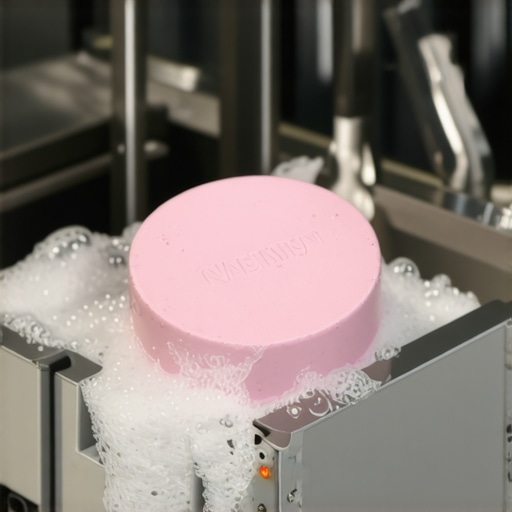
It was a Saturday morning when I finally lost patience. My dishes were piling up, and I knew the new detergent tablet I’d bought should have taken care of everything. But instead of a sparkling load, I opened the dishwasher to find half-melted soap clinging stubbornly to the door and not a single plate squeaky clean. That lightbulb moment made me realize—something was seriously wrong.
Decoding the Dishwasher Dilemma
Having dealt with countless appliance issues, I can tell you that soap tablets not dissolving is a surprisingly common headache. It’s frustrating because it feels like an appliance problem, but often, the culprit is something simple. Today, I’ll walk you through the main reasons your detergent isn’t doing its job and, more importantly, how to fix it yourself.
Imagine this: you toss in your tablet, hit start, and hope for the best. But by the end of the cycle, you notice your dishes are still stained or, worse, still coated in soap residue. It’s a waste of money and patience. The good news? Most of these issues are fixable with a bit of troubleshooting and some insider tips that I’ve gathered over my years of fixing appliances.
Concerned if this is really a problem worth fixing?
Let me assure you, it’s more common than you think. Many homeowners just accept it as normal, but it’s a sign that your dishwasher isn’t operating efficiently. Ignoring the issue could lead to even more significant problems down the line, like resistant mold or damage to internal parts. Early diagnosis makes all the difference.
Early in my troubleshooting, I made a critical mistake—I assumed the dishwasher just wasn’t powerful enough or that I needed a new model. But it was a simple issue with water temperature, which I neglected to check. Did you know that water temperature plays a vital role in dissolving dishwasher detergent? According to appliance experts, water that’s too cold can cause tablets to stay intact, leading to poor cleaning performance. You can learn more about how temperature affects dishwashing [here](https://discountappliancehub.com/why-your-dishwasher-still-has-water-in-the-bottom-after-running).
Now that you understand why this problem happens, let’s get into the practical steps you can take today to ensure your detergent dissolves properly and your dishes come out spotless every time. No more guessing games—just straightforward solutions that actually work.
Check Water Temperature Before Anything Else
Start by measuring your dishwasher’s water temperature with a reliable thermometer. Ideally, it should be around 120°F (49°C). If it’s lower, your detergent won’t dissolve properly. To fix this, locate your water heater thermostat and turn the temperature up. Remember, increasing water temp helps tablets melt completely, preventing residue buildup and ensuring cleaner dishes.
Inspect the Water Inlet Valve for Blockages
Next, turn off your dishwasher and disconnect it from power and water supply. Remove the lower panel and locate the water inlet valve. Check for clogs or debris that could restrict water flow. Clean or replace if necessary. Adequate water flow is essential for dissolving detergent tablets efficiently. If you notice low water pressure, it might be time to replace the inlet filter or increase your home’s water pressure.
Practical Tip from Experience
Once, I found that the inlet filter was clogged with mineral deposits, causing weak water flow. After cleaning it with vinegar and a brush, my tablets dissolved perfectly, and cleaning quality improved immediately. This quick fix saved me from buying new appliances or changing the dishwasher.
Adjust the Detergent Tablet Placement
The position where you place the tablet matters. Always put it in the main dispenser, not in the utensil basket or elsewhere, which might block water flow. Make sure the dispenser door isn’t blocked or frozen shut—they can prevent tablets from dissolving. Observe during a cycle if the dispenser opens properly; if not, cleaning or replacing the dispenser assembly might be necessary.
Ensure Your Dishwasher’s Spray Arms Are Unclogged
Blocked spray arms will reduce water circulation, hindering tablet dissolution. Remove and inspect the spray arms, looking for lodged debris or mineral build-up in the nozzles. Clear out any obstructions with a toothpick or small brush. Regularly cleaning spray arms keeps water flowing freely, ensuring your detergent melts completely for effective cleaning.
Review Your Dishwasher’s Maintenance Schedule
Neglecting routine maintenance can lead to buildup and poor performance. Periodically clean the filter and run a cleaning cycle with hot vinegar or specialty dishwasher cleaner. This removes mineral deposits and soap scum, promoting better water flow and tablet dissolution. Not doing so might result in persistent soap residue and mineral streaks on your dishes.
Identify Hidden Issues with Water Drainage
If your dishwasher isn’t draining properly, residual water can dilute or prevent fully dissolving new tablets. Check the drain hose for kinks or clogs, and clean the filter at the bottom of the sump area. Proper drainage ensures fresh water is available for each cycle, which is vital for dissolving tablets effectively. For more troubleshooting tips, visit this guide.
Test After Making Adjustments
Run a short cycle with a new tablet placed correctly. Watch if the tablet dissolves completely and the dishes come out spotless. If issues persist, consider checking the water heater settings again or consulting a professional. Often, these simple steps will resolve most tablet dissolution problems, saving you money and frustration.When it comes to same-day appliance repair and installation, many homeowners operate under a set of assumptions that can actually hinder their understanding and expectations. Contrary to popular belief, not all promises of quick service are created equal, and warranties often carry nuances that are overlooked by the average consumer. Let’s explore some common misconceptions and the sophisticated truths behind them.
Why Speed Doesn’t Always Signal Quality in Same-Day Service
Many customers equate rapid turnaround times with superior service, but in my experience, rushing can inadvertently lead to overlooked details or incomplete repairs. A professional technician might take a bit longer to ensure that the root cause is correctly diagnosed and addressed, ultimately saving you time and money in the long run. For example, a quick fix might temporarily solve a problem but fail to address underlying issues like faulty wiring or worn-out components, which could cause recurring failures. Studies by the National Appliance Service Association indicate that a balanced approach—combining speed with thoroughness—ensures durability and customer satisfaction.
Beware the Warranty Trap
It’s a common misconception that warranties cover all damages or repairs without exceptions. Many people believe that if an appliance fails within the warranty period, repairs are free, but the fine print often reveals limitations. For instance, many warranties exclude damage caused by improper installation, neglect, or use of aftermarket parts. An advanced tip is to carefully examine warranty documents and keep detailed records of any maintenance or repairs, as [professional service providers](https://discountappliancehub.com/how-to-prove-your-recent-diy-maintenance-didnt-void-the-warranty) suggest. Understanding these nuances can prevent unpleasant surprises when a covered repair turns out to be excluded.
What About Installation and Repairs That Void Your Warranty?
This is a crucial point many consumers overlook. Unauthorized repairs or DIY fixes can inadvertently void your warranty, leaving you unprotected when problems arise. For example, installing a new range without proper leveling or ignoring manufacturer instructions can invalidate warranty coverage. To avoid this, always use licensed professionals who understand manufacturer specifications and document the work meticulously. Sometimes, seemingly minor mistakes, like improper coil cleaning or incorrect connections, can impact warranty validity, as explained in detailed guides available online.
Have you ever fallen into this trap? Let me know in the comments.
In conclusion, understanding the subtleties of same-day service timelines and warranty clauses isn’t just about protecting your investment—it’s about making informed decisions that ensure lasting performance. Don’t be swayed solely by quick promises; take the time to read the fine print and consult seasoned experts to maximize your appliance’s lifespan and your peace of mind.When it comes to keeping your appliances running smoothly over the long term, having the right tools isn’t just helpful—it’s essential. Over the years, I’ve discovered that specific equipment can make all the difference in diagnosing issues quickly and ensuring lasting results. For instance, a quality digital multimeter is a cornerstone in my toolkit, allowing me to measure voltage, current, and continuity with precision, which helps identify faulty wiring or failing components before they cause bigger problems.
Similarly, a specialized screwdriver set designed for appliances simplifies access to tricky screws and fasteners, reducing the risk of stripped heads or damage. I personally rely on a set that includes insulated screwdrivers, which provide safety when working around live circuits. This not only protects me but also ensures I don’t inadvertently short-circuit sensitive parts, leading to costly repairs or voided warranties.
How do I maintain tools and keep everything performing over time?
Proper tool maintenance is crucial. Regularly cleaning your screwdrivers with alcohol-based wipes prevents corrosion, while keeping your multimeter’s probes clean ensures accurate readings. Additionally, investing in a storage case with compartments helps organize tools and prevents loss, saving time during troubleshooting sessions.
As technology advances, new diagnostic tools are entering the market, like wireless sensor testers and apps that interface with smart appliances for remote diagnostics. I predict this trend will continue to evolve, providing even more accurate and faster maintenance options for homeowners and professionals alike. Embracing these innovations now can give you an edge in both repair speed and reliability.
Before I wrap up, I want to recommend a specific technique that can improve your troubleshooting: use a non-contact voltage tester to quickly check for live wires without dismantling parts. It’s a safety game-changer and saves time. For detailed guidance on choosing the right tools for your appliance repair needs, check out this [specific screwdriver](https://discountappliancehub.com/the-specific-screwdriver-you-need-for-most-appliance-repairs). Remember, high-quality tools and regular maintenance of them extend their lifespan and help you get reliable results every time. If you haven’t already, try incorporating a digital multimeter into your toolkit today—it’s a small investment for long-term peace of mind.
Lessons That Changed My Approach to Appliance Repairs
One of the most eye-opening lessons I’ve learned is that rushing through repairs can often cause more harm than good. A quick fix might save time temporarily but can lead to recurring problems if underlying issues are ignored. This realization helped me prioritize thorough diagnostics over speed, ensuring lasting solutions rather than temporary patches. Additionally, I discovered that clear communication with clients about warranty limitations prevents misunderstandings and builds trust. Finally, understanding that routine maintenance—like cleaning filters or checking connections—can dramatically extend appliance lifespan was a game-changer, teaching me the value of proactive care over reactive fixes.
Tools and Resources That Make the Difference
Over the years, I’ve come to rely on specific tools that streamline diagnostics and repair work. A high-quality digital multimeter is essential for accurate electrical testing, helping me identify faults quickly. The precision screwdriver set I trust contains insulated tips designed for appliance components, reducing damage risk. For troubleshooting guides, I turn to trusted sources like this comprehensive screwdriver guide and online forums filled with experienced professionals. Lastly, investing in a reliable water thermometer helps me ensure water temperature aligns with best practices, especially for dishwashers and washers, which is critical for proper functioning.
Ignite Your Confidence: Take Action Today
Empowering yourself with knowledge and the right tools can truly transform how you handle appliance challenges. Remember, every repair is an opportunity to learn something new and reinforce your skills. Don’t let hesitation hold you back—start small, practice regularly, and celebrate each successful fix. As you grow more confident, you’ll find that tackling complex issues becomes less intimidating, and your appliances will thank you for your diligence. Now is the perfect moment to embrace proactive maintenance and become the go-to expert in your home or community for same-day service and appliance repairs. Take that first step today and enjoy the satisfaction of problem-solving with confidence!
What unexpected lesson has changed how you approach appliance repair or installation? Share your story below—I’d love to hear your experiences!