
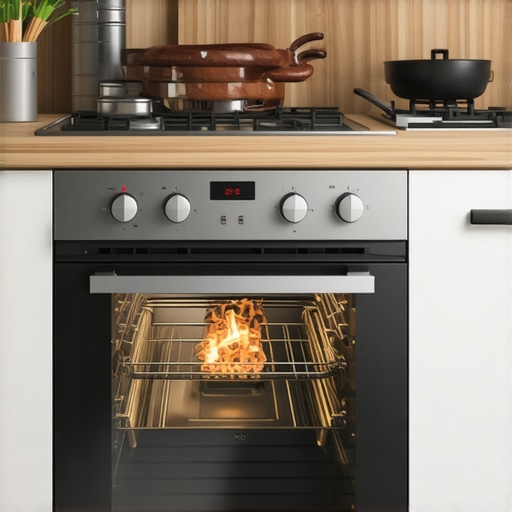
Have you ever stood in front of your gas oven, ready to cook, only to wait what feels like an eternity for it to finally light up? That frustrating delay—sometimes taking around 20 minutes—can turn meal prep into a test of patience and sanity. I know the feeling all too well. I once spent more time waiting for my oven to ignite than actually cooking, and it was beyond irritating. It was a real lightbulb moment for me: there’s got to be a reason behind this sluggish startup, and more importantly, a way to fix it.
Understanding the Reasons Your Gas Oven Takes Forever to Light
It’s easy to think your oven is just a stubborn old appliance. But honestly, that delay is often a sign of something getting out of whack—like a clogged or malfunctioning pilot light or ignition system. When I first encountered this issue, I assumed it was normal and just dealt with the wait, but the truth is, it’s often something fixable, saving you money and hassle in the long run. According to appliance experts, such delays can be caused by a variety of issues, including dirty burners, faulty igniters, or even gas flow problems. Did you know that improper gas pressure can significantly affect ignition times? A study from the Appliance Repair Institute explains that airflow and pressure imbalances are common culprits behind slow or failed ignitions.
Is It Really Worth Troubleshooting a Slow-Starting Oven?
Admittedly, I was skeptical at first—thinking, “It’s old, probably just needs replacing.” But I made a mistake early on by ignoring small signs like sluggish ignition, which can lead to more serious problems if left unaddressed. I learned that a quick inspection and some basic maintenance could restore my oven’s performance without the cost of a new one. If you’ve faced this irritating issue, I promise we’ll walk through some practical steps to get your oven firing up faster, so your cooking routine isn’t marred by unnecessary wait times or safety concerns.
Ready to demystify why your gas oven takes so long to ignite and learn how to fix it? Let’s dive into the common causes and easy solutions that will make your appliance reliable again—and maybe even improve its efficiency.
,
Test and Clean the Ignition System
Begin by turning off the oven and disconnecting it from power. Remove the oven racks and locate the igniter, usually near the burners. Visually inspect for dirt, debris, or corrosion. Use a soft brush or compressed air to gently clean the igniter and surrounding area. A dirty igniter can struggle to generate the necessary sparks, much like trying to light a match with damp fingers. I once cleaned my igniter with a small toothbrush and a bit of rubbing alcohol, which immediately improved the ignition time.
Check the Gas Supply and Pressure
Ensure that the gas valve is fully open and there are no obstructions in the gas line. If your gas supply is inconsistent or low pressure, ignition delays will occur. You can verify gas pressure with a manometer or contact your gas provider if you suspect pressure issues. Think of it like a watering hose: low pressure results in weak flow, making it harder to ignite and keep the flame burning. If you notice gas leaks or irregular sounds, contact a professional immediately.
Replace or Repair the Igniter if Necessary
If cleaning doesn’t fix the delay, the igniter may be faulty. A failing igniter often glows dimly or not at all. To replace it, disconnect the power again, remove the faulty igniter, and install a compatible new one — which can be ordered online or through a repair shop. Remember, a weak igniter produces weak sparks, akin to trying to light a stove with a smoky match. Once replaced, test the oven; you should see rapid ignitions, saving you from frustrating waits.
Verify the Safety and Gas Flow Post-Repair
After repairs, turn the gas back on and reconnect power. Light the oven and observe the ignition process. It should light within a few seconds, not minutes. If issues persist, consider inspecting the temperature sensor or the oven control board, as they can also affect ignition timing. For more complex faults, seeking same-day service might be your best bet. To stay connected and ensure safety, check your smart home network’s security after repairs, especially if your oven is Wi-Fi enabled — more at this guide.
Prevent Future Ignition Problems
Regular maintenance can prevent delays. Clean burners and igniters every six months, especially if you notice rough lighting or delayed ignition. Make sure your gas lines are clear of obstructions, and avoid using harsh chemicals that could damage sensitive components. Think of your oven as a car engine: routine check-ups help it run smoothly and avoid breakdowns. If your oven’s performance deteriorates despite maintenance, it might be time to consult an expert. For specialized fixes, remember that warranties and professional repairs often go hand-in-hand, and proper installation ensures long-term reliability.
Many homeowners believe that appliance warranties cover every possible repair issue, but this is a common misconception. In reality, most warranties exclude damage caused by improper installation or neglecting routine maintenance. For instance, a faulty drain pump might be covered, but if you ignore the buildup of debris or forget to clean filters regularly, you could void your warranty altogether. Understanding the fine print can save you money and frustration in the long run. Conversely, trusting that same-day service will always solve your problem instantly can be misleading. While many companies promise quick repairs, actual turnaround times depend on parts availability and technician schedules. Rushing into repairs without proper diagnostics may lead to unnecessary expenses or improper fixes. Did you know that attempting complex repairs without proper tools or experience can cause more harm than good, possibly damaging sensitive components? It’s worth noting that a common myth is that appliance repair is always costly and complicated. In fact, some advanced issues require a nuanced approach—like identifying the root cause of intermittent ice maker leaks or erratic fridge display boards—rather than just replacing parts blindly.
How Can You Tell If Your Repair Technician Really Knows Their Stuff?
To assess a technician’s expertise, look for certifications from recognized organizations and ask about their experience with specific brands or models. A knowledgeable technician will perform thorough diagnostics, explain their findings clearly, and suggest solutions tailored to your appliance’s needs. External sources, such as appliance industry guidelines, emphasize the importance of certified professionals who follow standardized procedures, which reduces the risk of invalidating warranties or causing further damage. Remember, a repair is only as good as the diagnostic process—skipping this step can lead to recurring issues and additional costs. Always ask for detailed explanations and check online reviews before scheduling a service. Have you ever fallen into this trap? Let me know in the comments.
Investing in Reliable Tools for Long-Term Success
When it comes to maintaining and repairing appliances, having the right tools can make all the difference. I personally swear by a high-quality digital multimeter, like the Fluke 117, because it provides precise readings and durability that stand up to frequent use. This tool is indispensable for diagnosing electrical issues in appliances such as dishwashers or ovens, allowing me to quickly identify faulty wiring or components without guesswork.
Another essential tool I rely on is a set of insulated screwdrivers. They provide safety and leverage, especially when working with live circuits or delicate components. For example, when replacing a worn-out ignition module in a gas oven, precise screwdriver work ensures no damage occurs, and the task is completed efficiently.
Embracing Software and Diagnostic Apps
Beyond physical tools, diagnostic software has become a game-changer. On models equipped with smart features, I use manufacturer-specific apps to troubleshoot issues remotely. These apps often provide error codes, system status updates, and repair tips, saving time and eliminating unnecessary parts replacements. As technology progresses, I predict that integrating IoT diagnostics directly into appliances will become standard, empowering homeowners and technicians alike.
Implementing Preventative Maintenance Routines
The key to keeping appliances running smoothly is regular maintenance. For instance, cleaning filter screens in washing machines prevents drainage errors, which I detail in this guide. Similarly, inspecting and sealing gaps in refrigerator door gaskets can prevent energy loss and prolong appliance lifespan. Creating a checklist for monthly inspections ensures that minor issues don’t escalate into costly repairs later on.
Planning for Scaling and Future Upgrades
As your needs evolve, upgrading systems becomes inevitable. When considering scaling, focus on compatible, modular components. For example, adding a smart thermostat to your HVAC system can optimize energy efficiency and provide convenience. I recommend researching compatibility thoroughly, as outlined in expert advice from the Air-Conditioning, Heating, and Refrigeration Institute. This foresight helps prevent unnecessary replacements and maximizes the value of your investments.
How do I maintain appliance performance over time?
Establishing a routine that includes cleaning filters, inspecting belts and hoses, and scheduling professional inspections annually can significantly extend your appliances’ lifespan. Using tools like a moisture meter or thermal imaging camera can help detect hidden issues early. For instance, a thermal camera can reveal uneven heating in your oven or hot spots in your fridge coils, preventing breakdowns before they happen. Staying proactive not only reduces repair costs but also ensures your home runs smoothly and safely.
If you’re interested in a specific tip, try calibrating your oven thermostat with a digital thermometer. This simple step can improve cooking accuracy and energy efficiency, saving you from costly over- or under-cooking. Remember, investing in the right tools and maintenance strategies today ensures reliable performance tomorrow—and keeps your appliances humming along for years to come.
Lessons a Repair Veteran Wishes They Knew Sooner
- Over years of troubleshooting, I realized that a stubborn gas oven often whispers early warnings through delayed starts—igniter wear or subtle gas pressure drops, not just age, are usually at play. Ignoring these signs costs you more in repairs and safety risks than catching them early.
- Investing in quality diagnostic tools, like a reliable multimeter, transformed my repair approach. They turned guesswork into precision, revealing hidden electrical issues that cause slow ignitions, which I might have mistaken as minor glitches if I relied only on visual cues.
- Understanding the nuances of gas flow is a game-changer. Small obstructions or pressure inconsistencies often go unnoticed until they cause a frustrating delay. Regular checks with a good manometer have saved me countless service calls and kept my appliances safe.
Tools and Resources That Elevate My Fixes
- My favorite is the Fluke 117 multimeter—its accuracy and durability mean I can confidently diagnose electrical faults in igniters and control boards without second-guessing. Trust me, a quality multimeter is a must-have for anyone serious about appliance repair.
- For cleaning delicate igniters, I swear by a small, soft-bristled toothbrush combined with rubbing alcohol. It’s simple but highly effective, restoring ignition sparks and saving the cost of replacements.
- I’ve also come to rely on manufacturer-recommended repair guides, like those found on appliance-specific forums. They offer in-depth insights that help me avoid common pitfalls and ensure my repairs hold up over time.
Embrace the Challenge and Improve Daily
If you’re tired of waiting forever for your gas oven to light, know that the solution is within reach. By learning to diagnose and fix ignition delays, you not only gain confidence but also extend your appliance’s life and safety. The journey to a quick-lit oven starts with small steps today—don’t let frustration keep you from mastering your home’s heart of cooking. Dive into your repair project, stay curious, and remember: each fix is a step toward becoming more self-sufficient and home-smart. What’s the first repair step you’re planning to try? Share your thoughts below!< p>