
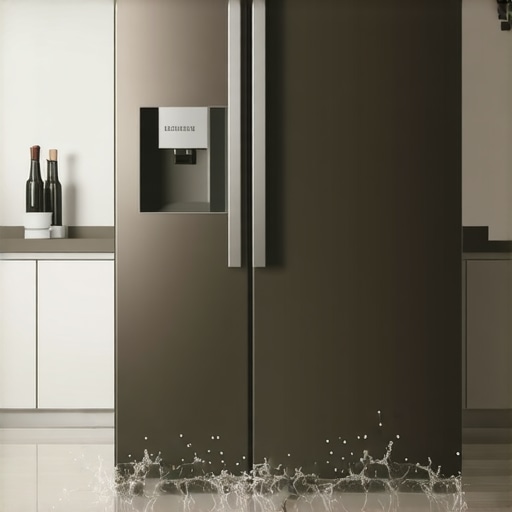
It was late one evening when I opened my fridge and noticed a small puddle forming at the bottom front. Initially, I brushed it off, thinking I might have spilled something. But as days went by, the leak worsened, turning my kitchen into a mini swimming pool. That moment—a mix of frustration and concern—was my lightbulb moment. I realized that a seemingly small issue could hint at much bigger problems with my beloved appliance.
Spotting the Water Leak: Why So Frustrating?
Leaks from the bottom front of your refrigerator are more common than most homeowners care to admit. They can cause water pooling, mold growth, and even damage your flooring. The tricky part? Pinpointing exactly where the water is coming from without pulling out the entire unit or calling a technician. That’s where understanding the causes and signs before the problem worsens becomes essential.
Is Water Leaking From the Front Really Worth the Headache?
When I first faced this mess, I was tempted to ignore it, hoping it would resolve on its own. That was a mistake. Early on, I made the rookie error of assuming the leak was just a spill or a minor drain issue. Later, I learned that ignoring such leaks can lead to bigger problems, like frozen defrost drains or a faulty ice maker. Trust me, addressing these issues early can save you money and prevent your fridge from breaking down entirely.
For some quick insights, I recommend checking out “[Why Your Refrigerator Is Leaking Water Into the Crisper Drawers](https://discountappliancehub.com/why-your-refrigerator-is-leaking-water-into-the-crisper-drawers)” which explains common causes in detail. Understanding these can help you identify whether you’re dealing with a simple clog or a more complex component failure.
So, have you ever woken up to find your kitchen soaked because of a mysterious water leak from your fridge? If so, you’re not alone. Many homeowners face this silent nuisance, but with a bit of know-how, you can troubleshoot and fix it yourself or know when to call in an expert.
Armed with this initial understanding, let’s dive into the practical steps you can take to identify the root cause and get your fridge back to normal—dry and functional.
Empty and Clear the Surroundings Before Starting
Start by unplugging your refrigerator to ensure safety. Move items away from the area at the base to prevent water damage or accidents. This initial step clears your workspace and prevents mishaps—think of it like clearing debris before fixing a garden hose leak. I once cleared my kitchen counter and found a small spring of water seeping from the drain pan, which I then cleaned thoroughly.
Locate the Leak Source Accurately
Check the Drain Hole and Drain Pan
Open your fridge and examine the drain hole, usually located at the back or bottom. Use a flashlight for better visibility. If you see debris or ice blocking the drain, it’s likely causing water to overflow and leak at the base. I used a syringe filled with hot water to flush out my clogged drain, which cleared the blockage and stopped the leak immediately.
Inspect the Drain Tube and Connections
Follow the drain tube from the drain pan to the compressor area. Look for cracks or disconnections. If it’s loose or cracked, replacing or sealing it can resolve ongoing leaks. I once replaced a cracked section of the drain tube with a flexible silicone hose, restoring proper drainage and eliminating water pooling.
Clear Blockages to Prevent Clogs
Use warm water mixed with a mild detergent or vinegar solution with a turkey baster or syringe to flush the drain. This loosens stubborn debris or ice causing the clog. In one case, I manually removed an ice block by gently melting it with a hairdryer, then flushed the drain to prevent re-clogging. Regular maintenance like this can save you from future leaks.
Ensure Proper Drain Pan Positioning
Check that the drain pan beneath the refrigerator is correctly aligned and secured. If it’s out of position, water can spill and leak. I found that re-positioning the pan was a quick fix—just slide it back to its proper place, and the leak ceased. Remember, an improperly seated pan can lead to persistent water pooling.
Seal Cracks and Loose Fittings
If you find any cracks in the drain tube or leaks around connections, seal them with an appropriate appliance-safe sealant. For minor cracks, replacing the part altogether might be more effective. I learned this lesson when sealing a tiny crack in my drain tube prevented a recurring leak, saving the cost of a new part.
Test the Repair and Monitor
Re-plug the appliance and run a simple defrost cycle or manually pour water into the drain to observe how it drains. Keep an eye on the base for any leaking signs. When I tested my repair, the water drained smoothly without pooling—an indicator that my fix was successful. Routine checks help catch leaks early before they cause damage.
Regular Maintenance to Prevent Future Leaks
Schedule periodic inspections of the drain hole and pan. Keep the area clean and debris-free. Consider applying a small amount of white vinegar in the drain to prevent mold buildup. A simple routine I adopted reduced my leak incidents dramatically, ensuring my fridge stayed dry and functional.
Many homeowners assume that an appliance warranty or same-day service guarantees a hassle-free solution, but the reality is often more nuanced. A common misconception is that warranties automatically cover all repairs without issue, yet in practice, they frequently come with fine print that excludes certain damages or demand specific maintenance routines. For instance, some believe that simply registering the product secures comprehensive coverage, but without understanding the precise terms—like coverage limits or required professional repairs—you might find yourself out of luck when a problem arises.
Another pitfall is relying solely on “same-day” repair promises. While tempting, these services can sometimes prioritize quick fixes over thorough diagnostics, leading to recurring issues. A seasoned technician knows that rushing repairs can cause overlooked faults, potentially resulting in more costly damage down the line. Furthermore, many underestimate the importance of proper installation. Even a high-quality appliance can malfunction early if not installed correctly—think improper leveling of a washing machine or incorrect electrical connections—which often voids warranties and complicates repairs.
A subtle yet critical nuance lies in understanding the difference between manufacturer warranties and extended service plans. Manufacturer warranties typically cover only defects in materials or workmanship, excluding accidental damage or misuse. Conversely, extended plans may include coverage for issues that arise from daily wear and tear, but they often require strict adherence to maintenance schedules. Ignoring these subtleties can lead to denied claims or unexpected costs.
For example, improper drainage in a dishwasher can stem from incorrect installation that isn’t immediately obvious, and if ignored, it could void your warranty. Similarly, neglecting regular maintenance like cleaning condenser coils in a refrigerator—especially when under warranty—might not directly void coverage, but it can weaken the system, leaving you vulnerable if a failure occurs.
One trap many fall into is believing that warranty providers always handle repairs with OEM parts. In reality, some service companies opt for aftermarket components to cut costs, which might not meet the warranty standards and could void coverage. Always verify whether the repair service uses genuine parts—this links back to understanding your warranty’s fine print.
A savvy homeowner recognizes that warranties, quick service promises, and proper installation are interconnected pieces of a puzzle. Trusting blindly in any one aspect without understanding the technical details can lead to nasty surprises. Instead, reading the warranty terms carefully, scheduling professional installation, and requesting detailed diagnostics during repairs are steps that can save you headaches later.
Have you ever fallen into this trap? Let me know in the comments.
Want to avoid costly mistakes? Regular maintenance and clear communication with your service provider make all the difference. For instance, addressing minor issues before they escalate can extend your appliance’s lifespan and ensure your warranty remains intact. Also, familiarize yourself with the specifics of your warranty—sometimes, a small detail can prevent a big expense. Remember, an informed homeowner is an empowered one.
Invest in Quality Tools for Long-Term Success
Keeping your appliances in top shape doesn’t require a professional degree, but having the right tools makes all the difference. I personally swear by a quality, magnetic-tip screwdriver like the specialized screwdriver needed for most appliance repairs. Its precision and durability allow me to work confidently, especially when dealing with delicate electronics or tightly secured screws. Additionally, a multimeter is invaluable for diagnosing electrical issues, helping you determine if a component is functioning properly before replacing it.
Adopt Smart Maintenance Habits
Regular maintenance not only extends the lifespan of your appliances but also saves money in the long run. For example, routinely inspecting your refrigerator’s drain pan and drain hole, and flushing them with warm vinegar solution, can prevent leaks and buildup. Remember, consistency is key; schedule monthly checks and cleaning sessions. An easy yet effective method is to keep a maintenance log—documenting your actions ensures nothing slips through the cracks and helps identify recurring issues before they escalate.
Leverage Diagnostic Software and Apps
Modern appliances often come with diagnostic modes or companion apps that can identify faults remotely. I recommend consulting your appliance manuals to see if such tools are available. For instance, some smart refrigerators have built-in self-test features accessible via the control panel, revealing error codes that can guide your repairs or inform your technician. Using these diagnostics can drastically reduce repair times and ensure you address the root cause instead of just the symptoms.
Future-Proof Your Maintenance Routine
As technology advances, so do maintenance tools. Expect wireless connectivity, AI-powered diagnostics, and even augmented reality (AR) interfaces to become part of everyday appliance upkeep. I predict a future where your smartphone or AR glasses can guide you, step-by-step, through repairs, potentially with virtual assistance from technicians. Staying ahead of these trends means investing in compatible devices and learning to interpret diagnostic data early.
Question: How do I maintain appliance reliability over time?
One effective strategy is to combine the right tools with consistent routine inspections. For example, frequently checking and replacing worn seals or filters can prevent larger failures. Incorporate small but targeted actions like cleaning condenser coils or inspecting electrical connections—these minor efforts complement your tools and extend your appliance’s life. For more detailed tips, you might explore articles like these simple maintenance moves. Now, challenge yourself to troubleshoot your refrigerator’s defrost drain with a multimeter and the specialized screwdriver—you’ll gain confidence and save on costly repairs.
What I Wish I Knew About Warranty and Service Before Facing My Leak
One of the biggest surprises I learned from dealing with appliance leaks is how complex warranty coverage can be. I once believed that a simple water leak would be covered entirely, only to find out that proper maintenance and timely repairs are crucial to keep warranties valid. This taught me to read the fine print and ask detailed questions about service plans, saving me future headaches.
Another lightbulb moment was realizing that same-day repair services aren’t always comprehensive. Sometimes, quick fixes mask underlying issues that resurface later. Taking time to understand the root causes of leaks and diagnosing them thoroughly ensures long-term peace of mind—and better appliance health.
Installing appliances wrongly can also void warranties unexpectedly. I learned the importance of proper installation, especially leveling and connecting drain components correctly. Now, I always double-check installation guidelines or hire certified professionals, which keeps my warranty intact and my appliances running smoothly.
Lastly, I underestimated the power of routine maintenance. Regularly checking drain pans, cleaning filters, and inspecting connections might seem trivial, but they prevent leaks from escalating into costly repairs. It pays to be proactive instead of reactive—saving money and extending the life of your appliances.