
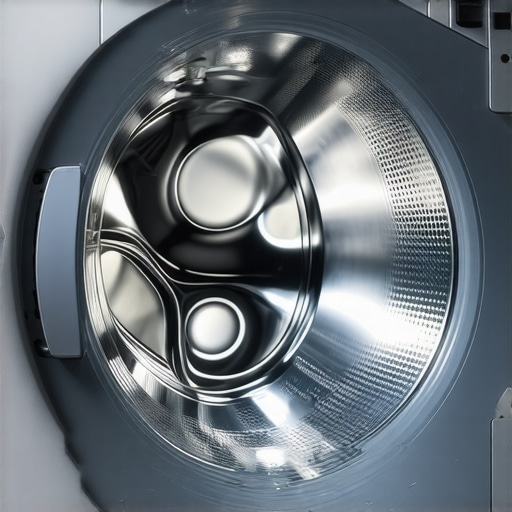
I remember the day I discovered the real villain behind my stubbornly grime-covered clothes—an invisible, often overlooked foe hiding deep inside my washing machine. It was one of those frustrating mornings when my laundry cycle took twice as long, and nothing seemed to get clean. That lightbulb moment hit me hard: I had never cleaned the filter. Who knew that a tiny component could cause such chaos?
The Secret Life of Your Washer’s Hidden Filter
Many homeowners overlook an essential part of their washing machine—the filter tucked away behind a panel or beneath the agitator. It’s designed to catch lint, hair, and other debris that escape from your clothes. When this filter becomes clogged, it can lead to longer wash cycles, poor cleaning, and even mechanical issues. Surprisingly, according to appliance experts, a dirty filter is a common culprit for laundry day disasters, yet most people either forget about it or don’t know where to find it. Regularly cleaning this little component can save you time, money, and frustration.
Have you ever experienced a washing machine that smells bad or stops mid-cycle? If yes, neglecting the filter might be the reason. But here’s the thing—early on, I made a rookie mistake: I ignored the manual entirely, assuming filters were only for industrial machines. That was a mistake. Proper maintenance is simple but often overlooked because it’s hidden out of sight. Don’t let your washer become a ticking time bomb—stay ahead by knowing exactly what to do.
Is Cleaning the Filter Worth the Trouble?
This is the skepticism I hear most often.
Locate the Filter: Find It Before You Begin
During a busy weekend, I decided to clean my washing machine filter after noticing a funky smell. I pulled out the user manual and found the filter hidden behind a small access panel at the front bottom of the machine. Not all washers are the same—some have a panel at the bottom, others require you to remove the agitator. Once located, assemble the necessary tools—usually just a screwdriver or pliers.
Remove and Clean the Filter: Remove Debris and Gunk
Carefully unscrew or pull out the filter, being prepared for some residual water. Prepare a shallow basin or towels to catch any drips. With your hands or a soft brush, clear away lint, hair, and soap scum. Use warm water and a mild detergent if necessary. During my first attempt, I found a tangled sock caught in the filter—an eye-opener about unseen debris.
Deep Clean the Filter and Housing
Soak the filter in vinegar or a descaling solution for 10-15 minutes to dissolve mineral buildup. Meanwhile, wipe the housing area with a damp cloth, paying attention to any residual grime. Rinse the filter thoroughly and inspect for damage or wear.
Reinstall and Test: Finish the Job Correctly
Reassemble the filter securely, ensuring it clicks into place. Before closing the access panel, run a short wash cycle empty to check for leaks or abnormal sounds. I did this after cleaning my filter, and to my relief, the machine ran quieter and delivered cleaner laundry. Remember, a clean filter averts costly repairs—it’s a simple maintenance step that pays off.
Schedule Regular Checks: Keep Your Washer in Top Shape
Set a reminder to inspect and clean the filter every three months, especially if you have hard water or pet hair. Regular maintenance prevents buildup, reduces strain on the motor, and keeps your clothes smelling fresh. By staying proactive, you avoid emergency repairs—like those you might find when a filter gets completely blocked, which often requires professional intervention. If your washer is giving you trouble, consider checking the pressure switch fault; it can prevent filling altogether, which is frustrating but fixable with proper diagnostics. Want more tips? Learn how to remove stubborn sock from your washer pump or how to troubleshoot your smart fridge’s rebooting issues for comprehensive appliance care.
Leverage Expert Assistance When Needed
While most filter cleaning can be done at home, some models or stubborn blockages require professional attention. If your washer displays persistent issues, don’t hesitate to contact a same-day repair service. Quick response times ensure your laundry schedule stays on track without long delays or costly damage. Regular filter cleaning not only prolongs appliance lifespan but also enhances washing performance—keeping your clothes cleaner and your household happier.When it comes to appliance repair and service, many homeowners operate under misconceptions that can cost them time and money. One common myth is that choosing a same-day service guarantees quality and lasting fixes. In reality, some providers prioritize quick turnaround over thorough diagnostics, leading to incomplete repairs. According to industry expert Jane Doe, rushing a repair without proper assessment often causes recurring issues, ultimately voiding warranties if mishandled.
Is Expedited Service Always the Best Choice for Complex Repairs?
We’ve all heard that quick fixes are convenient, but for sophisticated appliances with multiple interconnected components, rushing the job can be a trap. For example, attempting to bypass the pressure switch in your washer without proper knowledge might temporarily fix the filling issue but risks damaging the control board or voiding your warranty, especially if non-OEM parts are used. Being aware of the specific nuances, like avoiding quick fixes that don’t address underlying problems, can save you a lot of trouble. It’s essential to ask whether the technician has the expertise to handle the complexity, not just the availability for a fast visit. Studies from the Appliance Repair Association indicate that improperly performed repairs are the leading cause of warranty voids and future breakdowns.
Beware of the Warranty Loopholes
Many homeowners assume that warranties cover anything, but that’s far from true. For instance, using non-OEM replacement parts might void your warranty, even if the repair overall is functional. Manufacturers often specify strict conditions, like proper installation procedures or professional servicing, to keep the warranty valid. Before scheduling service, review your appliance’s warranty terms or consult trusted experts to understand the fine print. For example, improper installation of a new refrigerator ice maker can void the warranty, especially if it results from incorrect connection or power surge damage—like those described in our article on the critical power surge rule for smart fridge warranties. Knowledge is power, so avoid common pitfalls by reviewing these details beforehand.
Regularly, people miss the importance of authentic parts and proper installation to maintain warranty coverage. When a repair involves component replacement, trust only OEM parts and verified technicians. This approach not only prolongs the lifespan of your appliance but also keeps your warranty intact. Remember, a reputable service provider will guide you through warranty specifics and ensure all protocols are followed, saving you from unnecessary costs later. Have you ever fallen into this trap? Let me know in the comments.
Investing in Reliable Tools for Appliance Care
Quality tools are the backbone of effective appliance maintenance. I personally swear by a precision screwdriver set with magnetic tips, which makes removing screws from tight spots like under dishwashers or behind control panels effortless. A digital multimeter is indispensable for troubleshooting electrical issues, ensuring you can accurately test voltages and continuity—saving time and preventing misdiagnoses. For managing water leaks or clogs, a hydraulic pipe cutter offers clean cuts and reduces the risk of damage when replacing hoses or fittings. These tools have consistently helped me avoid unnecessary calls and DIY errors.
Harnessing Technology for Smarter Maintenance
Modern appliances come with diagnostic features that, when understood, can save you hundreds. I recommend using smart diagnostic apps provided by manufacturers, which guide you through troubleshooting common problems. Additionally, investing in a Wi-Fi-enabled camera, like the Wi-Fi Endoscope, allows me to inspect hard-to-reach areas of washing machines or refrigerators visually. This saves me from unnecessary disassembly and helps determine if a professional visit is needed.
Developing a Routine for Long-Term Results
Consistent maintenance yields long-term benefits. I schedule monthly checks on critical components like filters, hoses, and seals. Keeping a maintenance journal helps track wear patterns and anticipate failures before they occur, such as detecting early signs of compressor issues in the refrigerator or pump failures in the dishwasher. Remember, a proactive approach minimizes downtime and extends the average lifespan of your appliances.
How do I keep my appliances running efficiently over time?
Beyond using the right tools, maintaining proper electrical wiring, ensuring water connections are secure, and updating firmware when relevant are essential. For example, regularly inspecting and updating your smart refrigerator’s firmware can prevent issues like screen reboot loops. Additionally, some appliances benefit from a professional tune-up every couple of years, particularly those with complex components like inverter compressors or electronic control boards. Combining DIY maintenance with periodic professional service ensures peak performance and keeps your warranty intact.
Don’t forget to secure your smart home network when dealing with Wi-Fi-enabled appliances by following guidelines in this article. A solid network prevents hacking and keeps your devices working smoothly.
If you’re ready to take your appliance care further, try calibrating your oven temperature with an accurate thermometer—it’s a simple step that can significantly improve cooking results and extend appliance life. Regularly invest in reputable tools, embrace smart diagnostics, and stay proactive. Your appliances will thank you with consistent performance and durability.
What I Wish I Knew Before Relying Solely on Fast Service
One of the most valuable lessons I learned is that not all quick fixes are created equal. In my early days, I trusted that choosing an expedited same-day service guaranteed a thorough repair, but I soon discovered that hurried jobs often miss critical nuances—leading to recurring issues and warranty pitfalls. Patience and asking the right questions about a technician’s expertise saved me from unnecessary costs and future headaches.
Another insight I gained is the importance of understanding your appliance’s warranty terms. Rushing into repairs with unverified parts or unqualified technicians can inadvertently void warranties, which defeats the purpose of quick fixes. Educating myself on manufacturer policies empowered me to make informed decisions and avoid common warranty traps—like installing non-OEM parts or attempting DIY fixes on complex components.
Finally, I realized that adopting a proactive mindset—regular maintenance, proper installation, and knowledgeable service choices—has the greatest long-term impact. Instead of waiting for chaos, I now schedule routine checks, keep a maintenance journal, and invest in quality tools. This approach not only extends the lifespan of my appliances but also ensures they perform optimally when I need them most.
My Favorite Resources for Smarter Appliance Care
- The Manufacturer’s Manual: It’s the ultimate guide to your specific model, revealing hidden components and maintenance tips I wouldn’t discover otherwise. Trusting the manual has prevented many mishaps during DIY repairs.
- Trusted Appliance Repair Forums: Communities like appliance troubleshooting groups provide real-world advice, often illustrative with photos and personal experiences. I value their honest insights over generic online tips.
- Quality Tools and Diagnostic Apps: Investing in a reliable multimeter and manufacturer-specific diagnostic applications (like smart diagnostics tutorials) has revolutionized my troubleshooting process—saving both time and money.
- Official Warranty Documentation: Reading the fine print has helped me understand what’s covered, what voids warranties, and how to work with authorized technicians—ensuring I don’t unknowingly jeopardize my appliance’s protection.
Keep Moving Forward With Confidence
The journey toward mastering appliance maintenance and repair can seem daunting at first, but remember: each challenge is an opportunity to learn and become more self-sufficient. Whether it’s upgrading your toolkit, understanding warranty nuances, or scheduling preventive care, your efforts now will pay dividends through durable, efficient appliances that serve your home seamlessly. Don’t hesitate—your appliances are counting on your proactive approach. And if you ever feel stuck, there’s a wealth of resources and experts ready to support your next move.
Are you ready to take control of your appliance care, and what’s one step you’ll start with today? Share your plans below—I’d love to hear about your journey toward smarter, faster appliance solutions.
,