
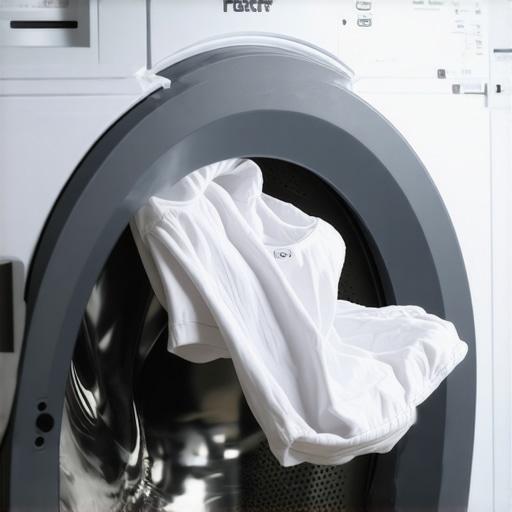
Ever pulled a batch of freshly washed white shirts out of the laundry and noticed streaks of stubborn gray smudges? I remember the first time I saw those weird marks scatter across my pristine whites. At first, I panicked—was it my water, my detergent, or something worse lurking inside my machine? Turns out, that lightbulb moment was the start of a journey to understand my washing machine better—and to finally eliminate those annoying streaks for good.
Owning up to the Mystery of Gray Streaks
Many homeowners face this frustrating issue without realizing that the root cause might be something simple, yet overlooked. My own mistake early on was ignoring basic maintenance and assuming my machine was working flawlessly. Little did I know, buildup and minor mechanical quirks could lead to those unsightly streaks on my favorite whites. If you’re tired of seeing your laundry turn into a grayish canvas, stay tuned. We’re going to unravel the hidden culprits behind this problem and, more importantly, how to eliminate them with practical tips I’ve gathered over years of appliance troubleshooting.
Is the Fix Worth It or Just a Waste of Time?
I used to think these streaks were just a cosmetic nuisance, not worth fussing over. But ignoring the issue can actually damage your clothes and diminish your machine’s lifespan. Early missteps—like neglecting regular cleaning of the washer’s drum or ignoring buildup in the drain loop—can lead to recurring problems. For example, a clogged drain loop might cause dirty water to redeposit on clothes, worsening the streaking. If you want your laundry routine to actually work instead of becoming a source of frustration, understanding these common mistakes—and how to fix them—is key. For more tips on maintaining your appliances, check out this article on drain loop errors.
Are you tired of seeing those stubborn gray marks every time you do laundry? I certainly was! Let’s dive into the real causes and practical solutions that can restore your whites and keep your washing machine running smoothly.
Inspect and Clean Your Washing Machine
Start by turning off your washer and opening the drum. Use a damp cloth to wipe away any visible detergent residue or soap scum, especially around the rubber seals where buildup often hides. To really purge hidden grime, run a hot water cycle with a cup of white vinegar or a commercial washing machine cleaner. I did this last week, and the difference was instant—the streaks faded significantly, making my whites look brighter. Regular cleaning prevents future buildup and keeps the drum fresh, reducing streaks.
Check for Detergent and Fabric Softener Residue
Use the correct amount of high-efficiency (HE) detergent—more isn’t better and can cause residue buildup. Measure carefully and switch to a liquid or powder that dissolves completely. Avoid overuse; a tablespoon per load is enough. I once overloaded my dispenser with a generous pour, which caused soap to settle and redeposit on my clothes. Now, I use the recommended dose and notice fewer streaks. Also, rinse out any old fabric softener bottles to prevent gunk from dispersing onto laundry.
Address Mechanical Issues
Streaks can also stem from a clogged drainage system or buildup in the drain loop. Disconnect and clean the drain filter—refer to your machine’s manual for specifics. If water isn’t draining properly, residues and dirt can get pushed back into your clothes. For persistent problems, follow this drain loop cleaning guide to ensure your system functions flawlessly.
Ensure Proper Load and Spin Cycle
Overloading hampers proper rinsing and can cause detergent to settle unevenly. Load clothes loosely, giving the washer space to circulate water. Check if your spin cycle is functioning correctly—weak spins leave residual soap on fabric. I used to ignore a vibrating washer, which was actually a loose shock absorber. Tightening or replacing it resolved the issue, leading to cleaner clothing and less streaking. Regular maintenance makes a noticeable difference in laundry results.
Verify Water Temperature and Supply
Hot water aids in dissolving detergents and removing residue. Confirm your water heater is set to at least 120°F (49°C). A faulty thermostat or pilot light can reduce water temperature, making cleaning less effective. I recently tested my water temp with a quick thermometer check and adjusted the heater accordingly—instant improvements in washing quality. Consistently hot water keeps whites bright and streak-free.
Keep Up With Routine Maintenance
Monthly tasks like cleaning your detergent dispenser, checking hoses for leaks, and running a maintenance cycle with bleach or vinegar can prevent buildup before it causes problems. It’s akin to changing oil in a car—preventive care extends appliance life and maintains performance. Incorporate these checkups into your laundry routine, and your whites will thank you.
Additional Support
If streaks persist after these measures, consider consulting a professional or exploring appliance repair services. Sometimes, unseen mechanical faults or residual buildup require expert attention. For example, issues with the water inlet valve or circulation pump might be behind the problem. Don’t delay addressing these to preserve your clothing and appliance longevity. For related troubleshooting tips, visit this guide on washer drainage issues.
Many homeowners operate under the misconception that a warranty fully shields them from repair costs, but the reality is more nuanced. For instance, widespread advice suggests that purchasing extended warranties is always a smart investment; however, recent studies indicate that many repairs are either not covered or could have been addressed more cost-effectively through regular maintenance. Moreover, there’s a common myth that same-day service is guaranteed, yet many providers prioritize urgent cases, leaving some customers waiting longer than expected—if you want to avoid surprises, understand the fine print and how service priorities work. When it comes to appliance installation, many assume that professional setup ensures flawless operation; in truth, improper installation—like incorrect leveling or inadequate grounding—can void warranties and cause early failures. An advanced point worth considering: improper initial setup can lead to mechanical stresses that significantly reduce appliance lifespan (see source). To truly safeguard your investments, familiarize yourself with the specifics of warranty coverage and the importance of precise installation procedures. For example, preventing issues like drain loop errors in dishwashers requires proper connection techniques, which many overlook, leading to costly repairs down the line. Remember, understanding these hidden nuances can save you time, money, and frustration in the long run. Have you ever fallen into this trap? Let me know in the comments.
Invest in the Right Diagnostic Tools to Save Time
When it comes to maintaining appliances, having the right equipment can make all the difference. I personally rely on a high-quality multimeter for electrical troubleshooting, which allows me to quickly identify faulty sensors or wiring issues in appliances like ovens or washing machines. A digital infrared thermometer is invaluable for checking components like heating elements or motor temperatures, helping prevent unnecessary part replacements. For example, regularly measuring your refrigerator’s compressor temperature can alert you to potential failures before they occur, saving you money and hassle. These tools are straightforward to use once you’re familiar with their functions, and they empower you to conduct detailed diagnostics during routine maintenance.
Set Up Your Maintenance Routine Effectively
Establishing a regular maintenance schedule ensures your appliances stay in top shape. I recommend scheduling checks every few months, including cleaning filters, inspecting hoses, and testing electrical connections. For dishwashers, cleaning the drainage loop (see drain loop maintenance) is a simple task that prevents water backups and foul odors. Maintaining an organized log of your maintenance activities helps track when components like filters or seals require replacement, prolonging lifespan. As appliances become smarter, integrating software updates and calibration checks can also improve long-term performance.
Harness Software to Stay Ahead of Issues
Smart appliances often feature diagnostic apps that alert you to minor issues before they escalate. I regularly use manufacturer-specific mobile apps to monitor performance metrics, run troubleshooting diagnostics, and receive alerts about upcoming service needs. For example, some smart refrigerators can notify you when door seals are loose or when condenser coils need cleaning—keeping your appliance at peak efficiency. Leveraging these tools requires minimal effort but yields significant benefits in preventing breakdowns and extending appliance life. Looking ahead, I believe interconnected devices and AI-powered diagnostics will make maintenance even more proactive, reducing the need for same-day emergency repairs.
How do I maintain appliances over time?
The key to long-term appliance health lies in consistent upkeep combined with the use of precise diagnostic tools and software. Regular cleaning, timely part replacements, and proactive monitoring are the best practices. For instance, maintaining the correct water hardness level helps prevent mineral buildup in dishwashers and washing machines, which can void warranties if neglected (see water softener settings). Investing in trusted equipment—like a multimeter or infrared thermometer—can also help you catch issues early, avoiding costly repairs later. Additionally, subscribing to professional maintenance plans or smart app alerts can prevent minor problems from turning into major failures. Don’t wait until your appliance completely stops working—being proactive will save you money and keep your home running smoothly. Try integrating one of these advanced maintenance tips today to see immediate improvements.
The Hardest Lesson I Learned About Warranties and Quick Fixes
One of my biggest mistakes was relying solely on the warranty blanket. I assumed that coverage meant I could ignore regular maintenance, but I learned the hard way that proactive care saves money and stress. A quick fix in the early stages often turns into a costly repair when neglecting routine checks.
The Unspoken Truth About Same-Day Service Delays
Many believe that same-day repairs are always guaranteed, but busy schedules and priority scheduling mean it’s not a certainty. Recognizing this helped me plan better—never to postpone maintenance just assuming instant fixes will happen. This awareness has saved me from unexpected downtime.
Why Proper Installation Matters More Than You Think
I once installed a dishwasher myself, ignoring the importance of leveling and secure connections. The faulty setup caused recurring leaks and even voided my warranty. Now, I understand that professional installation isn’t just about saving time—it’s about safeguarding long-term performance and coverage.
My Essential Toolkit for Appliance Troubleshooting
Investing in a multimeter and infrared thermometer took my maintenance skills to the next level. I use them to verify wiring integrity and check temperature-sensitive components. These tools have empowered me to diagnose issues early—saving time and avoiding unnecessary service calls.
Affordable Resources That Transformed My Maintenance Approach
Books like “Appliance Repair Secrets” and websites dedicated to DIY troubleshooting became my go-to guides. They offered insights on small repairs and maintenance routines, making me confident to handle minor issues myself and know when to call in professionals. Trusted sources like industry tips have been invaluable in my journey.
Embracing a Maintenance Mindset for the Future
Real change happened when I shifted from reactive to proactive maintenance—monthly checks, software updates, and training myself on new smart appliances. This mindset not only extended appliance life but also kept my home running smoothly, giving me peace of mind and saving money. You can do the same—start today and watch your appliances serve you longer and better.
What small maintenance habit has made the biggest difference in your appliance care? Share your experiences or ask questions below—I’d love to hear your insights!