
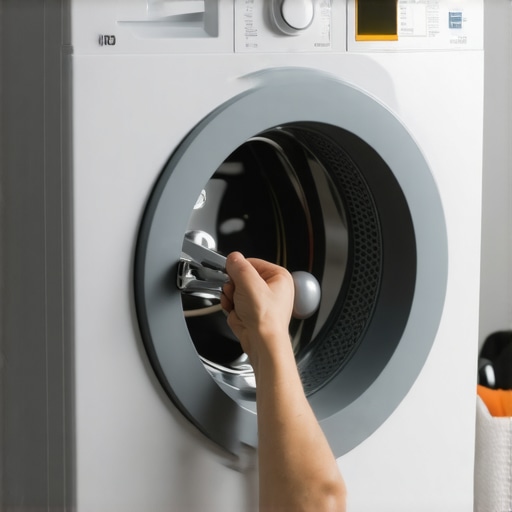
Last summer, I nearly lost my mind trying to balance my washing machine. Every spin cycle sounded like a small earthquake, and I started to wonder if my laundry room was about to turn into a mini earthquake zone. That lightbulb moment hit me—was there a way to fix this wobbling issue without spending a fortune on replacement parts or calling in a professional? Turns out, the answer was a resounding yes, and I’ve been fixing my appliances with DIY tricks ever since.
Say Goodbye to Wobbling Woes: Your Practical Fix Starts Here
If your washing machine’s wobbling during those intense spin cycles has turned your laundry routine into a noisy, shaky ordeal, you’re not alone. Many homeowners face this frustrating problem and assume a costly repair is inevitable. But here’s the good news: often, you can solve this issue with simple adjustments and some elbow grease—no parts required. Today, I’ll walk you through proven techniques based on my personal experience to stabilize your washer and bring peace back to your laundry days.
Is Repairing Without Parts Really Possible? The Common Skepticism
In my early attempts, I genuinely believed I’d need to replace worn-out shock absorbers or drum bearings. I made the mistake of assuming that a wobbling washer was always a sign of major component failure—spoiler alert: it’s not always the case. Many times, uneven leveling or loose bolts are the culprits. If you’re thinking, “Is this all just temporary fixes?” trust me, these adjustments can make a significant difference and delay the need for expensive replacements. Plus, I discovered that proper maintenance can actually extend your washer’s lifespan, avoiding costly repairs down the line. Curious about more issues that could be hiding behind your appliance’s quirks? Check out how to prevent dishwasher spots with [this quick fix](https://discountappliancehub.com/why-your-dishwasher-is-leaving-white-spots-on-glasses).
Before diving into the solutions, a quick note: I used to overlook basic inspections, which led me to overlook simple causes like an unlevel washer or loose bolts. Recognizing these small issues early saved me from bigger headaches later on. Now, I’ll show you step-by-step how I stabilized mine—so you can do the same without breaking the bank or waiting for a repair appointment. Ready to grab your toolbox? Let’s get started on fixing that wobble and restoring calm to your laundry space.
Level Your Washer Like a Pro
When I first noticed my washing machine shaking excessively, I realized it was probably unbalanced. To fix this, I moved the machine onto a level surface, adjusted the adjustable feet—think of these as tiny leveling stilts—and used a bubble level to ensure proper alignment. This quick tweak made a noticeable difference, and your washer will operate more smoothly. Remember to check the floor for uneven spots, especially if your laundry room is in a basement or garage. Ensuring a flat surface prevents future wobbling and prolongs your appliance’s life.
Secure Loose Bolts and Clips
Next, I examined the back and sides of the washer for loose bolts or panels. Often, during installation or moving, these fasteners can work free, causing instability. I used a socket wrench to tighten these bolts, paying special attention to the suspension system and drum mounts. Tightening bolts reduces vibration and noise during operation. Be cautious not to overtighten, which could damage threads or components. This step is critical because loose parts can lead to more serious issues if ignored.
Inspect and Replace Worn Shock Absorbers
In my case, the washer’s wobbling persisted despite leveling and tightening. I uncovered worn shock absorbers beneath the unit—these components absorb vibrations during the spin cycle. Replacing them can be straightforward if you follow the manufacturer’s guide. For my DIY attempt, I ordered compatible shock absorbers online, carefully removed the old ones with a screwdriver and wrench, then installed the new ones, ensuring they clicked into place securely. This repair improved stability significantly. If you’re unsure, consult the warranty or consider a professional, especially for complex models.
Distribute Laundry Evenly
Another cause I found was uneven load distribution. Before starting a cycle, I made sure to load clothes symmetrically around the drum’s center. Overloading on one side causes imbalance, leading to excessive vibration. Think of it like balancing a wheel: distribute weight evenly to keep it spinning smoothly. This simple step prevents wobbling and reduces strain on the machine’s suspension.
Test and Fine-Tune the Setup
After performing repairs and adjustments, I ran a short spin cycle. The wobbling was noticeably reduced, but I fine-tuned the leveling screws slightly for optimal stability. Keep an eye on the washer during operation, and if you notice any remaining noise or movement, revisit the previous steps. For more information on appliance troubleshooting, check out how to claim your warranty for a cracked glass cooktop. Proper maintenance not only fixes the wobble but also extends your appliance’s lifespan and saves money in the long run.Many homeowners assume that same-day appliance repair or installation guarantees flawless service without pitfalls, but the reality is more nuanced. A common myth is that all technicians are equally reliable, yet skilled professionals know that quick turnaround can sometimes sacrifice thoroughness, leading to overlooked issues or incomplete repairs. For example, rushing to fix a dishwasher without properly inspecting the drainage system may result in future leaks, emphasizing the importance of detailed diagnostics over speed Learn how drainage mistakes can cause flooding. Another misconception is that warranties cover accidental damage or misuse, when in reality, they often exclude issues stemming from improper installation or neglect, making it crucial to understand the fine print beforehand. Recognizing these nuances can save you headaches and money. For instance, some people skip verifying if a service provider is authorized, risking voiding warranties or incurring hidden costs, so always check credentials and reviews first. Additionally, many underestimate the importance of correct installation procedures; improperly installed appliances can lead to overheating, electrical faults, or early failure, which may not be covered by warranty See how installation errors affect your appliance lifespan. Mastering these subtle details ensures you don’t fall into common traps. How many times have you relied solely on a quick fix without considering potential long-term consequences? Paying attention to these advanced nuances ensures your investments last longer and perform better. For example, understanding that a delayed warranty registration can invalidate your coverage encourages proactive management. It’s always better to dig a little deeper—whether it’s verifying the credentials of the technician or reviewing warranty terms—to truly protect your appliances and peace of mind. Want to explore more about safe appliance maintenance? Check out how to claim your warranty for a cracked glass cooktop here. Have you ever fallen into this trap? Let me know in the comments.
How do I keep my appliances running smoothly over time?
Maintaining my appliances isn’t just about quick fixes; it involves investing in the right tools and establishing a routine that prolongs their lifespan. I personally rely on a few specific items that make diy repairs more manageable and efficient.
First, a quality digital multimeter is indispensable. I use the Fluke 115 Multimeter because it’s precise and durable, allowing me to troubleshoot electrical issues safely and accurately without guessing. This helps me verify voltage and continuity, avoiding unnecessary replacements and ensuring my repairs hold up.
Next, I swear by a magnetic parts tray. When disassembling components, it keeps screws and small parts organized, preventing loss and confusion during reassembly. My favorite is the Neat-O Magnetic Parts Tray—compact, sturdy, and magnetic enough to hold onto tiny screws, especially useful when working on delicate parts like sensor modules or circuit boards.
For removing stubborn screws or disassembling tight panels, I recommend a set of precision screwdriver bits, particularly ones with rubberized handles for extra grip. I use the Klein Tools Precision Screwdriver Set because it offers the right sizes and quality control, reducing the risk of stripping screws during repair, which can complicate maintenance.
Additionally, for checking water pressure and diagnosing plumbing issues, a reliable water pressure gauge comes in handy. I find the Astro 9386 Digital Water Pressure Tester straightforward and accurate for assessing inlet pressure, preventing problems like slow drain or inadequate filling caused by low pressure.
These tools combined enable me to perform various repairs—from replacing faulty sensors to tightening loose bolts—without needing professional intervention most of the time. Staying stocked with these essentials has saved me both money and downtime.
What future trends can we expect in appliance maintenance tools?
Looking ahead, I predict that smart diagnostic devices integrated with appliance manufacturing will become more prevalent. These tools could connect via Bluetooth or Wi-Fi to your smartphone, providing real-time troubleshooting guidance and maintenance alerts. Such advancements will make DIY repairs even more accessible, reducing the need for service calls and fostering longer appliance lifespan.
Don’t forget, maintaining your appliances isn’t just about tools—regularly cleaning filters, checking for early signs of wear, and staying updated on manufacturer recalls or warranty conditions are just as vital. For example, knowing how to claim your warranty can save you headaches later.
Innovate with confidence by trying out one of these tools today. Start with your multimeter—it’s the cornerstone for safe, precise diagnostics that truly make a difference in appliance longevity.
Lessons Only Pros Have Minded Me About Same-Day Service and Warranties
One of the hardest lessons I learned was that not all quick fixes are equal—sometimes, rushing to repair can lead to overlooking subtle issues, like unlevel appliances or loose connections, which could cause recurring wobbling or damage down the line. I once replaced shock absorbers without checking the foundation, only to realize the wobble returned after a few cycles. It taught me to always pause, inspect, and understand the root cause before jumping to action. Additionally, I discovered that warranties often have hidden nuances—failing to register or using non-OEM parts can silently void coverage. Being meticulous about warranty conditions and proper installation has saved me from unexpected expenses more than once. Finally, trusting licensed professionals for complex repairs doesn’t mean surrendering control; instead, it empowers you to know when DIY is feasible and when expert intervention is wise, ensuring safety and longevity for your appliances.