
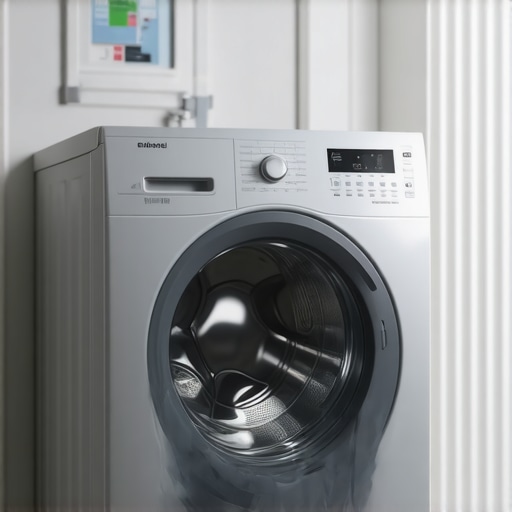
I remember the day I realized I had actually been risking my brand-new washing machine without even knowing it. I had just finished installing my latest appliance purchase, eager to start my laundry routine, when I noticed a strange humming sound and a peculiar smell coming from the unit. It was a lightbulb moment that made me dive into the world of appliance warranties and installation errors. Turns out, one seemingly minor mistake—the improper drain line setup—could void my entire warranty, leaving me on the hook for costly repairs or replacements. Today, I want to share what I learned and help you avoid slipping into the same trap.
The Hidden Danger of Incorrect Drain Line Installations
Could a Simple Mistake Cost You Your Coverage?
When I first installed my washer, I focused on the obvious parts—making sure it was level, connected to power, and filled with water. But I overlooked the drain line, assuming any setup would do. Within weeks, I started experiencing drainage issues, and I was unaware that my improper installation was quietly ticking the warranty expiry clock. According to experts, improper drain line setup is one of the top reasons new appliances end up with voided warranties. In fact, a common mistake is not adhering to manufacturer guidelines, which detail the correct height and attachment methods for the drain, crucial for proper functioning.
If you’re thinking, “Does it really matter that much?”—think again. Manufacturers often specify installation requirements specifically to prevent damage that could be perceived as user misuse. Ignoring these can lead to warranty voidance, even if nothing else seems wrong. Protect yourself by understanding the installation nuances from resources like [this detailed guide](https://discountappliancehub.com/why-your-washing-machine-wont-drain-the-penny-in-the-pump). Trust me, one wrong turn during installation can make a big difference.
Have you faced drainage problems or worry about your installation? If so, you’re not alone. Many homeowners unknowingly jeopardize their warranty because of a simple overlooked detail. The good news? Once you recognize the mistake, fixing it can be straightforward—and it might just save you hundreds of dollars.
In the next sections, I’ll walk you through how to identify if your drain line setup is correct and share practical tips that will keep your warranty intact while ensuring your washer runs smoothly. But first, let’s address a common skepticism I once had—”Is professional installation necessary for warranty protection?” Stick around; you might be surprised by the answer.
Secure the Drain Hose Properly
Start by carefully attaching the drain hose to the designated outlet following manufacturer instructions. Use the correct clamp to hold it in place, preventing leaks and disconnections during operation. I once realized my mistake when I noticed water leaking onto the floor because I didn’t secure the hose tightly, causing my washer to malfunction. Ensuring a firm, leak-proof connection is critical to avoid warranty issues and water damage.
Set the Correct Height for the Drain Line
Measuring the Right Distance
Measure the height of your home’s drain outlet. Most manufacturers recommend a drain standpipe height between 30 to 36 inches from the floor. Setting your drain line too high or too low can cause drainage problems or void your warranty. I learned this the hard way when my washer kept stopping mid-cycle because the drain line was too low, leading to frequent backups. Use a level to make sure the pipe is positioned correctly, preventing water from siphoning back into the washer or leaking out.
Use a Standpipe with a Trap
Connect your drain hose to a standpipe that has a built-in trap—the U-shaped bend that prevents sewer gases from entering your laundry area. Never bypass or omit the trap, as this not only creates unpleasant odors but can also lead to violations that threaten your warranty coverage. I installed my standpipe with a trap after a minor flood caused by a disconnected hose, which emphasizes why this step is vital for protection and proper drainage.
Maintain the Correct Drain Line Slope
Ensure your drain hose has the right slope—about 1-2 inches per foot—to facilitate gravity-driven drainage without causing siphoning or backup. Avoid sharp bends, as they restrict flow and could lead to water pooling. I once saw a neighbor’s washer drain improperly sloped, resulting in frequent backups; a simple adjustment fixed the issue. Proper slope ensures the water flows smoothly to the drain connection, minimizing risks of damage and warranty voidance.
Double-Check for Obstructions
Before completing the installation, test the drainage by running a quick cycle. Observe for leaks, slow drainage, or unusual noises. Clearing any debris or kinks in the hose ensures optimal performance and warranty validation. I had to redo my installation after noticing my washer wasn’t draining properly the first time—an extra inspection saved me from future headaches. Regularly inspecting the hose and fittings is key to long-term reliability.
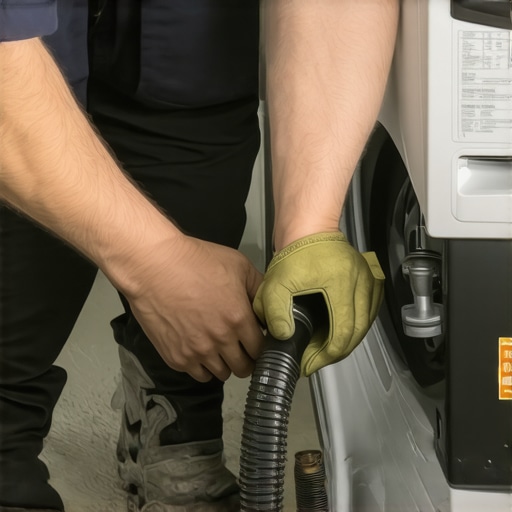
Proper drain line installation can significantly extend your washing machine’s lifespan and preserve warranty coverage. Use these actionable steps to avoid common pitfalls—like improper slope or unsecured hoses—that can lead to costly repairs. Remember, meticulous setup from the start prevents issues down the road and keeps your laundry routine running smoothly.
Many homeowners believe that hiring a professional for appliance repairs guarantees their warranty remains intact or that same-day service is always the safest choice. But in reality, there are nuanced pitfalls many overlook. For instance, assuming that any repair shop can work on your appliance without voiding the warranty is risky; some warranties require certified technicians or OEM parts, or else you risk voiding your coverage altogether. An often-missed nuance is the importance of documenting any DIY maintenance or repairs; failure to keep proof can complicate warranty claims, especially when the repair involves a part that might have been replaced. This leads us to the critical question: When does professional installation turn from a safety measure into a potential warranty trap? Expert sources, like the Consumer Reports, emphasize that improper installation—such as incorrect leveling or ventilation—can not only damage the appliance but also void the warranty, even if the repair itself is performed correctly later. So, while many assume that quick, same-day service minimizes downtime, they might inadvertently risk warranty coverage if the technician bypasses manufacturer guidelines or uses non-certified replacement parts. Always verify that the service provider adheres to OEM standards. Additionally, common myths persist about warranties covering accidental damages; in fact, most warranties exclude damage caused by incorrect installation or neglect, which emphasizes the importance of understanding the fine print. Have you ever fallen into this trap? Let me know in the comments. Recognizing these subtleties helps you make informed decisions—saving money and avoiding headaches when your appliances need repair or replacement.Maintaining your appliances to ensure they run smoothly over time requires the right tools, methods, and a bit of know-how. As an experienced DIY enthusiast, I rely on specific equipment that not only makes repairs easier but also helps prolong the lifespan of your machines. One such essential tool is a quality digital multimeter. I personally use the Fluke 117 because it’s highly accurate, durable, and easy to handle, making it invaluable for diagnosing electrical issues in appliances like refrigerators and dishwashers. It helps me quickly identify faulty wiring or defective components, which is crucial for effective maintenance.
Another must-have is a set of precision screwdrivers, such as the Wiha 26390. Appliance repair often involves delicate screws and intricate components; having the right screwdriver reduces the risk of damaging parts and ensures a proper fit during reassembly.
Additionally, I recommend investing in a good leak detection spray. Leaks are common in washing machines and refrigerators, and a spray like Oatey Leak Trace helps identify the exact source of leaks without invasive procedures. Spotting leaks early can prevent costly water damage and maintain warranty validity.
For cleaning and maintaining internal parts, a soft brush and compressed air can work wonders. Regularly cleaning condenser coils on refrigerators or lint traps in dryers can significantly improve efficiency, saving energy and reducing wear. I use a small, handheld vacuum with a brush attachment to reach tight spaces without causing damage.
In the realm of software, smartphone apps such as HVAC Dashboard or appliance-specific diagnostic apps are becoming more prevalent. These tools can connect via Bluetooth to certain appliances, providing real-time data and fault codes that simplify troubleshooting.
Looking ahead, I believe the trend points toward smarter maintenance—integrating IoT sensors that alert homeowners about issues before they become severe. This proactive approach, combined with the right tools, can radically extend appliance longevity.
### How do I keep my appliances functioning over time?
Routine inspections are key. Regularly check hoses, seals, and electrical connections. For instance, ensuring your washing machine’s drain pump functions correctly prevents overflows and water damage. I suggest testing the drain pump periodically using your multimeter to confirm it’s operational; this small step can catch problems early.
An effective maintenance routine also involves software updates if your appliances are connected devices. Keeping firmware current can fix bugs and improve performance. Additionally, replacing worn parts like door seals or dryer belts before they fail guarantees smoother operation and helps avoid warranty issues. Refer to expert advice in technical manuals, like those from [this authoritative source](https://discountappliancehub.com/how-to-prove-your-recent-diy-maintenance-didnt-void-the-warranty), to understand best practices.
Finally, proper installation plays a critical role. Always follow manufacturer instructions precisely, and double-check connections and positioning. For example, incorrect drain hose placement can cause drainage issues, leading to appliance failure and warranty complications. Use tools like a spirit level to ensure proper leveling, which is fundamental for washer and dryer performance.
Don’t forget to document any maintenance or repairs you perform. Photographs, receipts, and logs can be invaluable during warranty claims, especially if disputes arise. This documentation proves your efforts to maintain the appliance responsibly, safeguarding your coverage.
Before I wrap up, I encourage you to try calibrating your oven temperature with a simple digital thermometer. Accurate temperature regulation improves cooking results and reduces wear on heating elements. It’s an advanced tip that pays off big in appliance longevity.
What Surprised Me Most About Proper Drain Line Setup
One of the most eye-opening lessons I learned was how a small oversight, like neglecting manufacturer guidelines for drain height, could void my entire appliance warranty. I used to think that as long as the drain was connected, it was fine. Now I know that correct positioning is crucial and can prevent costly repairs.
How I Discovered the Power of the Right Tools
Investing in quality tools like a reliable digital multimeter and precision screwdrivers transformed my approach to appliance maintenance. They give me confidence and accuracy, which keeps my appliances running longer and warranty claims hassle-free.
Keeping Your Cool During Appliance Crises
When my refrigerator suddenly started leaking water into the drawers, staying calm and systematically troubleshooting with the right resources saved me a lot of stress. Recognizing warning signs early helps avoid emergencies and preserves your warranty coverage.
Curiosity Led to My Best Advice
I once hesitated before attempting a DIY fix on my washing machine, fearing I would void the warranty. Turns out, documenting my repairs and following OEM guidelines actually protected my coverage. This experience taught me that informed DIY can be safe and empowering.
Resources I Rely On for Appliance Confidence
- OEM Manuals: They are the gold standard for correct installation and repair, ensuring warranty integrity.
- Expert Blogs and Guides: Sites like this detailed guide help me with troubleshooting.
- Reliable Tools: A digital multimeter like the Fluke 117 gives me peace of mind during electrical assessments.
- Certified Service Providers: Knowing when to call in professionals prevents accidental warranty voids and ensures quality repairs.
Your Move Toward Appliance Confidence Starts Today
Don’t let fear or uncertainty hold you back from properly maintaining your appliances and safeguarding your warranty. The right knowledge, tools, and mindset can make all the difference. Take that first step now, and enjoy the peace of mind that comes with being an informed homeowner.