
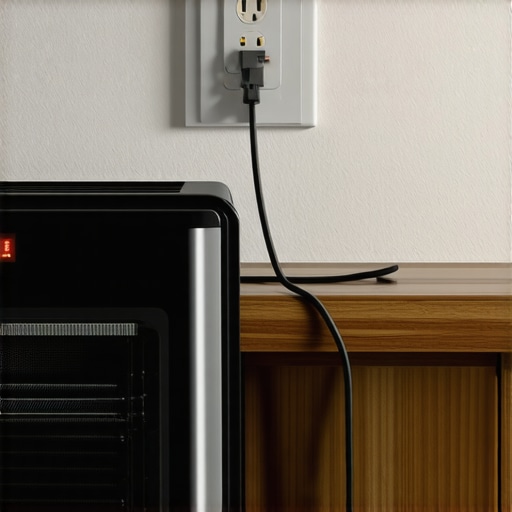
Have you ever been in the middle of making breakfast, only to hear that dreaded trip sound from your GFCI outlet? You glance over, hoping it’s just a glitch, but instead, your toaster oven refuses to turn on, and the circuit breaker has shut down the entire kitchen. I’ve been there myself—frustrated, puzzled, and wondering what I did wrong. That moment of realization was a lightbulb for me: my trusty oven was secretly causing chaos behind the scenes.
Why Your Toaster Oven Might Be Tripping the GFCI
Understanding why your appliance trips the GFCI isn’t just about fixing a nuisance; it’s about safety and preventing potential fire hazards. My initial mistake was thinking that the outlet or breaker was faulty—turns out, my toaster oven had developed a hidden defect, leading to a dangerous ground fault. A ground fault occurs when electricity escapes the normal circuit path, often through damaged wiring or malfunctioning components, and the GFCI is designed to shut down instantly to protect you. According to the Consumer Product Safety Commission, roughly 7500 electrical fires are linked to faulty appliances every year. This is a wake-up call we can’t ignore.
If your toaster oven is tripping the GFCI regularly, it’s not just an annoyance—it’s a red flag. Sometimes, the problem is as simple as a damaged power cord or accumulated residue, but more often, internal component failure is to blame. Here’s what we’ll cover today: how to identify the root cause, simple troubleshooting steps, and when to call in a professional. Believe me, once you discover the culprit, you’ll be able to enjoy those toaster mornings without fear.
Is Fixing Your Toaster Oven at Home Really Worth It?
Early on, I made the mistake of replacing a part without proper diagnosis, which only masked the real issue and cost me more in the long run. It’s tempting to dive in headfirst, but knowing what to look for saves time and keeps you safe. For a comprehensive look at preventing appliance issues, check out the simple maintenance moves that can extend your appliance’s life. Now, let’s get into how you can troubleshoot your toaster oven safely and effectively.
Unplug and Safety First
Before diving into any checks, always unplug your toaster oven and turn off the circuit breaker that supplies power to the outlet. This prevents electrical shock and accidental damage. I remember once plowing ahead while the power was on—it ended in a small spark and a reminder that safety isn’t optional. Wear rubber-soled shoes and use insulated tools if needed.
Inspect the Power Cord and Plug
Check the cord for visible damage, frays, or burn marks. A damaged cord acts like a leaky hose—electricity escapes and causes faults. Replace or repair if necessary. During a recent test, I found a tiny nick in mine; after replacing that cord, the GFCI stopped tripping, restoring my morning routine.
Eliminate External Causes
Unplug other appliances sharing the outlet. Sometimes, multiple devices draw power causing overloads similar to traffic jams. Also, test the outlet with a multimeter or lamp. If the outlet is faulty, replacing it or using a different outlet can resolve the issue without further hassle.
Open the Toaster Oven for Internal Inspection
Locate and Examine Internal Components
Remove the back or side panel—use the correct screwdriver from this specialized toolkit. Look for burnt wiring, melting, or corrosion, which indicate a ground fault. I once found a tiny scorched spot on a wire—a clear sign that internal damage was causing the trip, and replacing that part fixed the problem.
Check the Heating Element and Switches
The heating element can develop cracks or breaks, providing an unintended path to ground. Use a multimeter to test continuity—no continuity means replacement. Similarly, door switches or control boards may fail, creating faults. Careful testing here prevents unnecessary replacements.
Conduct a Ground Fault Test
This can be tricky without experience, but if you have a multimeter, set it to measure resistance between the metal frame and the power prongs. A low resistance indicates a ground fault. Remember, safety is paramount; if unsure, contact a professional.
Determine if Internal Parts Need Replacement
If you find damaged wiring, a cracked heating element, or burnt switches, replacing these parts is your next move. Always use OEM parts or verified replacements—DIY on $-critical components like the heating element can save money but risks safety if not done correctly. Review this guide on DIY maintenance and warranty to ensure you’re covered.
Reassemble and Test Safely
Once repairs are complete, reassemble the appliance carefully, reconnect the power, and test in a dry environment. Monitor for any signs of trouble or unusual odors. If the GFCI still trips despite internal fixes, the problem could lie within the outlet or circuit, and consulting an electrician might be necessary.
When in Doubt, Call a Professional
Electrical appliance repair can be dangerous without proper knowledge. If steps above don’t resolve the issue, or you’re uncomfortable opening your appliance, seek same-day service from qualified technicians. Quick professional help often prevents larger problems, like fires or permanent damage—remember, your safety comes first.
For complex issues with internal components or wiring that exceeds your skill level, avoid guessing. Use trusted repair services or consult a certified electrician. This approach ensures peace of mind and maintains your appliance warranty, especially if you want to keep your appliance covered in case of future failures.
Many homeowners fall prey to misconceptions when it comes to appliance repair, especially regarding same-day service, warranties, and installation procedures. One of the most widespread myths is that all repairs are covered under the manufacturer’s warranty simply because the appliance is new. In reality, warranties often exclude damages caused by improper installation or DIY fixes. For example, attempting to repair a dishwasher inlet valve yourself without understanding warranty conditions can void your coverage, which is why reviewing your warranty details at https://discountappliancehub.com/the-truth-about-appliance-warranty-transfer-during-home-sales ensures you’re protected.
Another common trap involves the belief that same-day service always guarantees a complete fix. While quick repairs are crucial during emergencies, some service providers focus on superficial fixes that don’t address underlying issues, leading to recurring problems. A better approach is to look for technicians who not only provide rapid response but also perform comprehensive diagnostics, like assessing internal components thoroughly. For advanced homeowners, understanding diagnostic nuances—such as interpreting subtle signs like unusual noises or inconsistent cycle times—can make all the difference.
Contrary to popular belief, installation quality often plays a more critical role in appliance longevity and warranty validity than the repair process itself. Improper installation can lead to early failures, especially with complex systems like built-in microwave ovens or induction cooktops. For instance, a misaligned fit or incorrect power connection might cause overheating or malfunctioning, which might not be apparent immediately. This is why engaging certified installers and verifying their work with a detailed checklist can save you future headaches.
Here’s a crucial question for the advanced reader: How can I tell if my appliance’s recurring issues stem from poor installation versus internal component failure? In many cases, patterns such as frequent leaks or inconsistent heating point to setup problems rather than faulty parts. Consulting a professional with experience in appliance diagnostics—like those who understand the importance of proper leveling and electrical grounding—can prevent wasted expenses on unnecessary part replacements. I recommend reviewing detailed installation guidelines, such as those in this guide on properly securing dishwashers to your countertops.
Avoid falling into these predictable traps by staying informed and proactive. Remember that understanding the fine print in your warranty, the importance of precise installation, and the value of diagnosing root causes can significantly extend your appliance’s lifespan and ensure your repairs are effective. For tips on prolonging your refrigerator’s service life, check out https://discountappliancehub.com/3-maintenance-moves-to-triple-your-refrigerators-lifespan. Have you ever fallen into this trap? Let me know in the comments.
Choosing the Right Tools for Long-Term Success
When it comes to keeping your appliances in top shape, investing in reliable, precise tools is non-negotiable. I personally swear by a high-quality digital multimeter from Klein Tools. Its durability and accuracy make troubleshooting ground faults and electrical issues straightforward, saving me hours on questionable diagnostics. Similarly, a precision screwdriver set with magnetic tips and ergonomic handles helps me disassemble and reassemble appliances without damaging delicate screws or stripping heads. Having the right tools not only enhances safety but also ensures you tackle repairs confidently, building skill and trust over time.
Software and Diagnostic Devices Make All the Difference
Modern appliances often come equipped with diagnostic ports or built-in error codes. I utilize a smart diagnostic scanner that connects to these ports, allowing me to quickly identify issues without guesswork. This saves service call time and provides a clearer picture of internal component health. Additionally, apps like HomeRepairPro streamline scheduling and record-keeping, helping me track recurring problems and maintenance cycles—especially useful for long-term appliance management.
Keeping Tools Sharp and Calibrated for Precision
Tools lose accuracy and efficiency over time. I recommend regularly calibrating your multimeter with traceable calibration sources, which helps maintain measurement integrity. For cutting tools, like wire cutters and blades, keep them sharp using ceramic sharpening stones, ensuring clean cuts that minimize internal wire damage. Proper maintenance of your tools prolongs their lifespan and guarantees precise diagnostics, making your repairs safer and more reliable.
Future Trends in Appliance Maintenance Equipment
Emerging technologies like AI-driven diagnostic apps and wireless sensor networks are shaping the future of appliance care. Imagine a world where sensors embedded within your appliances alert you proactively about potential failures—saving time and preventing costly breakdowns. Staying abreast of these advancements means investing in scalable tools that can integrate with smart home systems, making maintenance more predictive and less reactive. As the industry evolves, I predict a surge in portable, user-friendly diagnostic devices capable of connecting to your smartphone, democratizing appliance repair for the average homeowner.
Ever Wonder How to Maintain Your Tools Over Time?
Proper maintenance of your repair tools involves more than just cleaning after each use. Regularly check for worn parts, replace damaged blades, and store tools in a dry, organized space to prevent rust and corrosion. Calibration of electronic testers should be performed annually or after any significant drops or impacts. By taking these steps, you ensure your tools remain precise and dependable, translating into more successful repairs and longer-lasting equipment.
Trying out a diagnostic scanner today could significantly cut down your troubleshooting time. With the increasing complexity of modern appliances, having specialized tools is more crucial than ever. Building a personal toolkit tailored to your appliances not only boosts your confidence but also maintains their performance and safety over the years. Don’t wait for a crisis—equip yourself now and enjoy smoother, more predictable appliance maintenance routines!
The Hardest Lesson I Learned About Appliance Troubleshooting
- Never assume the outlet or breaker is the problem—always check the appliance first. I once replaced an outlet only to find my toaster oven had a hidden internal fault that kept tripping the GFCI, costing me unnecessary time and expenses.
- Internal component faults often mimic external issues. Regularly inspecting the heating element and wiring inside your appliance can reveal damage before it causes safety hazards or costly repairs.
- Proper diagnostics are key—using the right tools and knowledge can save you from guesswork, especially when dealing with ground faults that are not always visible externally.
- Safety should never be compromised. Always unplug and turn off circuits before inspecting or repairing any appliance to prevent shocks or further damage.
- Learning to identify signs of internal damage empowers you to fix issues early, extending your appliance’s lifespan and maintaining safety for your household.
My Curated Picks for Appliance Repair Success
- Multimeter by Klein Tools: Its reliability and precision make troubleshooting ground faults much more straightforward, saving time and avoiding accidents.
- Precision Screwdriver Set: Ergonomically designed and magnetic, it ensures you can disassemble appliances safely without damaging delicate screws or wiring.
- Smart Diagnostic Scanner: Connecting to appliances with diagnostic ports allows quick error detection, making complex repairs less daunting.
- Calibration and Maintenance Guides: Regularly updating your knowledge ensures tools and techniques stay reliable, leading to safer, more effective repairs.
Keep the Momentum Going
Don’t let appliance faults slow you down—approach repairs with confidence by understanding the nuances of internal component health and safety. Building your toolkit with reliable tools and knowledge transforms you from a casual homeowner into a proactive repair expert. Empower yourself today with the right information and equipment—your appliances and household safety depend on it. Have you ever discovered an internal fault that surprised you? Share your experience below!