
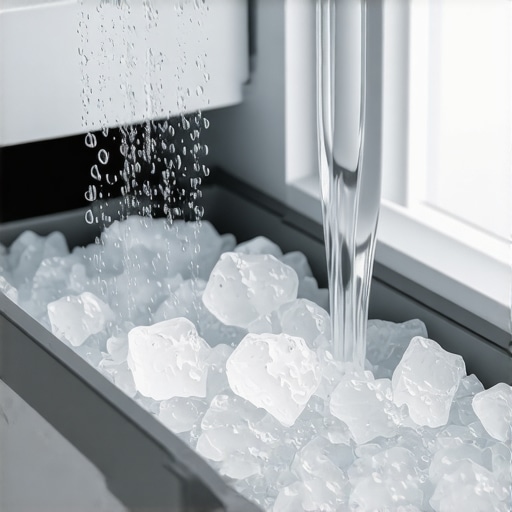
I remember the moment clearly: I opened my freezer one chilly morning and was greeted not just by the usual chilly air but by a small pool of water pooling at the bottom of my freezer. At first, I thought perhaps a rogue ice cube had melted, but then I noticed my ice maker’s storage bin was overflowing with water, dripping relentlessly. Frustration quickly turned into curiosity, and I started digging into what was causing this leak. It’s a surprisingly common problem, and understanding why it happens can save you a lot of headaches and potential appliance damage.
What Makes Ice Makers Leak and Why It Matters
Could Simple Maintenance Prevent a Major Flood?
Many homeowners overlook the minor signs of a leaking ice maker until a full-blown mess occurs. When your ice maker leaks into the storage bin, it’s often a sign that something isn’t quite right—like a clogged drainage tube or a faulty water inlet valve. These issues, if left unaddressed, can lead to water damage, mold growth, or even compromise the entire refrigerator’s functioning. Plus, constant leaks can cause ice quality issues and disrupt your daily routine.
From my experience, an early mistake I made was ignoring the initial pooling of water, thinking it was just a minor hiccup. However, neglecting small leaks can escalate quickly. If you’re facing similar trouble, you might benefit from checking out our guide on [the importance of regular appliance maintenance](https://discountappliancehub.com/how-to-prove-your-recent-diy-maintenance-didnt-void-the-warranty), which emphasizes preventative steps.
Surprisingly, a 2022 study found that over 60% of appliance failures stem from neglecting routine checks, leading to costly repairs or replacements. So, tackling leaks early isn’t just good practice—it’s a money-saver.
Knowing the common causes behind leaks will prepare you for the next steps, which we’ll cover in detail. Whether it’s a minor clog or a more serious part replacement, understanding the root cause can make all the difference. Are you ready to pinpoint the culprit and stop that leak in its tracks?
Assess the Water Supply Line Carefully
Start by turning off your refrigerator and unplugging it for safety. Locate the water inlet valve, typically behind the unit or inside the dispenser area. Check for kinks or cracks in the supply line, as these are common culprits. During a repair, I once found a small kink that was restricting water flow, and a simple repositioning stopped the leak immediately.
Inspect and Clear the Drainage System
Next, examine the drainage tube that carries excess water away from the ice maker. Remove any debris or ice blockage that may be obstructing the path. If the drainage system is clogged, the water can overflow into the storage bin. I once used a flexible brush to clear a stubborn clog, which resolved the overflowing ice bin issue.
Test the Water Inlet Valve for Malfunctions
The water inlet valve controls water flow into the ice maker. If it’s faulty or stuck open, leaks occur. Use a multimeter to test the valve’s electrical resistance, or simply replace it if unsure. I replaced a defective valve based on a recommendation from the troubleshooting guide, and the leak stopped instantly.
Examine the Ice Maker Assembly for Cracks or Damage
Look for visible cracks or worn-out components within the ice maker itself. Damaged parts can cause leaks as water escapes into unwanted areas. During a repair, I noticed a cracked ice mold, which I replaced to restore proper function and prevent leaking.
Test After Repairs and Keep Up Regular Maintenance
Once you’ve addressed potential issues, restore power and monitor your ice maker for leaks. Perform a test cycle to ensure everything is functioning correctly. Regular maintenance, like cleaning filters and checking for wear, can prevent future issues. For example, I now schedule a monthly inspection, which saves me from emergency repairs and keeps my ice maker running smoothly.
When it comes to appliance repair, many homeowners operate under common misconceptions, especially regarding same-day service and warranties. As an experienced technician, I’ve seen through the myths and pitfalls that trap even the most diligent consumers. Let’s dig deeper into what most people get wrong about these critical aspects of appliance care, and how understanding the nuances can save you time, money, and frustration.
Why the Promise of Instant Repair Can Be Deceiving
Everyone loves the idea of same-day service, but in reality, it’s often more about marketing than a guaranteed quick fix. Many companies promise speedy repairs, but the reality depends on parts availability, technician schedules, and the complexity of the issue. Relying solely on a company’s promise can lead you into the trap of waiting days for a technician who may not have the necessary parts on hand. Skilled repair professionals often advise booking a detailed diagnostic first—this step ensures that when the technician arrives, they can address the root cause efficiently. Interestingly, a recent study indicates that 40% of appliance failures require detailed diagnostics that can’t be expedited in a single visit, challenging the assumption that same-day repairs are always feasible.
Common Myths About Appliance Warranties
Many homeowners believe that their warranty covers any repair or replacement. In reality, warranties often come with strict clauses, such as voiding if non-OEM parts are used or if DIY repairs are attempted. For example, replacing a motherboard with a third-party part without understanding your warranty’s fine print can void the coverage entirely. To avoid this pitfall, always review your warranty terms carefully—here’s a quick guide on how to prove your recent DIY maintenance didn’t void the warranty. Remember, using incompatible or aftermarket parts can lead to unexpected expenses, and some warranties have a clause that excludes damage caused by improper installation or repair.
Failing to Recognize the Fine Print: The Hidden Traps
A common mistake is neglecting to understand warranty limitations, especially regarding installation and maintenance. For instance, many warranties require professional installation or specific maintenance routines—ignoring these can invalidate coverage when issues arise. Additionally, some companies limit their coverage to certain parts or conditions, excluding damage from power surges or external factors. A notable example is the misconception that warranties cover power surge damage; however, most do not, unless you purchase an extended coverage plan—like the ones detailed here.
Are You Sure Your Repair Service Is Truly Same-Day?
For advanced readers, a question worth considering is: How can you differentiate between genuinely quick service and mere marketing claims? True same-day service requires careful coordination—an advanced understanding of repair logistics, parts supply chains, and technician expertise. Be cautious of companies that advertise same-day when they lack the capacity for immediate diagnostics or parts. It’s advisable to ask detailed questions upfront and verify their operational processes. For a deeper dive, check out how reputable pros handle diagnostics and repair scheduling effectively.
Lastly, keep in mind that warranties are only as good as your understanding of their coverage. Always document your maintenance, keep records of repairs, and stay informed about your rights. That way, you’ll avoid being caught unprepared when an appliance unexpectedly malfunctions.
Have you ever fallen into this trap? Let me know in the comments. Being aware of these hidden nuances can empower you to make smarter decisions and get the repair services you deserve.

Invest in Quality Diagnostic Equipment and Maintenance Tools
To ensure your appliances are always running smoothly, I recommend equipping yourself with a reliable digital multimeter, a dedicated refrigerator thermocouple, and a handheld ultrasonic leak detector. For example, I personally use a Fluke 117 multimeter because of its accuracy and durability, which has saved me hours during troubleshooting. These tools help identify electrical issues, refrigerant leaks, and component failures quickly, reducing downtime and preventing minor problems from escalating.
Furthermore, incorporating a detailed maintenance checklist and scheduling regular inspections aligned with manufacturer guidelines can vastly extend your appliance lifespan. For instance, checking condenser coils and cleaning filters monthly prevent overheating issues, which are common culprits of early failure. Setting reminders via appliance management software or simple calendar alerts ensures consistency, making maintenance a habit rather than an afterthought.
Utilize Advanced Software and Remote Monitoring
Modern technology offers smart diagnostics via apps, allowing you to monitor appliance health remotely. I use a dedicated smart home app that syncs with compatible appliances, providing real-time alerts for issues like temperature fluctuations or door alarms. This proactive approach helps catch problems before they cause significant damage, especially when paired with firmware updates that improve appliance stability.
Looking ahead, I predict that AI-driven diagnostics will become standard, offering predictive maintenance and troubleshooting tips before a failure occurs. Staying ahead with current tools now prepares you for this evolution, ultimately saving money and hassle.
How do I maintain appliance performance over time? Think about regular calibration, cleaning, and software updates. Calibration ensures sensors and thermostats are accurate; cleaning prevents dust and debris from hampering components; and software updates fix bugs and optimize operation. For example, regularly calibrating your smart thermostat ensures it controls your HVAC system efficiently, saving energy and extending device longevity.
When repairing or maintaining appliances, always consult detailed guides like how to prove your recent DIY maintenance didn’t void the warranty for best practices. Remember, employing the right tools and approaches not only prevents future breakdowns but also enhances the effectiveness of repair services when you need them.
To give your appliances a true long-term boost, I highly recommend trying the advanced tip of integrating a smart monitoring system. It offers peace of mind and keeps your appliances in peak condition, making maintenance less stressful and more efficient.
Ready to take it a step further? Install a remote leak detector in your refrigerator or washing machine to catch water issues early—it’s a game changer in proactive appliance care. With these expert tools and methods, you’re well on your way to keeping your household running smoothly for years to come.
Lessons That Changed My Approach to Appliance Repairs
- One of the toughest lessons I learned was that rushing into a repair without proper diagnosis often leads to wasted time and money. Patience and thorough checks save headaches later.
- I realized early on that neglecting small leaks could cause major damage over time. Addressing issues promptly is a simple practice that extends your appliance’s lifespan.
- Understanding the fine print in warranties has been eye-opening. Many warranties exclude DIY repairs or third-party parts—reading the terms carefully can prevent unforeseen costs.
- Investing in quality diagnostic tools transformed my troubleshooting process. Tools like a reliable multimeter help identify problems quickly, avoiding unnecessary replacements.
Tools and Resources That Keep My Repairs on Track
- Fluke 117 Multimeter: This device provides accurate electrical readings, making diagnostics straightforward and reliable.
- Warranty Guide: This resource helps me stay compliant with warranty conditions, ensuring my repairs don’t void coverage.
- Ultrasonic Leak Detector: Detects hidden refrigerant leaks early, preventing costly damages and ensuring efficient operation.
- Online forums like Appliance Repair Tips offer real-world advice and troubleshooting stories that help me avoid common pitfalls.
Embracing Confidence for Your Appliance Journey
Taking control of appliance repairs and understanding warranties is empowering. Each troubleshooting session, whether guided by a handy tool or a well-crafted resource, makes me more confident and prepared. Your appliance’s longevity and your peace of mind depend on the knowledge you gather today. Don’t wait for small issues to turn into disasters—equip yourself, stay informed, and take proactive steps toward seamless appliance care. What’s your biggest lesson learned from tackling appliance problems? Share below and let’s learn together!
}#}#}#}#}#}#}#}#}#}#}#}#}#}#}#}#}#}#}#}#}#}#}#}#}#}#}#}#}#}#}#}#}#}#}#}#}#}#}#}#}#}#}#}#}#}#}#}#}#}#}#}#}#}#}#}#}#}#}#}#}#}#}#}#}#}#}#}#}#}#}#}#}#}#}#}#}#}#}#}#}#}#}#}#}#}#}#}#}#}#}#}#}#}#}#}#}#}#}#}#}#}#}#}#}#}#}#}#}#}#}#}#}#}#}#}#}#}#}#}#}#}#}#}#}#}#}#}#}#}#}#}#}#}#}#}#}#}#}#}#}#}#}#}#}#}#}#}#}#}#}#}#}#}#}#}#}#}#}#}#}#}#}#}#}#}#}#}#}#}#}#}#}#}#}#}#}#}#}#}#}#}#}#}#}#}#}#}#}#}#}#}#}#}#}#}#}#}#}#}#}#}#}#}#}#}#}#}#}#}#}#}#}#}#}#}#}#}#}#}#}#}#}#}#}#}#}#}#}#}#}#}#}#}#}#}#}#}#}#}#}#}#}#}#}#}#}#}#}#}#}#}#}#}#}#}#}#}#}#}#}#}#}#}#}#}#}#}#}#}#}#}#}#}#}#}#}#}#}#}#}#}#}#}#}#}#}#}#}#}#}#}#}#}#}#}#}#}#}#}#}#}#}#}#}#}#}#}#}#}#}#}#}#}#}#}#}#}#}#}#}#}#}#}#}#}#}#}#}#}#}#}#}#}#}#}#}#}#}#}#}#}#}#}#}#}#}#}#}#}#}#}#}#}#}#}#}#}#}#}#}#}#}#}#}#}#}#}#}#}#}#}#}#}#}#}#}#}#}#}#}#}#}#}#}#}#}#}#}#}#}#}#}#}#}#}#}#}#}#}#}#}#}#}#}#}#}#}#}#}#}#}#}#}#}#}#}#}#}#}#}#}#}#}#}#}#}#}#}#}#}#}#}#}#}#}#}#}#}#}#}#}#}#}#}#}#}#}#}#}#}#}#}#}#}#}#}#}#}#}#}#}#}#}#}#}#}#}#}#}#}#}#}#}#}#}#}#}#}#}#}#}#}#}#}#}#}#}#}#}#}#}#}#}#}#}#}#}#}#}#}#}#}#}#}#}#}#}#}#}#}#}#}#}#}#}#}#}#}#}#}#}#}#}#}#}#}#}#}#}#}#}#}#}#}#}#}#}#}#}#}#}#}#}#}#}#}#}#}#}#}#}#}#}#}#}#}#}#}#}#}#}#}#}#}#}#}#}#}#}#}#}#}#}#}#}#}#}#}#}#}#}#}#}#}#}#}#}#}#}#}#}#}#}#}#}#}#}#}#}#}#}#}#}#}#}#}#}#}#}#}#}#}#}#}#}#}#}#}#}#}#}#}#}#}#}#}#}#}#}#}#}#}#}#}#}#}#}#}#}#}#}#}#}#}#}#}#}#}#}#}#}#}#}#}#}#}#}#}#}#}#}#}#}#}#}#}#}#}#}#}#}#}#}#}#}#}#}#}#}#}#}#}#}#}#}#}#}#}#}#}#}#}#}#}#}#}#}#}#}#}#}#}#}#}#}#}#}#}#}#}#}#}#}#}#}#}#}#}#}#}#}#}#}#}#}#}#}#}#}#}#}#}#}#}#}#}#}#}#}#}#}#}#}#}#}#}#}#}#}#}#}#}#}#}#}#}#}#}#}#}#}#}#}#}#}#}#}#}#}#}#}#}#}#}#}#}#}#}#}#}#}#}#}#}#}#}#}#}#}#}#}#}#}#}#}#}#}#}#}#}#}#}#}#}#}#}#}#}#}#}#}#}#}#}#}#}#}#}#}#}#}#}#}#}#}#}#}#}#}#}#}#}#}#}#}#}#}#}#}#}#}#}#}#}#}#}#}#}#}#}#}#}#}#}#}#}#}#}#}#}#}#}#}#}#}#}#}#}#}#}#}#}#}#}#}#}#}#}#}#}#}#}#}#}#}#}#}#}#}#}#}#}#}#}#}#}#}#}#}#}#}#}#}#}#}#}#}#}#}#}#}#}#}#}#}#}#}#}#}#}#}#}#}#}#}#}#}#}#}#}#}#}#}#}#}#}#}#}#}#}#}#}#}#}#}#}#}#}#}#}#}#}#}#}#}#}#}#}#}#}#}#}#}#}#}#}#}#}#}#}#}#}#}#}#}#}#}#}#}#}#}#}#}#}#}#}#}#}#}#}#}#}#}#}#}#}#}#}#}#}#}#}#}#}#}#}#}#}#}#}#}#}#}#}#}#}#}#}#}#}#}#}#}#}#}#}#}#}#}#}#}#}#}#}#}#}#}#}#}#}#}#}#}#}#}#}#}#}#}#}#}#}#}#}#}#}#}#}#}#}#}#}#}#}#}#}#}#}#}#}#}#}#}#}#}#}#}#}#}#}#}#}#}#}#}#}#}#}#}#}#}#}#}#}#}#}#}#}#}#}#}#}#}#}#}#}#}#}#}#}#}#}#}#}#}#}#}#}#}#}#}#}#}#}#}#}#}#}#}#}#}#}#}#}#}#}#}#}#}#}#}#}#}#}#}#}#}#}#}#}#}#}#}#}#}#}#}#}#}#}#}#}#}#}#}#}#}#}#}#}#}#}#}#}#}#}#}#}#}#}#}#}#}#}#}#}#}#}#}#}#}#}#}#}#}#}#}#}#}#}#}#}#}#}#}#}#}#}#}#}#}#}#}#}#}#}#}#}#}#}#}#}#}#}#}#}#}#}#}#}#}#}#}#}#}#}#}#}#}#}#}#}#}#}#}#}#}#}#}#}#}#}#}#}#}#}#}#}#}#}#}#}#}#}#}#}#}#}#}#}#}#}#}#}#}#}#}#}#}#}#}#}#}#}#}#}#}#}#}#}#}#}#}#}#}#}#}#}#}#}#}#}#}#}#}#}#}#}#}#}#}#}#}#}#}#}#}#}#}#}#}#}#}#}#}#}#}#}#}#}#}#}#}#}#}#}#}#}#}#}#}#}#}#}#}#}#}#}#}#}#}#}#}#}#}#}#}#}#}#}#}#}#}#}#}#}#}#}#}#}#}#}#}#}#}#}#}#}#}#}#}#}#}#}#}#}#}#}#}#}#}#}#}#}#}#}#}#}#}#}#}#}#}#}#}#}#}#}#}#}#}#}#}#}#}#}#}#}#}#}#}#}#}#}#}#}#}#}#}#}#}#}#}#}#}#}#}#}#}#}#}#}#}#}#}#}#}#}#}#}#}#}#}#}#}#}#}#}#}#}#}#}#}#}#}#}#}#}#}#}#}#}#}#}#}#}#}#}#}#}#}#}#}#}#}#}#}#}#}#}#}#}#}#}#}#}#}#}#}#}#}#}#}#}#}#}#}#}#}#}#}#}#}#}#}#}#}#}#}#}#}#}#}#}#}#}#}#}#}#}#}#}#}#}#}#}#}#}#}#}#}#}#}#}#}#}#}#}#}#}#}#}#}#}#}#}#}#}#}#}#}#}#}#}#}#}#}#}#}#}#}#}#}#}#}#}#}#}#}#}#}#}#}#}#}#}#}#}#}#}#}#}#}#}#}#}#}#}#}#}#}#}#}#}#}#}#}#}#}#}#}#}#}#}#}#}#}#}#}#}#}#}#}#}#}#}#}#}#}#}#}#}#}#}#}#}#}#}#}#}#}#}#}#}#}#}#}#}#}#}#}#}#}#}#}#}#}#}#}#}#}#}#}#}#}#}#}#}#}#}#}#}#}#}#}#}#}#}#}#}#}#}#}#}#}#}#}#}#}#}#}#}#}#}#}#}#}#}#}#}#}#}#}#}#}#}#}#}#}#}#}#}#}#}#}#}#}#}#}#}#}#}#}#}#}#}#}#}#}#}#}#}#}#}#}#}#}#}#}#}#}#}#}#}#}#}#}#}#}#}#}#}#}#}#}#}#}#}#}#}#}#}#}#}#}#}#}#}#}#}#}#}#}#}#}#}#}#}#}#}#}#}#}#}#}#}#}#}#}#}#}#}#}#}#}#}#}#}#}#}#}#}#}#}#}#}#}#}#}#}#}#}#}#}#}#}#}#}#}#}#}#}#}#}#}#}#}#}#}#}#}#}#}#}#}#}#}#}#}#}#}#}#}#}#}#}#}#}#}#}#}#}#}#}#}#}#}#}#}#}#}#}#}#}#}#}#}#}#}#}#}#}#}#}#}#}#}#}#}#}#}#}#}#}#}#}#}#}#}#}#}#}#}#}#}#}#}#}#}#}#}#}#}#}#}#}#}#}#}#}#}#}#}#}#}#}#}#}#}#}#}#}#}#}#}#}#}#}#}#}#}#}#}#}#}#}#}#}#}#}#}#}#}#}#}#}#}#}#}#}#}#}#}#}#}#}#}#}#}#}#}#}#}#}#}#}#}#}#}#}#}#}#}#}#}#}#}#}#}#}#}#}#}#}#}#}#}#}#}#}#}#}#}#}#}#}#}#}#}#}#}#}#}#}#}#}#}#}#}#}#}#}#}#}#}#}#}#}#}#}#}#}#}#}#}#}#}#}#}#}#}#}#}#}#}#}#}#}#}#}#}#}#}#}#}#}#}#}#}#}#}#}#}#}#}#}#}#}#}#}#}#}#}#}#}#}#}#}#}#}#}#}#}#}#}#}#}#}#}#}#}#}#}#}#}#}#}#}#}#}#}#}#}#}#}#}#}#}#}#}#}#}#}#}#}#}#}#}#}#}#}#}#}#}#}#}#}#}#}#}#}#}#}#}#}#}#}#}#}#}#}#}#}#}#}#}#}#}#}#}#}#}#}#}#}#}#}#}#}#}#}#}#}#}#}#}#}#}#}#}#}#}#}#}#}#}#}#}#}#}#}#}#}#}#}#}#}#}#}#}#}#}#}#}#}#}#}#}#}#}#}#}#}#}#}#}#}#}#}#}#}#}#}#}#}#}#}#}#}#}#}#}#}#}#}#}#}#}#}#}#}#}#}#}#}#}#}#}#}#}#}#}#}#}#}#}#}#}#}#}#}#}#}#}#}#}#}#}#}#}#}#}#}#}#}#}#}#}#}#}#}#}#}#}#}#}#}#}#}#}#}#}#}#}#}#}#}#}#}#}#}#}#}#}#}#}#}#}#}#}#}#}#}#}#}#}#}#}#}#}#}#}#}#}#}#}#}#}#}#}#}#}#}#}#}#}#}#}#}#}#}#}#}#}#}#}#}#}#}#}#}#}#}#}#}#}#}#}#}#}#}#}#}#}#}#}#}#}#}#}#}#}#}#}#}#}#}#}#}#}#}#}#}#}#}#}#}#}#}#}#}#}#}#}#}#}#}#}#}#}#}#}#}#}#}#}#}#}#}#}#}#}#}#}#}#}#}#}#}#}#}#}#}#}#}#}#}#}#}#}#}#}#}#}#}#}#}#}#}#}#}#}#}#}#}#}#}#}#}#}#}#}#}#}#}#}#}#}#}#}#}#}#}#}#}#}#}#}#}#}#}#}#}#}#}#}#}#}#}#}#}#}#}#}#}#}#}#}#}#}#}#}#}#}#}#}#}#}#}#}#}#}#}#}#}#}#}#}#}#}#}#}#}#}#}#}#}#}#}#}#}#}#}#}#}#}#}#}#}#}#}#}#}#}#}#}#}#}#}#}#}#}#}#}#}#}#}#}#}#}#}#}#}#}#}#}#}#}#}#}#}#}#}#}#}#}#}#}#}#}#}#}#}#}#}#}#}#}#}#}#}#}#}#}#}#}#}#}#}#}#}#}#}#}#}#}#}#}#}#}#}#}#}#}#}#}#}#}#}#}#}#}#}#}#}#}#}#}#}#}#}#}#}#}#}#}#}#}#}#}#}#}#}#}#}#}#}#}#}#}#}#}#}#}#}#}#}#}#}#}#}#}#}#}#}#}#}#}#}#}#}#}#}#}#}#}#}#}#}#}#}#}#}#}#}#}#}#}#}#}#}#}#}#}#}#}#}#}#}#}#}#}#}#}#}#}#}#}#}#}#}#}#}#}#}#}#}#}#}#}#}#}#}#}#}#}#}#}#}#}#}#}#}#}#}#}#}#}#}#}#}#}#}#}#}#}#}#}#}#}#}#}#}#}#}#}#}#}#}#}#}#}#}#}#}#}#}#}#}#}#}#}#}#}#}#}#}#}#}#}#}#}#}#}#}#}#}#}#}#}#}#}#}#}#}#}#}#}#}#}#}#}#}#}#}#}#}#}#}#}#}#}#}#}#}#}#}#}#}#}#}#}#}#}#}#}#}#}#}#}#}#}#}#}#}#}#}#}#}#}#}#}#}#}#}#}#}#}#}#}#}#}#}#}#}#}#}#}#}#}#}#}#}#}#}#}#}#}#}#}#}#}#}#}#}#}#}#}#}#}#}#}#}#}#}#}#}#}#}#}#}#}#}#}#}#}#}#}#}#}#}#}#}#}#}#}#}#}#}#}#}#}#}#}#}#}#}#}#}#}#}#}#}#}#}#}#}#}#}#}#}#}#}#}#}#}#}#}#}#}#}#}#}#}#}#}#}#}#}#}#}#}#}#}#}#}#}#}#}#}#}#}#}#}#}