
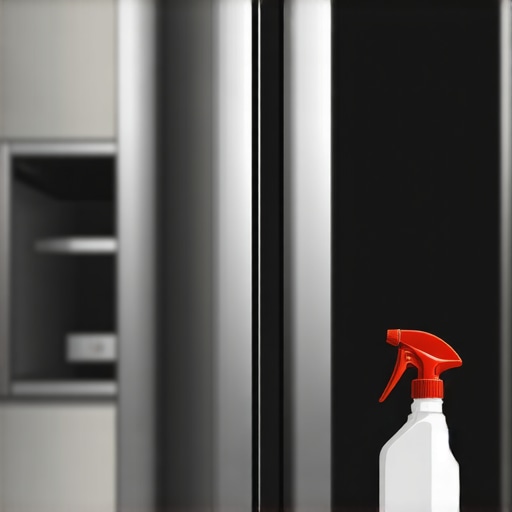
It was a typical Saturday afternoon when I reached into my kitchen fridge to grab some leftovers. As I pulled out the container, I noticed a strange smell lingering—the kind that sneaks up unexpectedly and makes you question everything about your appliance. To my dismay, I found a tear in the gasket of my fridge door, a tiny crack that seemed harmless at first but now looked like the start of real trouble. My heart sank. I realized I had been using a cleaning product that, without knowing it, was silently damaging one of the most vital parts of my appliance.
The Hidden Danger Lurking in Your Cleaning Routine
If you’re like me, you probably treat your refrigerator with a bit of love—cleaning the exterior, spritzing around the gasket, maybe even applying some disinfectant here and there. But what if I told you that one common cleaning product could be the culprit behind your fridge door seal deterioration? That’s right. Over time, certain harsh cleaners can eat away at the rubber gasket, causing cracks, leaks, and eventually, costly replacements. I learned this the hard way, early in my DIY adventure, when I used a heavily scented, chemical-laden spray on the gasket. The next thing I knew, that tiny crack had spread much faster than I anticipated. Avoiding this mistake is easier than you think, once you’re in the know.
Is a Cheap Cleaner Worth the Risk?
I admit, I was initially skeptical about whether a cleaning product could really cause such damage. But after consulting with appliance repair experts and reading multiple articles, it became clear that many detergents and sprays contain solvents or chemicals that can weaken the rubber over time. In fact, using the wrong product might void your fridge’s warranty—something I almost did by ignoring proper maintenance guidelines. Want to save yourself the hassle, money, and frustration? Let’s explore what truly works and what to steer clear of.
Are you tired of replacing your fridge gasket prematurely? Have you noticed signs of cracking or leaks, and wonder what caused it? If so, you’re in good company. Keep reading, because I’m about to share exactly how I tackled this issue and how you can protect your appliance from similar pitfalls. Better maintenance isn’t just about cleaning; it’s about smart choices. Want to learn the secret to keeping your fridge seal intact? Let’s dive in!
Replace the Gasket Carefully to Avoid Further Damage
First, remove the old gasket by unscrewing the retaining clips or pulling it free along the seams. To prevent tearing, gently pry with a flat-head screwdriver wrapped in a cloth, much like lifting a stubborn sticker without ripping the paper. During my own replacement, I made this mistake and snapped a section, leading to an air leak. Applying even pressure and working slowly prevents such mishaps.
Clean the Surface Before Installing the New Gasket
Next, thoroughly clean the groove where the gasket sits with a soft cloth dipped in warm, soapy water. This removes debris and residues that can cause uneven seating. During my attempt, rushing through this step caused the new gasket to sit unevenly, reducing its effectiveness. After cleaning, ensure the surface is dry to achieve a snug fit.
Install the New Gasket Correctly for a Seal that Lasts
Place the gasket onto the door, aligning it with the grooves, and press firmly as you work around the perimeter. Secure clips or retainer bars as necessary. Think of it like assembling a jigsaw puzzle—you want each piece to click into place smoothly. During my trial, I initially forced the gasket into position, causing wrinkles that led to leaks. Moving slowly and confirming alignment ensures a proper seal.
Test the Seal and Avoid Harsh Cleaners
Close the door and check for leaks by feeling for cold air or using a piece of paper to see if it stays snugly against the gasket when the door is closed. Once sealed, clean the gasket regularly with a mixture of warm water and mild soap—avoiding aggressive chemical cleaners—which can deteriorate the material over time. I once used a bleach-based spray, which weakened the rubber and accelerated cracks. Stick to gentle cleaning routines, like described at this guide, to prolong gasket life.
Monitor and Maintain for Long-Term Performance
Finally, routinely inspect the gasket for signs of wear such as cracking or tears. Ensuring proper door alignment by leveling your refrigerator also helps maintain gasket integrity; a misaligned door can cause uneven pressure, leading to premature damage. To keep everything in top shape, learn how proper leveling prevents leaks by visiting this resource. Regular maintenance saves you money and prevents unexpected breakdowns, just like I experienced firsthand when I neglected my gasket and faced a costly replacement.
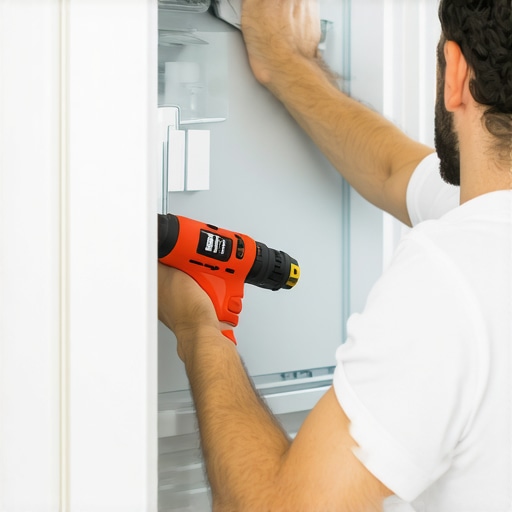 When it comes to appliance installation and repair, many homeowners operate under common assumptions that can lead to costly mistakes. Contrary to popular belief, arriving quickly for same-day service isn’t always the best strategy; sometimes, a thorough diagnosis checked over a few days ensures the problem isn’t a symptom of a bigger issue. For example, many assume that immediate repairs prevent further damage, but rushing into a fix without understanding the root cause can lead to temporary solutions that fail sooner. I’ve seen cases where appliance technicians replaced parts prematurely, only for the same problem to recur within weeks—highlighting the importance of comprehensive troubleshooting, as discussed in expert sources.
Furthermore, many homeowners believe that warranty coverage automatically applies to any repair, but the nuance lies in proper installation and maintenance. Missteps during installation—like incorrect leveling of a dishwasher or improper drain hose placement—can void warranties or reduce coverage, ultimately costing more. For instance, improperly installed dishwashers often leak or malfunction, and correcting this after the fact can be expensive, as outlined in detailed repair guides.
Have you ever fallen into this trap? Let me know in the comments.
### Can I Trust Same-Day Service to Fix My Problem Completely?
Many think booking a same-day appointment guarantees a permanent fix. However, urgent repairs might overlook less obvious issues, like a failing compressor or complex electrical problems that require detailed diagnosis over time. Quick fixes can be tempting, but experts warn that rushing may only mask symptoms temporarily. For example, a refrigerator’s compressor might seem to run fine initially, but underlying issues could cause long-term damage if not properly diagnosed—details elaborated in appliance diagnostic studies.
Moreover, a hidden nuance is the significance of proper installation. Incorrectly installed appliances, such as misaligned door seals or improper leveling, can lead to leaks and operational failures, often misunderstood by homeowners as minor issues. Correcting these post-installation mistakes, like adjusting a dishwasher’s height according to guidelines, can significantly extend appliance lifespan, as shown by repair specialists.
In summary, understanding these intricacies—beyond the surface-level assumptions—can save you hundreds in repairs and replacement costs. Make sure you’re not falling into these common traps by paying attention to installation details and avoiding the lure of quick fixes. For more detailed insights, explore related articles like [the proper way to reset a smart dishwasher](https://discountappliancehub.com/the-proper-way-to-reset-a-glitched-smart-dishwasher) or [why your dryer may be leaving black marks on clothes](https://discountappliancehub.com/why-your-dryer-is-leaving-black-marks-on-your-clothes). Keep your appliances running smoothly by appreciating both the technical details and the broader nuances that influence their longevity.
Invest in Quality Diagnostic Tools to Keep Appliances Running Smoothly
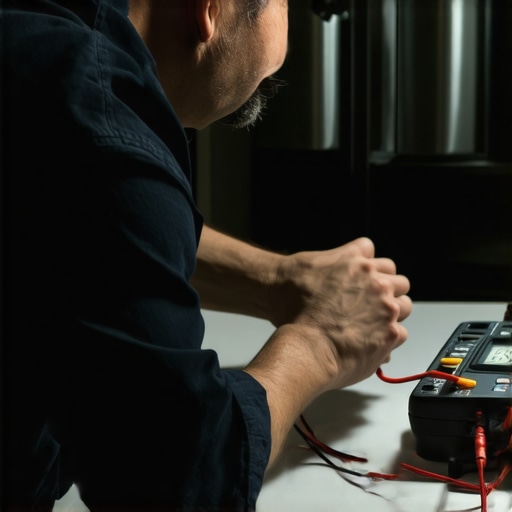
One of my top recommendations is a reliable multimeter, like the Fluke 117. I use it daily to check electrical continuity and voltage levels, ensuring appliances such as your refrigerator or dishwasher are functioning within safe parameters. Pair this with a non-contact voltage tester for quick on-the-spot diagnostics, which saves time and enhances safety. These tools have become indispensable because they allow me to identify issues early, preventing minor problems from escalating into costly repairs.
Utilize Smart Monitoring Devices for Proactive Care
Smart sensors, such as the Honeywell Lyric Wi-Fi Water Leak and Freeze Detector, enable me to monitor appliance conditions remotely. For instance, if my freezer’s temperature spikes unexpectedly, I get an instant alert. This proactive approach helps me address potential failures before they happen, maintaining appliance efficiency and extending their lifespan. Embracing these technologies aligns with the future trend of smart home integration—making preventive maintenance more accessible and effective.
Maintain a Well-Organized Tool Kit for Efficiency
Having a dedicated, organized toolkit ensures that I always have the right tools for the task, whether it’s tightening a loose screw or replacing a faulty component. I recommend including precision screwdrivers, adjustable wrenches, a silicone lubricant for door gaskets, and a gasket removal tool. A well-maintained toolkit reduces repair time and minimizes the risk of damaging delicate parts during maintenance.
Follow Precise Calibration and Maintenance Procedures
Regular calibration of components like thermostats or timers is crucial. For example, I calibrate my oven temperature using an infrared thermometer and oven thermometer, ensuring accurate cooking results. Staying vigilant about maintenance routines, such as cleaning condenser coils every six months—especially important for units like refrigerators—helps prevent efficiency drops and warranty issues. Learning these methods has, over time, saved me significant money and hassle.
How Do I Maintain Long-Term Appliance Performance?
The key is to combine quality tools with good habits. Using diagnostic devices early can identify issues before they cause damage, while smart sensors provide peace of mind through remote monitoring. Regular cleaning and calibration ensure appliances stay in top shape. For example, cleaning condenser coils with a coil brush and vacuum can boost efficiency and prevent overheating, which is often a cause of compressor failure. Adapting these tips ensures you get the most out of your appliances over the years.
Keep in mind that trends point toward increased automation and remote diagnostics—tools like Wi-Fi-enabled sensors are just the beginning. As technology advances, integrating these smart tools will become even more essential for DIY enthusiasts and professionals alike. Don’t hesitate to try a calibration check on your oven using an infrared thermometer; it’s a simple step that can make a big difference in your appliance’s longevity.
The Hidden Lessons I Learned About Appliance Care and Repair
One of the most eye-opening realizations during my appliance repair journey was that even small mistakes, like rushing through gasket cleaning or ignoring proper leveling, can significantly shorten an appliance’s lifespan. I used to believe that a quick fix was enough, but I’ve come to understand that patience and attention to detail are essential for long-term success. Additionally, I’ve learned that investing in quality diagnostic tools and smart monitoring devices can save both time and money, preventing minor issues from turning into major repairs. Lastly, understanding the nuances of installation and warranty conditions has empowered me to make smarter choices, avoiding costly mistakes that many homeowners unknowingly make.
Tools and Resources That Transformed My Approach
My go-to toolkit now includes a reliable multimeter like the Fluke 117, which allows me to perform detailed electrical checks before proceeding with repairs. I’ve also found that smart sensors, such as Wi-Fi water leak detectors, provide peace of mind by alerting me to potential issues early. For comprehensive guidance, I trust resources like this detailed repair guide and expert advice about drain hose installation. These tools and sources have been instrumental in increasing my confidence and effectiveness when maintaining appliances.
Your Next Step Toward Smarter Appliance Care
Remember, the key to extending your appliances’ life and avoiding unnecessary repairs is combining informed choices with proactive maintenance. Don’t wait until a minor issue becomes a major headache—invest in good tools, stay vigilant with routine inspections, and educate yourself on installation best practices. Empowered with the right knowledge and resources, you can keep your appliances running smoothly for years to come. Are you ready to take control of your appliance maintenance and see the difference it makes? Share your experiences or ask your questions below, and let’s build a smarter, more confident approach to home appliance care together.