
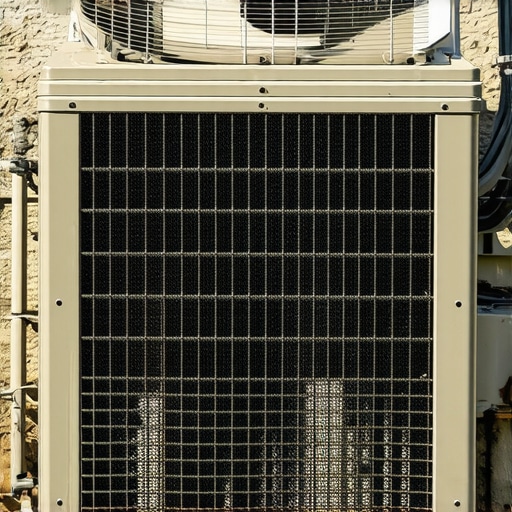
It was the hottest day of the summer, and my family was finally enjoying some relief in the living room. Suddenly, I heard a loud crackling sound coming from the vents. To my horror, I realized my air conditioner was freezing up. The air was warm, and the house was getting uncomfortably hot again—despite the unit running full blast. That lightbulb moment made me wonder: why does this happen exactly when I need my AC the most? And more importantly, how can I fix it quickly and avoid future meltdowns?
Understanding Why Your AC Freezes Up in the Summer Heat
Many homeowners face this frustrating problem just when the thermometer spikes. I’ve been there—scrambling to find solutions on a scorching Saturday afternoon. The truth is, indoor cooling systems can struggle under intense heat, especially if they aren’t properly maintained or if certain mistakes are made early on. When an AC unit gets overwhelmed, it can develop ice on the coils—a clear sign something’s off. But why does this happen right when the weather is at its worst?
The main culprit often lies in airflow issues. If your system’s filters are clogged or if the vents are blocked, the air can’t circulate properly over the evaporator coils. This causes the coils to become too cold, leading to ice formation. Paradoxically, running a dirty filter is like forcing your system to work harder without giving it the breathing room it needs. Regular maintenance, such as changing filters and clearing obstructions, can prevent this problem before it starts. For an easy tip, see this gasket cleaning move that keeps your appliances running smoothly.
Another factor is refrigerant levels. If your system is low on refrigerant or has leaks, it struggles to absorb the heat, causing the coils to freeze. Overcharging refrigerant isn’t the answer either—trust me, I’ve made that mistake early on, and it only complicated the issue. Professional diagnosis is usually necessary to get this right. Also, a malfunctioning fan motor can prevent proper heat exchange, leading to ice buildup. Regularly inspecting and maintaining the fan ensures your AC stays cool and efficient during those blazing days.
Is your AC actually worth fixing or should you consider replacing it?
This is a common question I hear from homeowners. Overall, understanding the root causes of freezing can save you a lot of money and discomfort. A quick online check might reveal simple fixes, but sometimes, the problem is bigger than a clogged filter. If your unit is older or has persistent issues, consulting a professional for a thorough assessment can be the wise move. Remember, neglecting early signs often leads to more costly repairs down the line.
If you’ve experienced this frustrating freeze-up during the summer, you’re not alone. Addressing airflow, refrigerant, and mechanical issues early on can make all the difference, keeping your home cool and your system healthy. Ready to learn the practical steps to keep your AC frost-free? Let’s dive into the essential maintenance tips that can save you time, money, and sleepless summer nights.
Clear the Air Filters First
The first step I took was replacing my clogged air filter. Think of it like breathing through a straw—if it’s blocked, your lungs (or in this case, the AC) work harder. I pulled out the old filter, checked for accumulated dust and debris, then installed a new, high-quality filter. This simple move immediately improved airflow, which prevented the coils from freezing. Regularly changing filters is a must—set a reminder every 1-3 months to avoid this common issue.
Check and Restore Refrigerant Levels
Next, I inspected the refrigerant. Imagine trying to cool a room with a low supply of ice—insufficient refrigerant hampers heat exchange, causing the coils to freeze. I contacted a licensed technician who performed a pressure test. If refrigerant levels are low, they can add more, but only with professional tools. Overfilling refrigerant can be just as damaging, so avoid DIY charges. Proper levels ensure your system can handle the summer heat without icing over.
Ensure Proper Fan Operation
I then verified that the fan motor was functioning properly. The fan circulates air over the coils—think of a breeze that keeps hot skin cool. If the fan isn’t spinning correctly, heat isn’t effectively expelled, and ice forms. I listened for unusual noises, checked for debris obstructing the blades, and confirmed it was running smoothly. If not, replacing a faulty fan motor is straightforward—just like swapping out a broken set of windmill blades—restoring proper airflow and preventing freezing.
Inspect and Unblock Vents and Registers
I moved on to checking all vents and registers. It’s like opening windows on a breezy day—blockages trap warm air, stressing the AC. I cleared any furniture, curtains, or debris that might obstruct airflow. This simple act can drastically reduce strain on your system, especially during peak heat, keeping coils above freezing temperature. Remember, consistent airflow is your best friend in summer cooling performance.
Monitor for Leaks and Mechanical Malfunctions
Later, I visually inspected for refrigerant leaks or ice buildup on the coils—signs of deeper mechanical issues. If you notice loose connections or persistent freezing, schedule a professional evaluation. Ignoring these signs is like leaving a leak unattended—it can cause costly damage. Professionals can also verify compressor health and test circuit boards to ensure your AC isn’t fighting itself.
Optimize Your AC Usage
Finally, I adjusted my thermostat settings—setting a comfortable, not overly cold, temperature reduces stress. Using a programmable thermostat can help maintain consistent indoor conditions without overworking your unit. Keep windows and curtains closed during peak sunlight hours to cut down on heat gain, easing your AC’s workload and keeping freezing problems at bay during the hottest days.
When it comes to appliance repair, many homeowners operate under assumptions that can cost them time, money, and frustration. Common beliefs like the necessity of same-day service for all problems or that installation is a straightforward process often lead people astray. In reality, understanding the nuanced realities behind these services can help you make smarter decisions and avoid costly pitfalls.
Why Immediate Repair Doesn’t Mean Better Quality
Many assume that requesting same-day repair is always the best approach. While quick service can be helpful during emergencies, rushing repairs may compromise quality. Instant fixes sometimes overlook underlying issues, leading to recurring problems and even warranty voidance if not handled properly. For example, rushing a repair without proper diagnostics can result in unnecessary replacements or damage, which might void your warranty. A professional’s thorough assessment, while it may take slightly longer, ensures the repair is both accurate and durable. Remember, the goal is a lasting fix, not just a quick Band-Aid. Also, it’s a misconception that all repair technicians provide these quick services at the same quality; choosing certified, experienced professionals is crucial to avoid subpar work. If you want to understand how to safeguard your warranty during repairs, check out this guide on warranty protection.
Installation Matters—But We’re Often Misled
Installation mistakes are a hidden source of appliance failure. Many homeowners think installation is as simple as plugging in a device and hoping for the best. The truth is, improper setup—such as incorrect leveling of washers or misaligned refrigerator doors—can lead to premature breakdowns or inefficiencies. Overlooking these details can also void warranty coverage. For instance, placing a refrigerator too close to the wall can impede the drain pan and lead to water damage, as discussed in this installation error article. It’s vital to hire trained professionals who understand the precise specifications for each appliance. Furthermore, DIY installation might seem tempting, but it often results in subtle errors that only become apparent after failure—costing more down the line. Never underestimate the importance of proper installation to prolong your appliance’s lifespan and maintain coverage.
Warranties: Are You Using Them Right?
Many homeowners believe that warranties cover every type of repair or replacement, but that’s far from the truth. Warranties often have specific exclusions, conditions, and timeframes, which, if misunderstood, can leave you footing the bill unnecessarily. For example, using non-OEM parts during repair can void your warranty, as discussed in this article about warranty terms. Also, neglecting regular maintenance—like cleaning filters or inspecting for leaks—can invalidate coverage when problems arise. It’s equally important to understand whether your warranty transfers if you sell your home or upgrade appliances, as explained in this warranty transfer guide. Knowing these nuances empowers you to leverage your warranty effectively, saving money and stress.
Understanding these hidden facets of appliance repair and service is essential to making informed choices. Don’t fall into the trap of oversimplifications or misconceptions. Instead, focus on professional diagnostics, correct installation, and fully understanding your warranty rights. Have you ever fallen into this trap? Let me know in the comments.
Tools I Trust for Long-Term Appliance Care
Maintaining appliances over time requires more than just routine checks; it demands the right tools to diagnose and address problems effectively. Personally, I rely heavily on a digital multimeter because it allows me to test electrical components like thermostats, capacitors, and wiring with precision, ensuring that issues are identified accurately before they escalate. For instance, checking the continuity of a faulty dryer sensor can save hours of guesswork. Additionally, a refrigerant leak detector has become indispensable—it’s the one device that helped me pinpoint refrigerant issues early, preventing costly repairs or replacements. These tools are not just for professionals; reputable models are affordable and user-friendly enough for do-it-yourself enthusiasts committed to preserving their appliances.
Another essential item I recommend is a [pipe inspection camera](https://discountappliancehub.com/3-maintenance-moves-to-triple-your-refrigerators-lifespan), which surprisingly doubles as a diagnostic device for internal components like condensers and drainage lines. It’s invaluable for spotting hidden blockages or corrosion that can cause operational failures over time. Investing in quality tools means you can perform minor repairs or maintenance tasks yourself, reducing the need for emergency calls and extending appliance lifespan.
Routine Checks That Make a Difference
Implementing scheduled maintenance routines is the backbone of keeping appliances functional long-term. I schedule quarterly inspections for my major appliances, focusing on areas prone to buildup or wear. For refrigerators, I clean the condenser coils—this simple move prevents overheating, increases efficiency, and significantly prolongs compressor life. I do this with a specialized brush and a vacuum, which I consider must-have tools. Also, regularly inspecting door seals ensures no cool air leaks—an often-overlooked factor that affects energy consumption and compressor health. To keep these seals in tip-top shape, I follow a quick gasket cleaning move I linked earlier, which has saved me from costly repairs.
Long-Term Benefits of Proper Maintenance
Well-maintained appliances are more dependable, efficient, and less prone to sudden breakdowns. Over the years, I’ve observed that consistent upkeep not only saves money but also maintains the integrity of warranties—important if you’re considering appliance replacements or repairs. Modern systems are increasingly equipped with smart sensors that can alert you to issues before they become critical, but these features require regular software updates, which I manage through dedicated apps linked to my smart home network. Predictive diagnostics are a trend on the rise—future appliances will warn homeowners of potential failures days before they happen, making proactive maintenance easier than ever. To stay ahead, I recommend familiarizing yourself with your appliance manuals and digital troubleshooting guides.
How do I maintain my appliances over time?
Establishing a consistent maintenance schedule, keeping essential diagnostic tools at hand, and staying informed about the latest technology are the best ways to ensure your appliances keep serving reliably. A quick check on your refrigerator’s drainage loop or replacing a worn-out door gasket can prevent major failures. For example, performing the simple cleaning move that stops fridge leaks is a straightforward step that yields long-term benefits. Remember, proactive care often requires just a few minutes but pays off in durability and performance. Want to make maintenance even easier? Consider investing in a digital multimeter and a leak detector—these tools can help you troubleshoot issues early, saving you time and money. For an advanced tip, try checking your condenser coils quarterly with a specialized brush and vacuum; it’s a game changer for refrigerator longevity. Ready to get started? Gather your tools and schedule your first maintenance routine today.
What They Won’t Tell You About Appliance Emergencies
The biggest lesson I’ve uncovered is patience. Rushing into repairs or assuming you need a new appliance immediately often overlooks simple fixes that can save you hundreds. Taking the time to diagnose correctly—like checking your condenser coils or inspecting airflow—can prevent unnecessary replacements. I found that trusting seasoned professionals, especially for refrigerant or electrical issues, ensures a lasting solution instead of a temporary patch. Remember, a calm approach combined with proper tools can transform a stressful situation into an opportunity to learn and save.
Tools That Became My Lifesavers in Appliance Care
Investing in a quality digital multimeter and refrigerant leak detector changed my maintenance game entirely. These tools empower you to test and troubleshoot issues early—saving time, money, and frustration. For instance, I discovered small leaks before they caused ice buildup or compressor failure. I’ve also found that a good pipe inspection camera helps spot internal blockages or corrosion—things that are invisible to the naked eye but critical for appliance longevity. These devices are affordable gateways to becoming your own reliable repair resource.
Lessons From My Summer Appliance Fumbles
The most unexpected insight came from understanding that many freeze-ups stem from airflow obstructions or low refrigerant. Regularly cleaning filters and ensuring vents are unobstructed can be your first line of defense. Also, scheduling routine maintenance like coil cleaning or seal inspections extends appliance lifespan significantly. I now see that preventative care isn’t just about fixing things; it’s about creating a stress-free, energy-efficient home environment. If you’re serious about keeping your appliances running smoothly, these proactive steps are your best allies.
Insider Wisdom About the Hidden Costs and Myths
One lightbulb moment was realizing that same-day service isn’t always the best choice—rushing repairs can overlook underlying issues, leading to repeat failures. Similarly, improper installation can silently sabotage your appliance’s performance, making warranties void and repairs more costly. I’ve learned that understanding warranty conditions—like ensuring the correct power supply or proper setup—protects your investment long-term. These lessons highlight that being informed and patient pays off, especially when it comes to appliance longevity and avoiding hidden costs.
Action Starts With One Step Today
If you’re tired of unexpected breakdowns and costly repairs during the hottest days, now’s the time to start your proactive appliance care journey. Regular maintenance, smart troubleshooting, and understanding your warranty rights create a resilient home. Remember, the more you learn and prepare, the less you’ll be caught off guard. So gather your tools, set reminders for routine checks, and embrace the mindset that prevention beats repair. You’ve got the power to keep your appliances—and your summer cool—without stress.