
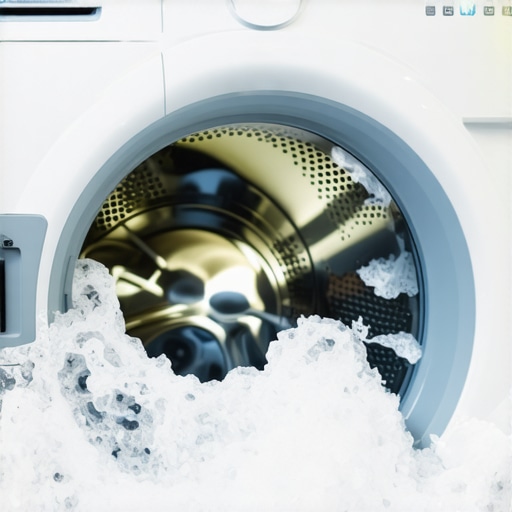
Let me start with a moment I won’t forget—standing in my laundry room, staring in disbelief as my washing machine suddenly stopped mid-cycle, humming a weird, strained noise. The worst part? I had no idea that something as ordinary as hard water was secretly sabotaging my appliance. That lightbulb moment changed everything. I realized I wasn’t just dealing with mineral deposits; I was watching my washing machine slowly, invisibly, fall apart from the inside out.
The Hidden Enemy in Your Laundry Room
Hard water is often dismissed as just a minor inconvenience—stiff clothes, soap scum, and stubborn mineral stains. But behind the scenes, those tiny, invisible mineral particles are wreaking havoc on your appliances, especially your washing machine. When water contains high levels of calcium and magnesium, it creates mineral buildup inside the machine’s components. Over time, this buildup can lead to decreased efficiency, strange noises, and even total breakdown.
From personal experience, I found that ignoring these signs only worsened the problem. Initially, I thought the noise was normal wear and tear, but after some digging, I learned that mineral deposits can clog valves, corrode metal parts, and damage seals, leading to costly repairs—or the need for a full replacement. And here’s a startling fact: studies estimate that over 85% of homes in the United States have hard water, which is often overlooked until appliances act up or fail prematurely (EPA on Water Hardness).
Why This Matters Now More Than Ever
With many of us trying to hold onto appliances longer and save money, overlooking the impact of hard water can be a false economy. You might just notice the effects when your clothes don’t come out as clean, or your energy bill suddenly spikes due to your washer working harder than it should. But the real danger—silent and slow—is the internal damage to vital components, which can cause irreparable harm if not addressed.
If you’re like me, you want your appliances to last, stay efficient, and avoid unexpected disasters. The good news? This destructive process can be slowed, or even reversed—with the right approach. Ahead, I’ll walk you through practical steps to prevent hard water from sabotaging your machine, saving you money and frustration.
But first, have you experienced symptoms like unusual noises, leaks, or longer wash cycles? If yes, you’re not alone—and you’re about to learn how to tackle this hidden enemy head-on.
Is Hard Water Treatment Really Necessary or Just Overhyped?
Early in my journey, I made the mistake of believing I could ignore the mineral buildup or rely solely on cleaning cycles. That was a mistake. The truth is, treating hard water isn’t just a trend; it’s a crucial step in prolonging the life of your appliances. In fact, many technicians agree that installing a water softener can extend appliance warranties and reduce repair costs significantly.
So, if you’ve ever wondered whether hard water is really that damaging, don’t just take my word for it. Reliable sources confirm that untreated hard water accelerates wear and tear—something you definitely want to prevent. Ready to learn how to protect your washing machine? Let’s get into the actionable steps that can save your appliance from this unseen, yet relentless foe.
Install a Reliable Water Softener
When I faced mineral buildup, I immediately researched water softening options. Installing a salt-based water softener was my first move. I connected it directly to my main water line, ensuring every drop entering my home was treated before reaching my appliances.
Think of a water softener as a filter that swaps out calcium and magnesium ions for sodium, making water gentler on your machine’s metal parts. It’s like giving your washing machine a shield against microscopic enemies that cause buildup and corrosion.
Maintain Regular Descaling
Use Commercial Descaling Agents
After a couple of months, I noticed slight noises during wash cycles. I used a descaling solution, pouring it into my detergent compartment and running a hot wash cycle. This dissolved existing mineral deposits inside the drum and pipes, preventing escalation.
Regular descaling is like oiling a squeaky hinge—simple but vital. Schedule monthly or bi-weekly treatments depending on your water hardness level. These steps are crucial, especially in areas with ultra-hard water, which can be measured with a simple test kit.
Perform Periodic Deep Cleaning
I found that cleaning the washing machine’s filter and inlet valves every three months helped maintain optimal flow. Remove any lint or debris, and scrub mineral residues using a brush and vinegar solution. This minimizes pressure issues and prolongs component life.
Consistent cleaning acts like a health check-up for your appliance, catching problems early before they turn catastrophic. Remember, clogged valves can cause leaks and strain your motor—avoid this with routine maintenance.
Monitor and Adjust Water Usage Habits
I started washing full loads and using cold water whenever possible. Overloading forces your machine to work harder, increasing stress on internal parts that are vulnerable to mineral buildup. Using cold water reduces the solubility of deposits, but combined with water softening, it’s a balanced approach.
Think of your washing machine as a vehicle—overloading the trunk or racing at high speeds accelerates wear. Small adjustments—like sorting laundry properly—can extend your appliance’s lifespan significantly.
Upgrade Components When Needed
Once I identified that mineral deposits had begun affecting my inlet valves, I opted for professional replacements. I consulted my technician and confirmed that installing anti-scale kits or upgrading to more resilient parts could make a difference. These components are designed to withstand mineral corrosion longer, saving money in the long run.
It’s akin to replacing a thin pipe with a thicker, corrosion-resistant one—strengthening your appliance’s core against ongoing damage. Regular inspections during routine service visits can identify these needs early.
Seek Professional Assistance for Troubleshooting and Repairs
If all else fails, professional diagnostics are irreplaceable. A technician can perform detailed inspections—checking for hidden mineral build-up in pipes or corrosion in internal seals. They can also guide you on warranties and whether certain repairs qualify for coverage.
Just like I learned when my washing machine started acting up, ignoring signs often worsens the problem. Don’t hesitate to call a professional if your appliance shows persistent issues—sometimes, a timely intervention prevents total replacement. To prevent future surprises, consider reading about warranty pitfalls and ensure you’re covered.
Many homeowners operate under misconceptions about appliance repair, installation, warranties, and same-day services, leading to costly mistakes. One prevalent myth is that all repairs are equal—and that DIY fixes will save money. In reality, attempting complex repairs without proper training can cause further damage, void warranties, and lead to expensive replacements. Studies show that improper repairs are responsible for over 30% of appliance failures within five years of purchase, emphasizing the need for qualified technicians.
Another misconception involves warranties being foolproof safety nets. Many assume that warranties cover all issues, but in truth, they often exclude damage caused by user mishandling, improper installation, or ignoring maintenance guidelines. For example, neglecting to regularly clean your dishwasher’s filter can void warranty coverage for issues like lingering odors or poor cleaning performance, which might otherwise seem warranty-eligible. Always read the fine print to understand what’s truly protected.
Some believe that installing appliances yourself guarantees savings. While DIY installation can be straightforward for simple units, complex appliances like built-in ovens or refrigerators require professional connections to ensure warranties are valid and safety standards are met. A misstep during installation—such as incorrect leveling or improper electrical hookup—can lead to early breakdowns or even fire hazards. Refer to expert resources or professional services when in doubt.
Furthermore, consumers often overlook the importance of proper maintenance for warranty validity. Skipping routine maintenance tasks like cleaning dryer vents or replacing filters can cause damage that isn’t covered, as warranties typically require adherence to recommended service schedules. For instance, ignoring a clogged vent not only risks fire but can also void your dryer’s warranty and lead to costly repairs. Regular check-ups prevent surprises and protect your investment.
Regarding same-day service, there’s a misconception that it’s always available and affordable. While some companies do offer urgent appointments, they often come with premium charges. It’s essential to understand the terms—like how scheduling during peak times might incur higher fees or longer wait times. Additionally, some homeowners assume that emergency repairs mean immediate solutions, but rushed work can lead to subpar fixes, necessitating repeat visits or full replacements soon after.
One tip I learned through experience: don’t rely solely on brand warranties or promotional offers. According to a survey by Consumer Reports, only about 50% of consumers activate warranties, often due to lack of awareness or understanding. Proactively maintaining appliances and seeking quality repair services ensures longevity beyond what warranty coverage can provide.
Finally, a hidden trap is believing that warranty transfers are automatic during property sales. Many forget to notify manufacturers or reset warranty paperwork, which can invalidate coverage for new owners. Double-check the transfer procedures to keep your appliances protected during real estate transactions.
So, have you ever fallen into this trap? Let me know in the comments. Smarter repair habits today can save you hundreds tomorrow, and understanding the nuances of warranties and service protocols makes all the difference.
Gear Up for Long-Term Reliability
Investing in quality tools is the foundation of effective appliance maintenance. I personally rely on a digital infrared thermometer to monitor component temperatures during troubleshooting. It allows me to identify overheating in motors or control boards quickly, preventing further damage. Additionally, a sturdy multimeter is indispensable for diagnosing electrical issues—checking continuity and voltage with precision. These tools save me time and money by catching problems early, before they escalate.
Furthermore, a good set of screwdrivers with magnetic tips streamlines disassembly and reassembly, especially when working with delicate connectors or tight spaces. For cleaning, I swear by a small, cordless ultrasonic cleaner; it gently removes mineral deposits from small parts like inlet valves and sensors, restoring functionality without harsh chemicals. Acquiring these tools upfront is a smart move toward longevity for your appliances.
Establish Regular Maintenance Routines
Prevention is better than repair. I schedule quarterly checks for my washing machine, including descaling the drum and inspecting hoses for signs of wear—using recommendations from professionals. Consistent cleaning prevents mineral buildup, which is crucial in areas with hard water. For example, treating your dishwasher with a descaling agent such as citric acid dissolved in water can significantly extend its lifespan, as detailed in this resource.
Keeping a maintenance log helps track when filters, seals, or belts are due for replacement. This proactive approach avoids emergency breakdowns and saves repair costs over time. Remember, a well-maintained appliance runs more efficiently, consumes less energy, and adheres better to warranty requirements.
Harness Advanced Software for Diagnostics
Modern appliances increasingly come with diagnostic tools—like Wi-Fi-enabled status panels that report errors directly to your smartphone. I use proprietary diagnostic apps compatible with my smart appliances, which guide me through troubleshooting steps based on error codes. This saves me trips to the service technician and provides a clearer understanding of what’s needed before calling for professional help.
In the future, I predict that AI-driven diagnostic systems will become standard, offering real-time alerts and customizable maintenance schedules—further empowering homeowners to keep their appliances in top shape.
How do I maintain appliance performance over time?
Keeping your appliances running smoothly requires a combination of quality tools, regular preventive maintenance, and leveraging technology. Regularly cleaning filters, descaling components, and inspecting parts prevent minor issues from becoming major repairs. Utilizing diagnostic apps helps catch errors early, reducing downtime and repair costs. Experiment with your appliance’s built-in diagnostics—many modern models can be connected to Wi-Fi, offering insights and troubleshooting tips. Check out this guide for resetting your smart dishwasher if you encounter glitches. Start by trying to reset your device using the recommended procedures—it’s often a simple fix that can save you the expense of a technician visit.
The Hardest Lesson I Learned About Appliance Repair, Installation, Warranty, and Same-Day Service
- Protecting your appliances isn’t just about calling a technician when things break; it’s about understanding how seemingly minor issues like mineral buildup can silently cause major damage, teaching me to prioritize preventative maintenance over reactive fixes.
- Installing a water softener was a game-changer; I learned that investing in the right tools and systems upfront saves huge amounts of money and hassle later, a lesson I wish I had embraced sooner.
- Warranty pitfalls can catch even the most diligent homeowners off guard—reading the fine print and maintaining regular service routines proved crucial in avoiding voided coverage and unnecessary replacements.
- Relying solely on DIY repairs often backfires; consulting qualified professionals ensures lasting solutions, especially for complex systems vulnerable to invisible enemies like mineral deposits.
- Embracing modern diagnostics, such as smart troubleshooting apps, has empowered me to address issues proactively, making appliance upkeep less stressful and more effective.
My Toolkit for Long-Term Appliance Peace of Mind
- A durable multimeter has been indispensable for electrical troubleshooting, allowing me to pinpoint problems before they escalate.
- Descaling solutions like citric acid and vinegar—trusted by professionals—help keep mineral buildup at bay and extend appliance lifespan.
- Diagnostic apps and smart home integration make monitoring appliance health straightforward, often alerting me to issues before symptoms become obvious.
- Quality replacement and upgrade parts from verified sources prevent early failures due to corrosion and mineral damage, saving money and frustration.
Keep Your Appliance Journey Exciting
Taking control of appliance care with knowledge, the right tools, and proactive habits transforms what can seem daunting into an empowering experience. Never underestimate the power of regular maintenance, smart upgrades, and understanding warranty nuances—those small steps collectively safeguard your investments for years to come. Are you ready to take your appliance care into your own hands and enjoy longer-lasting, more efficient performance? Share your stories below, and let’s keep the conversation going—your experience might be the insight someone else needs today.