
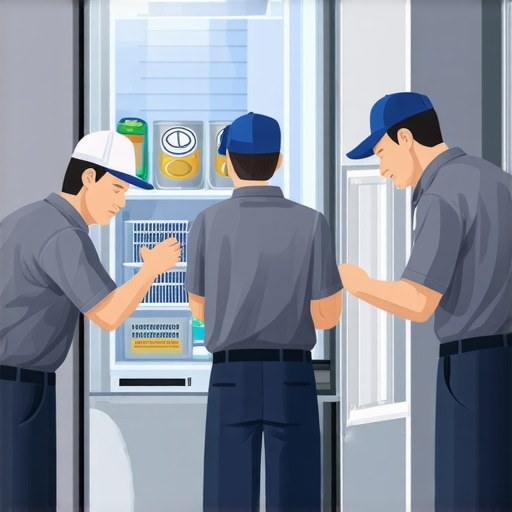
Have you ever opened your fridge on a hot summer day, only to find it struggling to keep things cool? It’s that sinking feeling when you realize your trusty appliance isn’t as reliable as it once was. A few years ago, I faced a moment of panic when my refrigerator suddenly started making strange noises and refused to reach its proper cooling temperature. That wake-up call led me down a path of discovery – I realized that simple, consistent maintenance could significantly extend the life of my fridge. Honestly, it was eye-opening.
Now, I want to share with you a secret I’ve unraveled over years of tinkering, troubleshooting, and learning from mistakes. These are not flashy upgrades or costly replacements. Instead, these are basic yet powerful maintenance moves that can **triple** the lifespan of your refrigerator. Yes, you read that right—triple. Implementing these tips can save you hundreds of dollars and prevent that heartbreaking breakdown when you need your fridge the most.
Why Simple Maintenance Matters More Than You Think
Many homeowners overlook the importance of regular upkeep, assuming that once an appliance is installed, it should just work. But the reality is, refrigerators are complex systems with coils, filters, and moving parts that require occasional TLC. Neglecting these can lead to energy inefficiency, higher utility bills, and early failure. According to the Department of Energy, a well-maintained refrigerator can last 10-15 years, but poor maintenance might cut that down to half or less. That’s a substantial difference.
I learned this lesson early on from a costly mistake: I ignored cleaning the condenser coils. Initially, I thought that was just a small detail, but it turned out to be the main culprit when my fridge started overheating and working overtime. Cleaning those coils regularly is a game-changer. It’s simple, fast, and surprisingly effective. Curious? Keep reading, because I’m about to reveal the top three moves that turned my aging fridge into a reliable workhorse.
Is It Really Worth the Effort? My Honest Take
I understand skepticism. It’s tempting to dismiss these tasks as unnecessary or too time-consuming. I was there too. But early on, I made the mistake of ignoring routine checks, which led to a costly replacement far sooner than expected. Trust me, proactive maintenance is far cheaper and easier than dealing with unexpected failures or warranty claims.
If you’ve ever procrastinated on a simple cleaning or overlooked a grinding noise, you’re not alone. But small actions add up—especially when it comes to your refrigerator. And if you’re wondering about the effectiveness of these moves, I invite you to explore the [real cost of skipping your annual AC tune-up](https://discountappliancehub.com/the-real-cost-of-skipping-your-annual-ac-tune-up), which echoes the same principle: regular upkeep saves money in the long run.
So, are you ready to learn the three crucial maintenance moves that will extend your fridge’s life and keep your groceries cold for years to come? Let’s dive into these simple but powerful steps I swear by.
Clean the Condenser Coils Regularly
Start by unplugging your fridge and locating the back panel where the coils are housed—usually at the bottom. Use a stiff brush or vacuum with a brush attachment to remove dust, pet hair, and debris accumulated over time. I once ignored this step and found my fridge overheating, which caused its compressor to work overtime and shorten its life. After cleaning, I noticed a significant drop in energy use and noise level, affirming the importance of this simple task.
Inspect and Replace Door Seals Annually
Check the rubber gasket around your fridge door for cracks or gaps by closing a dollar bill or thin paper between the seal and the door frame; if it slips out easily, it’s time to replace it. In my experience, replacing a worn door gasket was straightforward—I ordered OEM parts online and followed the manufacturer’s instructions. This prevented cool air from leaking, reduced strain on the compressor, and kept food fresher longer. Proper seals also prevent excess humidity, which can lead to mold growth.
Maintain Proper Temperature Settings and Avoid Overloading
Set your fridge temperature between 37°F and 40°F (3°C to 4°C); colder settings don’t preserve food better and can cause unnecessary strain. I kept my fridge at a colder setting out of habit but realized that it was making the compressor work harder without additional benefits, contributing to early wear. Additionally, avoid overfilling the fridge, which blocks air circulation. Just a few months ago, I rearranged my items, ensuring space for air to flow, leading to more consistent cooling and less energy consumption. For more details on optimal temperature and loading, see this guide.
Many homeowners assume that requesting same-day appliance repair guarantees quick and reliable service, but the reality is more nuanced. A common myth is that all technicians offering expedited service are equally qualified or trustworthy. In my experience, some providers prioritize speed over quality, potentially leading to rushed repairs that don’t address underlying issues, which can void your warranty or cause future breakdowns. For example, bypassing the use of OEM (Original Equipment Manufacturer) parts to save time might seem convenient, but it can violate warranty terms. According to industry experts, using non-OEM replacement parts—especially without proper knowledge—can result in solutions that only mask problems temporarily, undermining the durability of your appliance and risking warranty invalidation. To avoid this trap, always verify that the repair service is authorized and committed to quality, not just speed.
Another hidden nuance often overlooked is misjudging the actual scope of your appliance warranty. Many assume that covering repairs is all you need to worry about, but warranties typically specify the conditions under which they remain valid. For instance, attempting DIY repairs or unconventional fixes like using non-approved parts can immediately void your warranty. This is why it’s critical to understand the fine print and follow manufacturer guidelines diligently. Discussions with experts reveal that warranties are designed to protect you from manufacturing defects, but only if proper procedures are followed. Educating yourself about warranty terms ensures you don’t unintentionally lose coverage, especially when relying on third-party repair services.
Why does rushing repair sometimes backfire and cost more?
The desire for rapid service can lead homeowners to choose lesser-trained technicians or shortcuts—like neglecting proper diagnosis—which often results in repeat repairs. A quick fix might seem efficient initially but can mask deeper faults, ultimately leading to bigger problems and higher costs. Studies show that improperly repaired appliances tend to fail sooner, causing added inconvenience and expense. For example, neglecting to check water pressure issues in dishwashers, which can damage the pump and void warranty if unaddressed, is a common mistake. Instead, investing in qualified, certified technicians ensures that repairs are thorough, saving money and maintaining your warranty’s integrity in the long run.
Be cautious during installation too. Improper setup, such as incorrect leveling or inadequate electrical connections, can cause appliance failures that are not covered by warranty. For instance, a poorly installed refrigerator might produce excess noise or leak water, leading to costly repairs or voided coverage. It’s worth noting that many warranties specify that professional installation is mandatory to maintain validity. You can learn more about installation pitfalls in our detailed guide on common installation mistakes.
Have you ever fallen into this trap? Let me know in the comments. Remember, understanding the fine print and choosing qualified service providers can prevent costly mistakes, extend appliance lifespan, and ensure your warranty remains valid when you need it most.
Investing in the Right Equipment Can Save Time and Money
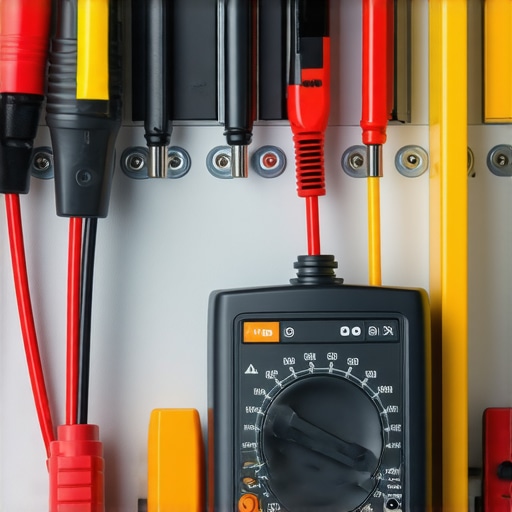
When it comes to maintaining your appliances or ensuring quick repairs, having the right tools is essential. Personally, I swear by a high-quality digital multimeter like the Fluke 116 for accurate diagnostics. It helps me quickly identify electrical issues, such as faulty thermostats or burned-out capacitors, without guessing. Additionally, a good set of socket wrenches, insulated screwdrivers, and a multimeter allow me to perform most routine checks and minor repairs myself, saving valuable time and money.
Another indispensable tool is an infrared temperature gun. It enables me to quickly verify that components like the compressor or heating elements are operating within specified temperature ranges, which is crucial for diagnosing failing parts. I recommend the Fluke IR thermometer because of its precision and durability. These tools make regular maintenance more manageable, especially when trying to extend the lifespan of critical appliances like refrigerators and dishwashers.
Software and Monitoring for Long-Term Success
Beyond physical tools, I utilize specialized diagnostic apps provided by manufacturers or third-party services. For example, some smart thermostats and appliances come with diagnostic apps that can alert you to issues before they become major failures. Setting up these systems early on allows for proactive maintenance, which is vital for long-term appliance health. For instance, monitoring your AC’s performance via an app like the Ecobee app helps catch inefficiencies early, aligning with the trend of smart home integration.
Regularly reviewing usage patterns and error logs can uncover subtle problems, preventing costly breakdowns. These digital tools guide me in scheduling maintenance or repairs before failures happen, ensuring the warranty stays intact and reducing downtime.
How do I keep tools and techniques effective over time?
Consistent calibration and proper storage are key. I make a habit of checking my multimeter annually against known voltage sources to maintain accuracy. Proper storage—like keeping tools in a dry, organized toolbox—prevents damage and ensures they’re ready when needed. Updating diagnostic apps and firmware also ensures I benefit from the latest features and fixes, which can be crucial for diagnosing modern smart appliances. Ultimately, investing in high-quality, precise tools and maintaining them is an ongoing process that pays off over the appliance’s lifetime.
Looking ahead, the integration of IoT devices and AI-driven diagnostics will further simplify appliance maintenance, making it more accessible for everyday homeowners. According to industry projections, smart troubleshooting will become standard in the next decade, reducing the need for emergency repairs and improving warranty compliance. For now, though, choosing reliable tools like a Fluke multimeter and staying vigilant with regular checks is the best approach.
Make the Task Easier: Try a Digital Multimeter Today
If you haven’t yet invested in a reliable multimeter, now’s the time. It’s an affordable, powerful tool that can prevent small issues from turning into big, expensive repairs. By combining the right hardware with proactive monitoring, you can keep your appliances running smoothly, extend their lifespan, and stay ahead of warranty pitfalls. Remember, even the best tools require regular calibration and proper handling—so treat them well. If you’re interested, start by trying a digital multimeter like the Fluke 116 and see how it simplifies diagnosing issues on your own.
Lessons That Kept Me from Costly Mistakes
One of the most eye-opening lessons I’ve learned about same-day service and appliance warranties is the importance of trusting qualified technicians. Rushing to get service can sometimes lead to shortcuts that void your warranty or cause future breakdowns. For example, I once opted for a quick fix without checking if the technician used OEM parts; later, that decision resulted in a repeat repair and additional expenses. This taught me to prioritize reputable service providers even if it takes a bit longer. Also, I discovered that not all warranties are created equal—reading the fine print can prevent surprises when you need coverage. Recognizing these hidden nuances has been key to extending my appliances’ lifespan and avoiding unnecessary costs.
Another lightbulb moment was understanding how installation errors can silently sabotage your appliance’s longevity. Improper leveling or inadequate electrical connections may seem minor but can lead to premature failure. Investing in professional installation not only protects your warranty but also ensures the appliance functions efficiently. Moreover, I realized that regular monitoring and diagnostic tools, like a high-quality multimeter, are invaluable for early detection of issues—saving you from expensive repairs later. Learning to read these subtle signs has empowered me to maintain my appliances proactively instead of reactive fixes.
Lastly, I’ve come to appreciate that embracing modern tech—like smart diagnostics and monitoring apps—can give you an edge. They provide early alerts and detailed insights, helping you schedule maintenance before problems escalate. This proactive approach keeps appliances running smoothly, maximizes warranty benefits, and reduces downtime. Overall, these lessons underscore that a small investment in knowledge and quality can significantly pay off in appliance longevity.
Tools and Resources That Made a Difference
If you’re serious about extending the life of your appliances, a few trusted tools and resources can be game-changers. My top recommendation is a reliable digital multimeter, such as the Fluke 116. It helps me diagnose electrical issues swiftly and accurately, preventing minor problems from turning into costly repairs. I also rely on professional repair guides and trusted industry blogs, like those linked on this site, which offer clear step-by-step advice that keeps me confident during troubleshooting. For appliance installation, I recommend consulting manufacturer-specific online tutorials and certified installers to ensure everything meets warranty requirements.
Furthermore, investing in diagnostic apps provided by appliance brands, especially for smart units, allows real-time monitoring and early problem detection. These digital resources help me stay ahead of potential issues, thus safeguarding my warranty and avoiding unwarranted service visits. Remember, combining proper tools with ongoing education creates a solid foundation for appliance longevity.
Finally, don’t overlook the value of community forums and local trade associations. They provide a wealth of practical tips and shared experiences that can save you time and money. When combined, these resources turn maintenance from a daunting chore into an empowering routine that preserves your appliances’ health.
Your Next Step Toward Peace of Mind
Taking control of your appliance maintenance might seem challenging at first, but with each small move—like checking your door seals or investing in quality tools—you’re building a robust defense against costly failures. Remember, the most reputable appliances and warranties are only as good as the care they receive. Embrace proactive habits and leverage smart resources to protect your investment and ensure those appliances serve you reliably for years to come. Be confident—you’ve got this, and a little effort now will save plenty later.
What’s one maintenance move you think you’ll prioritize this month to extend your appliance’s lifespan? Let me know below!