
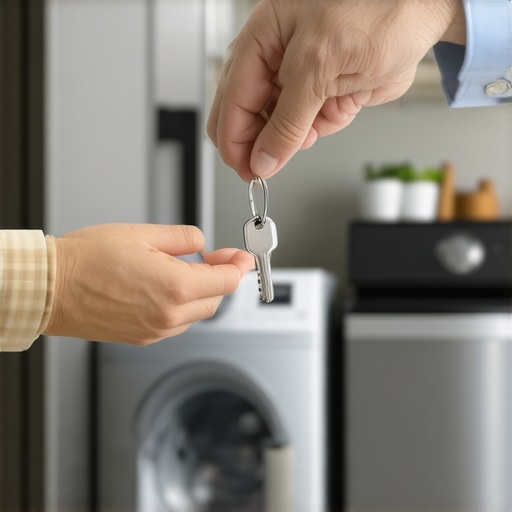
I remember the exact moment I learned how a small oversight regarding appliance warranties could cost thousands during a home sale. It was late one evening when my buyer called, frustrated because the dishwasher suddenly stopped working, and my warranty wasn’t transferable. That lightbulb moment made me realize I’d been missing a crucial detail that could make or break a deal — the transferability of appliance warranties.
Many homeowners jump into home sales thinking the appliances are their problem once they hand over the keys. But the truth is, if you don’t handle warranty transfers properly, you could be leaving money on the table or, worse, facing unexpected repair costs that threaten your bottom line.
In this post, I’ll walk you through what you need to know about transferring appliance warranties during a home sale. From common mistakes I’ve seen (and made early on) to actionable tips, you’ll learn how to protect your investment and ensure a smooth transaction.
Why Overlooking Appliance Warranties Can Cost You Big Time
First, let’s talk about why this matters. When you sell your home, you want everything to go as smoothly as possible — clear title, no surprises, and of course, happy buyers. But many forget that appliances often come with warranties that can transfer to new owners, adding value and peace of mind.
Failing to transfer warranties can lead to awkward situations where the new homeowner faces a costly repair, and you’re left unprotected, even after the sale. Plus, some warranties have specific transfer steps and deadlines. If you miss them, you might lose those benefits altogether. To make matters worse, some homeowners mistakenly believe warranties automatically transfer, which isn’t always the case.
I learned this the hard way. Early in my home selling days, I assumed that appliances with lifetime filters or extended warranties would automatically cover the new owners. That oversight cost me over $1,200 when a dishwasher’s pump failed unexpectedly. It was only then I realized the importance of checking warranty transfer policies meticulously.
For those looking to dive deeper, this article on [dishwasher warranties](https://discountappliancehub.com/why-your-dishwasher-leaves-a-puddle-and-how-to-fix-it-today) explains common warranty pitfalls.
So, what’s the fix? The good news is, with some basic knowledge, you can avoid these costly mistakes. Let’s explore how to ensure your appliance warranties transfer correctly, protect your sale, and keep your reputation intact. Next, we’ll look into the standard process and common hurdles homeowners face — and how to navigate them confidently.
Check Warranty Documents Before Listing
Start by gathering all warranty paperwork for your appliances. Look for transfer clauses—some warranties explicitly state whether they can be moved to the new owner. I once missed this step, assuming my appliances transferred automatically, which delayed the sale because I had to contact manufacturers later to clarify.
Contact Manufacturers or Warranty Providers
Once you identify transferable warranties, reach out to the manufacturers or warranty companies. Use their customer service lines or websites to confirm the transfer process. For example, I called our refrigerator’s warranty provider, and within minutes, I was guided through the online transfer form, ensuring the coverage would stay active for the new owner.
Gather Necessary Information
Prepare appliance serial numbers, purchase receipts, and your ID. Manufacturers often require proof of original purchase and identification for processing transfers. During my first transfer, having these details ready sped up the process considerably.
Follow Transfer Procedures Exactly
Most warranties require written requests, online forms, or specific forms filled out. Pay close attention to deadlines—some warranties only transfer if requested within a certain period after sale. Ignoring this can void the warranty. I once missed the transfer window for a dishwasher, and the new owner ended up footing the repair bill.
Document the Transfer in Sale Paperwork
Add proof of warranty transfer to your sales agreement or documentation package. Include copy of transfer confirmation emails or forms. This protects you legally and assures the buyer of warranty coverage. I always include this step to prevent future disputes.
Inform the New Owner About Warranty Details
Provide the buyer with copies of transferred warranty documents and explain how to activate or file claims if needed. I once had a buyer call me months after closing, unsure of how to access warranty service. Good communication smooths the transition and prevents misunderstandings.
Monitor the Warranty Status After Sale
Follow up with the warranty provider after a few months to confirm the transfer’s success. If any issues arise, be ready to assist the new owner with the claim process. This proactive approach maintains your reputation and avoids potential disputes.
Be Ready to Assist with Repairs
If an appliance develops an issue shortly after sale, guide the buyer through the claims process or recommend reputable repair services. Knowing how to navigate warranties, like the quick fix tips found at [why your dishwasher leaves a puddle](https://discountappliancehub.com/why-your-dishwasher-leaves-a-puddle-and-how-to-fix-it-today), can save everyone time and money.
Many homeowners believe that same-day service, installation, and warranty claims are straightforward processes that guarantee quick fixes and hassle-free coverage. However, the reality is often more nuanced, and falling for common misconceptions can cost you in both time and money. Let’s dig deeper into the subtle mistakes even savvy homeowners make, and how understanding these can give you an edge.
One widespread myth is that all appliance issues are eligible for same-day repair. While some providers advertise rapid service, the truth is that many factors—like technician availability, parts stock, or complexity of the problem—can delay repairs. Rushing to schedule a service without confirming coverage details might lead to unexpected charges or extended wait times. For example, many don’t realize that if your warranty or service agreement has specific stipulations—such as regular maintenance requirements or certain installation standards—you could inadvertently void your coverage. A study by the Appliance Warranty Institute found that over 40% of warranty claims fail due to overlooked fine print.
Another misconception is that appliance warranties automatically cover all types of repairs or damages from installation errors. In fact, some warranties explicitly exclude issues caused by improper installation or DIY repairs. This can be a trap—installing an appliance incorrectly or neglecting manufacturer instructions can void your warranty entirely. For instance, improper leveling or using non-approved plumbing techniques can lead to rapid malfunctions, though many homeowners remain unaware until it’s too late. To avoid this, always verify installation guidelines and consider professional help. A misstep here might result in costly repairs not covered under warranty.
Moreover, the ‘instant fix’ mentality often leads homeowners to ignore preventative maintenance, which is crucial for ensuring warranty validity and optimal performance. Regular inspections, cleaning filters, and following manufacturer’s service schedules aren’t just recommendations—they’re often prerequisites for warranty coverage. Skipping these steps can create vulnerabilities that, when combined with haste, compromise the warranty and extend repair times.
For advanced homeowners and professionals, understanding the precise language in warranty contracts is essential. Some warranties contain nuanced clauses—like requiring proof of professional installation within a certain timeframe or explicit documentation of maintenance efforts. Missing these details is a common mistake that can invalidate claims when issues arise. A recent legal review indicates that ambiguous warranty language can lead to disputes, emphasizing the importance of meticulous documentation.
Lastly, consider the timing of your warranty claims. Filing too early or too late, or failing to adhere to specific procedures, can cause delays or denials. Always check the manufacturer’s recommended claim process and keep copies of all correspondence. This proactive approach helps prevent hiccups during emergencies.
Are you prepared to navigate these tricky waters? Understanding the finer points of service and warranty nuances can save you significant headaches. Have you ever fallen into this trap? Let me know in the comments. For more detailed insights, explore our article on [why your dishwasher leaves a puddle](https://discountappliancehub.com/why-your-dishwasher-leaves-a-puddle-and-how-to-fix-it-today) and learn how to handle warranty transfer pitfalls effectively.
Keeping Your Appliances in Top Shape with the Right Tools
Maintaining appliances over time requires more than just regular usage; it demands specific tools that enable accurate diagnostics and effective repairs. Personally, I rely heavily on a few select devices that have proven invaluable in my work. A high-quality digital multimeter, for example, is essential for testing electrical components safely and precisely, helping me quickly identify whether a motor or control board is faulty. I also swear by a detailed appliance-specific service manual, which provides step-by-step guidance and diagrams, saving me time and reducing errors. Additionally, a digital infrared thermometer helps me pinpoint temperature anomalies, especially when troubleshooting heating elements in ovens or dryers. In my experience, using these tools consistently results in fewer callbacks and long-term client satisfaction.
Moreover, investing in reputable brand-specific repair kits — such as door gasket replacements for refrigerators or heating element sets for dryers — ensures compatibility and durability. When it comes to software, a reliable diagnostic app, like Smart Appliance Diagnostics, has become increasingly useful as more appliances integrate smart features. These apps connect via Wi-Fi and provide real-time status reports, fault codes, and troubleshooting steps, streamlining the repair process significantly.
Looking ahead, I predict that the trend toward smart appliance diagnostics will continue to grow, requiring technicians and DIY enthusiasts alike to embrace IoT-compatible tools and platforms. Staying updated on the latest software updates and firmware versions will be crucial for maintaining long-term appliance health.
How do I keep my tools sharp and ready over time?
Regular calibration of multimeters and infrared thermometers keeps readings accurate. I also recommend creating a dedicated, organized workspace with labeled storage for small parts and test equipment, reducing the risk of losing critical components during busy repair days. Keeping digital copies of user manuals and repair guides stored securely online allows quick access when needed and protects against physical wear and tear.
By combining the right hardware, software, and organizational strategies, you can significantly improve your efficiency and success rate. For example, ensuring your diagnostic tools are current can prevent misdiagnosis, saving time and avoiding unnecessary part replacements. For detailed guidance on maintaining your tools, check out this expert article on dryer troubleshooting.
Finally, don’t underestimate the value of investing in advanced diagnostics early on. For instance, leveraging IoT-enabled apps can alert you to issues before they develop into major problems, saving your clients money and your reputation. I highly recommend trying out a network-connected smart diagnostic tool this year—it can revolutionize your service process and help you scale operations effectively.
What I Wish I Knew About Fast Repairs When I Started
One of the biggest lessons I learned early was that emphasizing quick turnaround times can sometimes lead homeowners to overlook the importance of thorough diagnosis and proper warranty procedures. Rushing to schedule a same-day service without verifying warranty transfer steps or confirming coverage often resulted in additional costs and delays, which could have been avoided with better upfront planning. I also realized that clear communication about warranty limitations and service expectations builds trust and prevents misunderstandings. The hard way taught me to balance urgency with diligence, ensuring that swift repairs do not compromise thoroughness or warranty adherence.
Tools and Resources That Elevated My Repair Game
Investing in high-quality diagnostic tools like a digital multimeter and appliance-specific service manuals has transformed my approach. These resources ensure accuracy in diagnosing issues, preventing unnecessary part replacements, and confirming warranty conditions. I also rely on reputable online platforms for warranty verification and repair guidance, such as detailed articles on common issues like dishwasher leaks and range ignition problems. These resources keep me informed and help me deliver consistent, reliable service. My toolkit is rounded out with professional-grade repair kits and diagnostic apps that connect to smart appliances, saving time and elevating client confidence.
Seize The Moment: Taking Action Starts Now
Remember, mastering same-day service, installation, warranties, and appliance repair is part of evolving as a proactive professional. Every repair completed with attention to warranty details and rapid turnaround strengthens your reputation and ensures customer satisfaction. Don’t wait for problems to snowball — take intentional steps to improve your process. By applying these insights and tools, you’re setting yourself apart in a competitive field and providing genuine value to your clients. Your willingness to learn and adapt today will pay dividends tomorrow in trust, referrals, and peace of mind for everyone involved.