
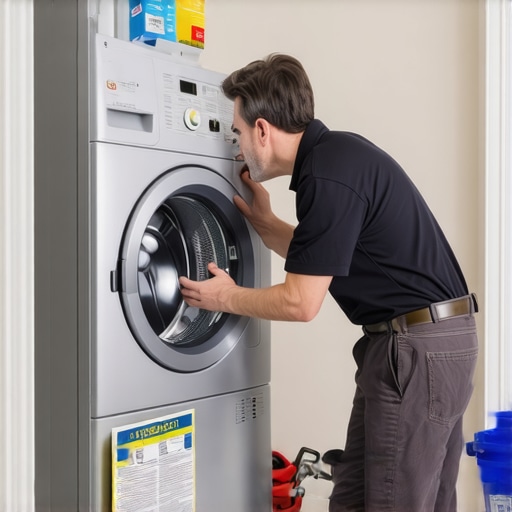
It was a chilly Saturday morning when my dryer suddenly refused to start, no matter what buttons I pressed. Frustration bubbled up as I realized I’d probably just voided my warranty by attempting a risky DIY fix without knowing the rules. Like many homeowners, I had fallen into the trap of thinking I could handle minor repairs on my own, only to discover that a simple mistake could cost hundreds in coverage. That lightbulb moment—realizing how easy it is to sabotage your own warranty—changed everything.
Today, I want to share with you the common pitfalls that cause most homeowners to fail their first dryer warranty claim. Spoiler alert: it’s not just about calling a repair technician or waiting for the right part. Often, it’s the little mistakes that seem innocent but are actually deal-breakers for warranty coverage. I’ve been there, learned the hard way, and now I’m here to help you avoid the same missteps.
How Your DIY Attitude Could Be Sabotaging Your Dryer Warranty
Many homeowners believe that a quick fix or a minor adjustment won’t hurt, especially if it saves money or time. But warranties are strict, and manufacturers have clear guidelines about what voids coverage. For instance, performing unauthorized repairs or using incompatible replacement parts can instantly nullify your warranty. It’s like signing a contract you didn’t fully read—you might think you’re covered, but one wrong move can be your undoing.
I once replaced my dryer’s heating element without checking the manufacturer’s specific instructions. Suddenly, my warranty was voided because I didn’t use OEM (original equipment manufacturer) parts. That was a costly lesson in respecting the fine print. To prevent that, I recommend familiarizing yourself with your appliance’s warranty terms and following installation and repair protocols precisely.
To get a better idea of what to watch out for, check out this useful guide on common repair mistakes that void warranties. It highlights issues like improper installation, misuse, and even incorrect wiring that could be trivial to you but disastrous to your coverage.
Another mistake I made early on was trying to fix a wiring problem myself during a service call, rather than calling for expert help right away. A simple wiring fix can seem straightforward, but if you don’t do it correctly, it can lead to further damage and setup the manufacturer to deny your claim. In fact, some warranties specify that repairs must be performed by certified technicians, not DIY enthusiasts.
So, if you’re facing a dryer issue, ask yourself: am I risking my warranty by attempting this fix myself? Or is it better to call in professionals who understand the legalities and technical nuances? Ensuring proper procedures can save you both money and peace of mind.
Ready to learn how to navigate the repair process without sabotaging your warranty? Up next, I’ll walk you through the practical steps and insider tips that will help you get your dryer back in working order while keeping your coverage intact. And trust me, a little knowledge goes a long way—especially when it comes to warranty protection.
Assessing the Issue Before Touching Anything
Start by diagnosing the problem accurately. Is the dryer not starting at all? Listen for any clicking sounds or check if the drum turns. Use a multimeter to test the electrical components if you’re comfortable, but avoid jumping to repairs without a proper diagnosis. Applying a quick test helps prevent unnecessary mistakes that could void your warranty. For instance, I once assumed my dryer was dead and started replacing parts, only to find out it was a simple switch malfunction—saving me time and preserving my coverage.
Gather the Right Tools and Parts
Having the correct tools—like screwdrivers, pliers, and a multimeter—is essential. Make sure the replacement parts are OEM, as using generic or incompatible components can void your warranty. Remember, manufacturers often specify that only certified technicians should perform repairs with genuine parts. I learned this the hard way when I installed a heating element from an unofficial source and received a warranty denial. To avoid this pitfall, verify your part numbers and procurement sources beforehand; check out this guide on common repair mistakes that void warranties.
Disconnect Power Safely and Prepare Your Work Area
Before opening the appliance, unplug the dryer from the power outlet. This minimizes electric shock risk and keeps your warranty intact, as some warranties explicitly require repairs to be performed with the power disconnected. Clear space around the appliance, and wear gloves and safety glasses for protection. I remember the time I attempted a repair without disconnecting—luckily, I only received a minor shock, but it reminded me of the importance of safety protocols.
Follow Manufacturer’s Repair Instructions
Consult the owner’s manual or official repair guides. Many manufacturers have detailed step-by-step procedures online. Pay close attention to wiring diagrams and assembly order. Miswiring or skipping steps can damage the dryer or void your warranty. For example, I once forgot to reconnect a sensor correctly, causing the dryer to stop working and risking my warranty claim. A thorough review of instructions ensures proper execution and compliance with warranty requirements. If you’re uncertain, consider contacting a certified technician—more on that later.
Perform the Repair Carefully and Methodically
Work slowly, following each step precisely. Use appropriate tools to avoid damaging components. Keep track of screws and small parts to prevent misassembly. During my last repair, I labeled wires with tape to ensure correct reconnection, saving me from future troubleshooting headaches. Document each step with photos; this documentation can be useful if your warranty agent requests proof of proper repair procedures.
Test Before Fully Reassembling
Once the repair is complete, plug in the dryer and run a short cycle. Observe its operation for any irregularities or warning lights. If the appliance runs smoothly, you can proceed to reassemble. If issues arise, recheck your connections. I once overlooked a loose wire, causing the dryer to stop mid-cycle, which would have compromised my warranty claim if unnoticed. Testing ensures you haven’t introduced new problems or violated repair protocols.
Properly Reassemble and Maintain Documentation
Secure all panels and screws. Keep records of parts purchased, repair receipts, and even photos of the disassembly process. These records demonstrate that repairs were performed according to manufacturer guidelines, which can be critical during warranty claims. Remember, some warranties require proof that certified steps were followed, and having this evidence can save you from rejection based on unauthorized repairs.
Many homeowners assume that quick fixes or attempting same-day repairs guarantee their appliance warranties remain intact. However, the hidden nuances of warranty coverage reveal that rushing or neglecting manufacturer guidelines can inadvertently void your protection. For example, performing unauthorized repairs, such as wiring adjustments without proper certification, often violates warranty terms, despite the common belief that DIY always saves money and time. In truth, these mistakes can lead to denied claims and costly out-of-pocket repairs.
One frequently overlooked pitfall is the misconception that installing appliances yourself won’t affect warranty validity. Manufacturers typically require professional installation by certified technicians, especially for complex systems like dishwashers or HVAC units. Skipping this step may not only pose safety risks but also jeopardize warranty coverage. It’s a significant trap—many overlook the fine print, thinking their personal skills suffice, but the warranty’s protective shield hinges on adherence to official procedures.
A common myth is that same-day service is universally available without extra precautions. While urgent repairs seem convenient, some providers might employ shortcuts or unauthorized technician substitutions, which can be a grey area legally. Ensuring your service provider is certified and follows manufacturer guidelines protects your warranty, especially when repairs involve critical components. Learn more about securing reputable service at this guide on getting reliable same-day appliance repairs.
**How can rushing repairs impact your warranty coverage?** Sometimes, homeowners attempt to ‘speed up’ fixes by bypassing proper diagnostic steps or ignoring manufacturer instructions, which can cause further damage or produce non-compliance with warranty terms. For instance, incorrectly wiring a dryer during a napkin-repair can void the entire warranty, even if the initial problem was minor. This trap is especially common during emergencies when homeowners prioritize quick fixes over protocol. To avoid this, always follow official repair guides or consult certified technicians.
This nuance extends to understanding warranty exclusions. Many warranties have fine print exclusions related to improper installation, unauthorized repairs, or use of non-approved parts. Recognizing these stipulations helps homeowners prevent accidental violations. A deep dive into warranty clauses reveals that consistent adherence to official procedures is critical, even for seemingly small maintenance tasks.
For advanced readers, a key question emerges: How do manufacturers monitor compliance, and what are the repercussions of subtle deviations? According to industry experts, warranties often have audit clauses allowing manufacturers to review repair records or inspect the work performed. Even minor, unintentional violations can lead to claim denials. Staying informed about these nuances ensures your repair efforts uphold warranty standards.
Remember, rushing or neglecting proper procedures might seem harmless but can have serious financial consequences. Always prioritize certified installation and repair steps, and consult trusted guides or professionals when in doubt. Are you aware of the specific warranty conditions for your appliances? It’s worth a thorough review to avoid surprises when claiming coverage. Have you ever fallen into this trap? Let me know in the comments.
Tools I Recommend for Reliable Appliance Maintenance
Over the years, I’ve honed my toolkit to include a few essential items that make appliance repairs more manageable and ensure long-term performance. The first must-have is a high-quality multimeter. I personally rely on the Fluke 117, which provides precise voltage and continuity readings. This tool is invaluable when diagnosing issues like a dryer that won’t start (see wiring fixes here). It helps me verify whether electrical components are functioning correctly before proceeding with repairs.
Another crucial tool is a versatile screwdriver set. I prefer a ratcheting screwdriver with interchangeable bits, allowing for quick adjustments and disassembly of various appliance panels. Using the correct screwdriver prevents stripping screws, which can complicate repairs or void warranties. For example, when inspecting my dishwasher’s drain hose, I used a Phillips-head and flat-head bits to access internal connections without damaging the panel (tip on drain hose installation).
I also keep a set of plastic pry tools. They are gentle on appliance casings and help open panels or remove seals without scratches. This is especially helpful when replacing seals or inspecting internal components during routine maintenance.
Beyond physical tools, I recommend having access to manufacturer-specific repair manuals or digital resources. Apps like RepairClinic or appliance-specific PDFs help me follow precise steps, ensuring I don’t miss crucial details—saving time and preventing warranty pitfalls. As models evolve, these resources stay current, offering peace of mind during repairs. The trend clearly points toward integrating augmented reality (AR) and diagnostic apps in appliance maintenance, which will revolutionize how homeowners and technicians troubleshoot tasks remotely in the future.
How do I maintain appliance tools over time?
Keeping your tools in top shape involves regular cleaning, proper storage, and periodic calibration. Wipe multimeters with a damp cloth after use, ensuring no dirt interferes with accurate readings. Store screwdrivers and pry tools in a dedicated toolbox to prevent damage or loss. Calibrating your multimeter annually or after intensive use guarantees reliable diagnostics, reducing unnecessary repairs or warranty issues. Maintaining these habits ensures your tools stay accurate and ready when needed, ultimately extending their lifespan and your appliances’ health.
Lessons Only Experience Can Teach
One of the hardest lessons I learned about appliance repair and warranties is that shortcuts often lead to long-term setbacks. For example, attempting a DIY fix without fully understanding manufacturer guidelines can unknowingly void your coverage, costing you more money later. I’ve realized that patience and thorough research are vital before jumping into repairs, and that respecting the warranty terms—like using OEM parts and calling certified technicians—saves headaches and expenses. Another insight is that even small oversights, such as improper wiring during a repair, can escalate into major issues with warranty claims, emphasizing the importance of meticulous attention to detail. Finally, I learned that proactive maintenance and diagnostics prevent the need for urgent repairs, ensuring your appliance remains warranty-compliant and functions smoothly for years to come.