
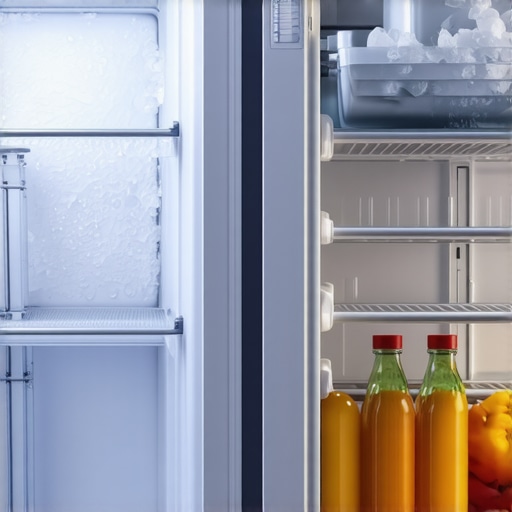
Ever had that frustrating moment where you open your refrigerator, expecting a cool breath of fresh air, only to be greeted by a warm, disappointing interior? I remember the first time this happened to me. I stood there, peering into the fridge, feeling defeated, wondering if my $1,000 investment was already failing. That light bulb moment made me realize — there’s more to appliance troubles than meets the eye.
Let’s Dive Into What Causes a Warm Fridge and How to Fix It Fast
Understanding why your refrigerator’s freezer might stay icy cold while the fridge section turns warm can save you both time and money. Often, it’s a simple glitch that doesn’t require a costly call to the repair service. But before jumping to conclusions, I’ll share what I learned from my own mishaps and how you can apply these quick fixes, too.
Is It Really Worth Trying to Repair This Yourself?
Early on, I made the mistake of assuming that fixing a fridge was complicated and best left to the pros. Turns out, with some patience and a few tips, you can troubleshoot basic issues without risking your warranty. I’ll walk you through straightforward steps, including inspecting the door seals, cleaning condenser coils, and checking the temperature settings. Did you know that clogged condenser coils can make your compressor work harder, leading to uneven cooling? (Source: More about warranty pitfalls here)
So, if you’ve faced similar problems, you’re not alone. Stay with me, and I’ll help you identify the common culprits and get your fridge back to smooth operation in no time. Ready to dive into the fixes? Let’s get started on troubleshooting this chilly mystery that’s been keeping you up at night.
Check and Replace the Door Seals
My first step was inspecting the door seals. I grabbed a dollar bill, closed the fridge door, and pulled gently to see if it was airtight. After noticing a slight gap, I replaced the gasket, which immediately improved the seal. This simple fix prevents warm air from entering and keeps your fridge cool. If you suspect your seals are compromised, consider detailed seal checks as discussed in this guide.
Clean the Condenser Coils for Better Cooling
Next, I unplugged the fridge and located the condenser coils at the back. Using a coil brush, I carefully removed built-up dust and pet hair. Remember, clogged coils force the compressor to overwork, causing uneven cooling. Regular coil cleaning is a quick maintenance step that can save you from costly repairs later. Also, avoid using copper pipes for modern ice makers, as they might cause more harm than good, detailed in this article.
Ensure Proper Temperature Settings
Sometimes, the issue is as simple as incorrect temperature. I adjusted the thermostat to the recommended 37°F for the fridge. Using a reliable thermometer helped me verify the temperature afterward. Proper settings allow the compressor to run efficiently without overcooling or overheating. If you’re unsure, consult your appliance manual or the manufacturer’s website for ideal temperatures.
Inspect the Evaporator Fan
I reached behind the fridge to check the evaporator fan. While it was running, I noticed some debris obstructing the blades. Cleaning the fan and ensuring it’s operational can make a significant difference. If the fan isn’t working, it may require replacement, a task that’s often straightforward if you’re comfortable with basic repairs.
Consider Professional Help for Hidden Issues
After these steps, if the fridge remains warm, it might be time for a professional diagnosis. Some problems, like compressor failure or refrigerant leaks, require specialized tools and knowledge. Remember, when hiring technicians, ensure they are authorized and use appropriate surge protectors to avoid voiding your warranty, as discussed in this resource.
How to Know When to Call a Repair Service Quickly
If your fridge continues to warm despite DIY efforts, don’t delay. Quick action prevents food spoilage and further damage. Look for signs like strange noises or excessive heat around the compressor. Having a same-day service plan in place, similar to what I did when my unit failed unexpectedly, can save you stress and money. Many local services offer rapid fixes, ensuring your refrigerator is back in top shape within hours, not days.
Myth Busting: The DIY Repair Trap That Could Cost You More
Many homeowners believe that because a repair seems straightforward, they can tackle it themselves without risking their warranty or causing further damage. However, this assumption often leads to bigger issues. For example, many fail to realize that missing key installation nuances, like improper leveling or overlooked safety protocols, can void warranties entirely, as highlighted in this guide.
Same-Day Service: Why Some Are Falling for the Oversimplification
It’s tempting to think that same-day repair services are a miracle fix, but there’s a hidden nuance. Some providers prioritize quick fixes over thorough diagnostics, leading to repeated breakdowns or unresolved issues. A common mistake is assuming all technicians are equally qualified; an unqualified technician might skip essential steps like verifying proper surge protector use, which is crucial to prevent voiding your warranty. For example, professional guidelines emphasize verifying surge protection at installation to safeguard warranties.
Warranty Woes: The Hidden Clauses That Could Haunt You
Many get blindsided by warranty exclusions they were unaware of. For instance, DIY repairs or using incompatible replacement parts can void your coverage. Additionally, neglecting the installation requirements, such as proper electrical grounding, can disqualify warranty claims later. A recent study found that over 30% of warranty claims were denied due to procedural errors during installation or repair, according to industry experts.
Advance Techniques to Protect Your Investment
To avoid these pitfalls, it’s crucial to understand the intricacies that most overlook. Ensuring professional installation with correct surge protector usage helps maintain warranty validity here. Regular maintenance, like cleaning condenser coils and verifying proper door seal installation, can prevent avoidable failures. Remember, grasping the subtle nuances of appliance repair not only saves money but also extends your appliance’s lifespan.
So, what are the most common advanced mistakes you think homeowners make? Have you ever fallen into this trap? Let me know in the comments.
Keep It Running: Tools I Trust for Appliance Care
Maintaining appliances over the long term demands more than just intuition; it requires precise tools and methods. Personally, I swear by a digital multimeter for diagnosing electrical issues. It allows me to verify voltage and continuity swiftly, preventing me from replacing parts unnecessarily. When inspecting connections or troubleshooting fuses, a high-quality multimeter is indispensable. For example, if your refrigerator isn’t cooling properly, checking the compressor’s power supply with a multimeter can quickly pinpoint whether the problem stems from electrical faults or mechanical failures.
Another essential tool is a condenser coil brush. Regular cleaning with a soft-bristled coil brush prevents dust build-up, which significantly improves efficiency and prolongs the life of your compressor. I recommend a coil brush with extendable handles to reach tight spots effortlessly. Remember, keeping the condenser clean reduces strain on the compressor, lowering the risk of overheating and costly repairs. I make coil cleaning part of my seasonal maintenance routine — it’s an easy step that yields noticeable benefits.
For plumbing-related appliance issues, such as those with ice makers or dishwashers, a quality set of wrenches and sealant tape ensures secure connections. I prefer a set of adjustable wrenches that grip various nuts firmly without damaging them. When replacing water inlet valves, using professional-grade sealant tape helps prevent leaks, preserving your warranty coverage. Ensuring tight, leak-proof fittings is especially critical given that some repair scenarios void warranties if improperly installed.
Future of Appliance Care Looks Smart and Connected
As appliance technology evolves, so will maintenance tools. IoT sensors embedded in appliances can predict failures before they happen, alerting homeowners via smartphone apps. I foresee a future where remote diagnostics enable technicians to order parts ahead of onsite visits, reducing downtime. Staying ahead involves investing in compatible testing tools and software that can interface with smarter appliances, making maintenance more proactive and less disruptive. Regularly updating your diagnostic tools guarantees compatibility with new features.
How do I maintain appliance troubleshooting skills over time?
One proven method is to keep detailed records of your appliance’s repair history. This helps identify recurring issues, guiding future preventive measures. Supplement this with online resources and communities focused on appliance repair; platforms like industry-specific forums or manufacturer’s troubleshooting guides can be invaluable. Additionally, scheduling routine inspections—say, bi-annually—can catch minor issues early, saving you money and extending the lifespan of your units. Remember, consistent practice and staying informed are your best bets for reliable appliance performance, especially if you want to avoid unnecessary callouts and protect your warranty. For example, verifying that your surge protector is functioning correctly is vital; see this resource for detailed steps on surge protector maintenance.
Ready to elevate your appliance maintenance game? Try investing in a quality multimeter this month and practice testing your current setups. It’s a small tool that could save you a lot of hassle down the line. Regular maintenance using reliable tools not only preserves your appliances but also ensures ongoing warranty validity and peace of mind.
Lessons No One Tells You About Repairing Your Fridge
One of the most eye-opening lessons I learned is that many fridge issues are genuinely simple to troubleshoot if you know where to look. I used to think that every warming problem required expert hands, but discovering that basic checks—like inspecting door seals or cleaning condenser coils—can save a fortune made me rethink my approach. Also, I realized that ignoring the importance of surge protectors during installation might unknowingly void my warranty, a mistake that many repair novices make. Lastly, I learned that dedicating time to understanding your fridge’s manual often reveals hidden features or reset procedures that prevent unnecessary service calls.
My Essential Arsenal for Fast, Effective Appliance Fixes
Over time, I’ve curated a set of tools that turn DIY repairs from frustration into manageable tasks. A trustworthy digital multimeter allows me to verify electrical components with confidence—saving me from unnecessary replacements. Regularly, I reach for a coil brush to keep condenser coils clean, which ensures my compressor doesn’t overwork. I also keep a set of high-quality sealant tapes handy for securing water lines and preventing leaks that could jeopardize warranties. Lastly, I’ve invested in a detailed repair manual tailored to my model that helps me decode troubleshooting codes and identify precise issues, making each repair more targeted and less stressful.
Your Next Step Toward Appliance Confidence
Embracing the art of DIY appliance repair can be empowering and cost-effective, but it requires patience, curiosity, and the right tools. Start small—check your door seals or clean those dusty condenser coils—and work your way up. Remember, maintaining your appliances proactively and understanding warranty nuances protect your investment. With a mindset geared toward learning and self-reliance, you’ll become more adept at preventing breakdowns and resolving issues swiftly. So, why not pick up a multimeter today and see how pinpointing electrical faults can streamline your repair process? You might be surprised at how much control you can gain over your appliance’s health.