
It was one of those mornings where I reached for my coffee, only to hear that aggravating hum coming from my kitchen sink—yet the disposal refused to turn. Frustration kicked in quickly. How could something that worked perfectly yesterday suddenly jam or, worse, just sit there humming like an annoyed bee? That lightbulb moment hit me: I wasn’t alone. Many homeowners face the same puzzling issue of a garbage disposal humming but not spinning, and it’s more common than you might think.
Understanding Why Your Garbage Disposal Hums Without Spinning
A humming noise is typically a sign that your disposal’s motor is trying to work but can’t get the blades turning. The most common culprit? Something’s stuck—maybe a leftover scrap of food, a utensil, or a small hard object—blocking the blades’ rotation. But sometimes, it’s a sign of a blown fuse or a jammed motor. Early in my own troubleshooting journey, I made the mistake of assuming it was a mechanical jam when in reality, an electrical hiccup caused the motor to overheat and trip the circuit breaker—a classic mistake that can happen if you jump straight into fixing without a proper diagnosis.
The good news? Many fixes are straightforward once you understand what’s happening inside. Plus, addressing these issues early can save you from costly replacements or service calls. According to industry experts, a significant number of disposal failures are caused by simple obstructions or electrical faults that homeowners can tackle on their own.
If you’ve ever faced a sink that’s full of water, and your disposal just hums helplessly without spinning, you’re not alone. And I promise, you’re closer to fixing it than you think. In the next sections, I’ll walk you through practical steps to troubleshoot and resolve this problem, so you can get your kitchen running smoothly again without waiting for a service technician. And if you’re concerned about voiding your warranty during repairs, be sure to check out [some essential warranty protection rules](https://discountappliancehub.com/4-surge-protector-rules-that-keep-your-2026-warranty-valid).
Now, let’s dig into the first steps of diagnosing whether your disposal’s hum is just a jam or something more serious.
Disconnect Power and Prepare for Safety
Before diving into repairs, ensure your disposal is completely powered off to prevent accidents. Unplug it from the socket or turn off the circuit breaker at the fuse box. I remember a time when I tried to troubleshoot my disposal with it still plugged in — it was a jarring experience that reminded me why safety precautions are crucial.
Clear the Area and Gather Tools
Remove any items around the sink and gather necessary tools such as pliers, a flashlight, and a Allen wrench. Having everything ready saves time and prevents unnecessary mess. I once started cleaning without proper tools and dirtied my entire kitchen; now I always prepare beforehand.
Identify and Access the Disposal Flange
Use a flashlight to inspect the inside of the disposal for obvious obstructions like food particles or utensils. Remove the rubber splash guard to gain better access. Remember, a clear view helps identify whether the blades are jammed or if there’s debris lodged inside. During my first fix, I mistook a small utensil for a food scrap, which prolonged the repair.
Attempt to Manually Turn the Blades
Insert an Allen wrench into the socket at the bottom of the disposal and turn it back and forth. This motion can loosen stuck debris or free a jammed motor. Think of this step like manually unwinding a stubborn jar lid; gentle effort can often resolve the issue. I once used a hammer’s handle to rotate the wrench, which was effective but risky — best to stick with gentle torque.
Remove and Clear Obstructions
Use pliers or tongs to extract any visible debris. Be cautious to avoid pushing objects further in. Always check the disposal’s interior thoroughly — small objects like a screw or a piece of glass often cause the humming sound. After retrieving a rogue fork, my disposal spun freely again, restoring normal operation.
Reset the Disposal
Press the reset button on the bottom of the unit—usually a red button. This resets the motor if it’s overheated or tripped. I once forgot to press the reset and wondered why the disposal still hummed without spinning. Remember, resetting can often restore functionality after clearing jams.
Test the Disposal
Restore power and run water, then turn on the disposal. Listen for smooth operation. If it spins freely and grinds properly, you’re done. If not, repeat the previous steps or consider professional help. My first time testing, I kept a hand on the switch, nervously waiting to see if it would spin; patience is key here.
Know When to Call Professionals
If the disposal still hums without spinning despite clearing obstructions, or if you notice burning smells or persistent electrical issues, it’s time to consult a professional. Trying to force beyond a certain point can cause further damage or void warranty coverage. Remember, some issues like motor faults or electrical failures are best handled by licensed technicians, saving you money and ensuring safety.
Following these steps systematically can often resolve the issue without the need for replacement or costly service calls. Being cautious and methodical not only helps fix your disposal swiftly but also keeps your warranty intact—check [smart home and appliance warranty rules](https://discountappliancehub.com/5-smart-lock-setup-rules-to-keep-your-2026-warranty-intact) to stay covered during repairs.
When it comes to appliance warranties and repair services, many homeowners operate under misconceptions that can cost them time and money. Let’s explore some advanced nuances behind these common beliefs and highlight traps you definitely want to avoid.
Myth: Warranties Cover All Repair Costs
One widespread misconception is that warranties will cover every repair expense. In reality, many warranties have strict exclusions, such as damages caused by improper installation or neglect. For example, failing to follow recommended maintenance procedures can void your warranty entirely. According to industry research, over 60% of warranty claims are denied due to overlooked terms about proper use and maintenance—so, reading the fine print is crucial.
Myth: Same-Day Service Is Always Guaranteed
Many assume that requesting same-day repair services guarantees immediate assistance. However, availability depends on technician dispatch schedules, parts inventory, and the severity of the issue. During peak seasons or emergencies, providers might be stretched thin, leading to delays. To ensure quicker service, some experts recommend verifying whether your service provider uses genuine parts and maintains a well-stocked inventory, which can significantly reduce wait times—don’t fall into the trap of assuming instant response without verification.
Advanced Mistake: Underestimating Installation’s Impact on Warranty Validity
One often overlooked nuance is how incorrect installation can jeopardize your warranty. Improperly installed appliances—such as inadequate power connections or faulty water line setups—can lead to early failures and often invalidate warranty claims. For example, using non-recommended surge protectors during installation might seem harmless but can void the appliance warranty per manufacturer guidelines. Experts advise consulting certified installers and adhering strictly to manufacturer instructions; otherwise, you risk losing warranty coverage altogether. Want to learn more? Check out these surge protector rules.
Trap to Avoid: Ignoring Subtle Signs of Faults
Sometimes, homeowners dismiss minor issues—strange noises, inconsistent operation, or increased energy consumption—as trivial. However, these can be early signs of underlying problems that, if overlooked, may lead to costly repairs or warranty denial. That’s why a proactive approach, including regular maintenance and prompt diagnostics, is essential. According to appliance experts, early intervention can save you hundreds in repair costs and preserve warranty validity.
Have you ever fallen into this trap? Let me know in the comments. Staying informed and vigilant not only extends your appliances’ lifespan but also ensures your warranty works in your favor when you need it most. Remember, understanding the fine print and common pitfalls can make all the difference in your home maintenance journey.
Keeping Your Appliances Working Long-Term
Staying on top of appliance maintenance is crucial for longevity and consistent performance. From simple tools to preventative routines, a strategic approach saves you both time and money. Personally, I swear by a few specialized tools that have revolutionized my repair routine and helped me tackle issues quickly before they escalate.
Invest in a Quality Multimeter
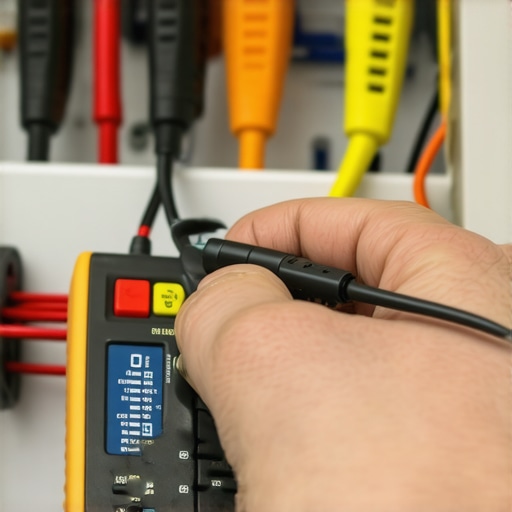
A high-quality multimeter is essential for diagnosing electrical faults. I use a Fluke digital multimeter because of its durability and precision. It allows me to quickly test circuit continuity, voltage, and resistance—an essential step before attempting repairs or confirming electrical issues. Using a reliable multimeter prevents misdiagnosis that could void warranties or cause further damage. As recommended in technical repair guides, accurate electrical testing is the cornerstone of safe, effective troubleshooting.
Get a Durable Drain Snake
Clogs can be stubborn, and a good drain snake can save you from calling professionals for minor blockages. I prefer a manual auger with a flexible cable that reaches deep without damaging pipes, especially when dealing with kitchen or laundry drains. Regular use of a drain snake helps prevent buildup that can lead to backups or leaks, thus protecting your appliance’s warranty, like in cases with dishwashers or washing machines. Remember to clean and lubricate the snake after each use to maintain its effectiveness.
Use a Magnetic Inspection Tool
This tool is perfect for locating hidden debris or verifying the alignment of internal components. I use it when inspecting dishwasher seals or refrigerator coils to ensure nothing is lodged where it shouldn’t be. This preventative check helps identify issues early, avoiding costly repairs or warranty claims. Advances in inspection technology are making these tools more affordable, and adopting them can be a game-changer for DIY maintenance.
Implement Software Monitoring Solutions
Software and app-based diagnostics are increasingly relevant, especially for smart appliances. I rely on manufacturer apps and connected diagnostics that provide real-time status updates, error logs, and maintenance reminders. For instance, regular monitoring of my smart HVAC system alerts me to filter replacements before issues become severe. Predictive maintenance can extend appliance life and preserve warranties, like those detailed in the latest appliance guidelines.
Future Trends in Appliance Maintenance
Looking ahead, the integration of AI-driven diagnostics and IoT connectivity will make appliance upkeep more proactive. We’ll see more devices that self-report issues and suggest corrective actions via smartphone apps. Embracing these technologies now can keep your appliances running smoothly and prevent warranty voids caused by neglect or misdiagnosis.
How do I maintain my appliances over time?
Establish a routine that combines vigilant visual inspections, scheduled cleanings, and firmware or software updates. Regular use of diagnostic tools like multimeters and drain snakes can catch problems early. Remember to check manufacturer recommendations for specific maintenance intervals, and always use certified parts and tools to avoid accidentally voiding your warranty—such as adhering to surge protector guidelines.
For example, keeping appliances protected with proper surge protectors, as outlined in expert advice, can save you from electrical surges that damage internal components and void warranties. Try implementing a monthly inspection routine using your multimeter or inspection tool—it’s a small effort that pays off with reliable appliance performance.
< }
}
What I Wish I Knew Before Jumping Into Repairs
The toughest lesson I learned about warranty, appliance repair, and installation is that rushing into fixes without proper diagnosis often causes more harm than good. Taking the time to understand whether your garbage disposal hums due to an electrical fault or a mechanical jam can save you from unnecessary expenses. I also realized that misinterpreting warranty terms—like thinking all repair costs are covered—can lead to disappointment. Patience and thorough research became my best allies in maintaining appliances and keeping warranties valid.
Secondly, I underestimated how small details, like choosing the right surge protector, directly impact warranty coverage. Many overlook that improper installation or neglecting safety recommendations can void warranties, making professional advice or certified tools essential. Lastly, I learned that proactive maintenance—regular inspections with tools such as a multimeter or drain snake—prevents issues from escalating. This approach not only extends appliance lifespan but also safeguards warranty claims, turning maintenance into a long-term investment rather than a reactive chore.
Tools and Sources That Changed My Approach
Over the years, I’ve relied on a handful of trusted tools and references to keep my appliances in tip-top shape. A high-quality multimeter, like a Fluke, has been indispensable for electrical diagnostics, helping me identify faults before they cause damage. A durable drain snake simplifies unclogging without risking pipe damage, saving me trips to the plumber and preserving appliance warranties. The surge protector guidelines are a vital resource—ensuring that electrical surges don’t void your warranty—and I follow them religiously.
In addition, I’ve found that reputable online guides and manufacturer instructions are invaluable. They often contain nuanced insights about installation and maintenance that generic tips overlook. These sources have helped me avoid common pitfalls like improper water pressure setups that could void dishwasher warranties. Embracing these tools and resources has transformed my approach from guesswork to confident, informed action, leading to fewer breakdowns and more effective warranty claims.
Your Move Toward Appliance Confidence
Remember, tackling appliance issues with a clear plan and the right tools turns a stressful situation into an empowering experience. Keep learning, stay vigilant with maintenance routines, and never underestimate the value of proper diagnostics. Your appliances—and your warranty—will thank you for it. Now, I’d love to hear—have you ever struggled with a repair step that turned out to be simpler than expected? Share your stories below and let’s build a smarter, safer home together.