
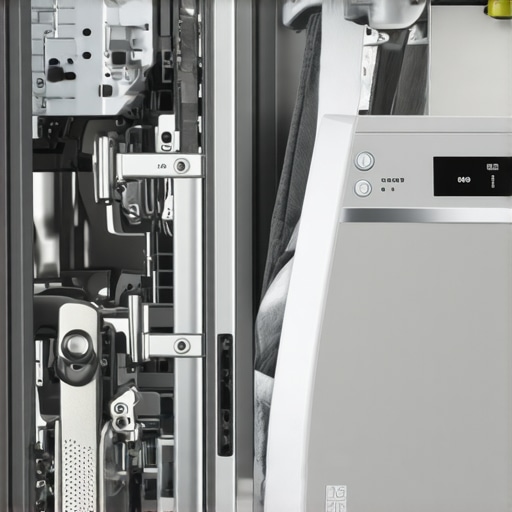
Ever been mid-dishwashing streak, only to have your dishwasher door suddenly swing open on its own? It’s frustrating, embarrassing, and makes you wonder if you’re dealing with a malfunction that’s more serious than it looks. I remember the first time it happened to me—clattering noise, a quick glance, and there it was: the door blatantly trying to escape. That lightbulb moment made me realize I wasn’t alone in this hassle, and thankfully, I found some straightforward fixes that can save your day (and your patience).
Why a Dishwasher Door Falling Open Too Fast Can Be a Headache
This issue might seem minor, but it’s more than just an annoyance. A door that doesn’t stay securely closed can lead to leaks, poor cleaning performance, or even water damage if ignored. Plus, it messes with your routine—nothing kills the vibe like a door giving out during a crucial rinse cycle. It’s essential to address it before it escalates into a costly repair.
In my early days tackling DIY appliance fixes, I made the mistake of assuming this was just wear and tear. I wasn’t aware that simple component adjustments could do the trick. Trust me, rushing to replace the entire door or calling in a pro might be overkill if you try these fixes first. I’ll guide you through three practical ways to keep that door tightly shut, so yours stays closed when it’s supposed to.
Does Fixing a Falling Dishwasher Door Really Make a Difference?
Absolutely. A quick fix can extend the lifespan of your appliance, prevent water leaks, and save money. It’s also incredibly satisfying to troubleshoot and resolve issues yourself—when done correctly. I’ve seen too many folks jump to expensive replacements when a simple adjustment or replacement of a worn spring or latch could solve the problem instantly. And if you’re concerned about warranty issues, make sure to review these warranty rules to keep your coverage intact.
Inspect the Door Latch and Handle
Start by examining the latch mechanism and handle for any visible damage, debris, or misalignment. I once found a small piece of food lodged in my latch, causing it not to catch properly, which made the door swing open unexpectedly. Clean out any debris with a soft cloth and check if the latch moves freely. If it’s broken or bent, replacing the latch will restore proper sealing.
Replace the Worn-Out Latch
To replace the latch, first unplug the dishwasher to prevent electrical shock. Unscrew the old latch assembly using a Phillips screwdriver, noting its orientation. Attach the new latch, aligning it carefully to ensure a secure fit. Secure it with screws and test if the door stays closed when you push it shut. Knocking out this simple fix saved me from the hassle of water leaks in my kitchen.
Adjust the Door Hinges for a Proper Seal
Misaligned hinges can cause gaps and prevent the door from staying closed. Open the dishwasher door and inspect the hinges for loose screws or damage. Use a wrench or screwdriver to tighten any loose hinge screws firmly. I recommend testing the door after tightening; if it still doesn’t sit flush, shim the hinges with small washers to improve alignment. Proper hinge adjustment prevents water leaks and ensures optimal cleaning performance.
Secure the Hinges with Correct Spacers
If the door sits unevenly, adding spacers or shims behind the hinges can help align it perfectly. This tiny step can make a big difference in door security. During my DIY repair, a simple washer behind the hinge corrected a sagging door, stopping it from swinging open during cycles. Be cautious to not overtighten, as this could damage the hinge.
Test and Seal for Leaks
After adjustments, run an empty cycle to observe the door’s operation and investigate any leaks. Place a towel underneath to catch water. If water seeps out around the door seal, replace the gasket. I once discovered a cracked rubber gasket that was causing leaks, which I replaced following the manufacturer’s instructions. Regular inspection and timely gasket replacement keep the door sealed tight and prevent water damage.
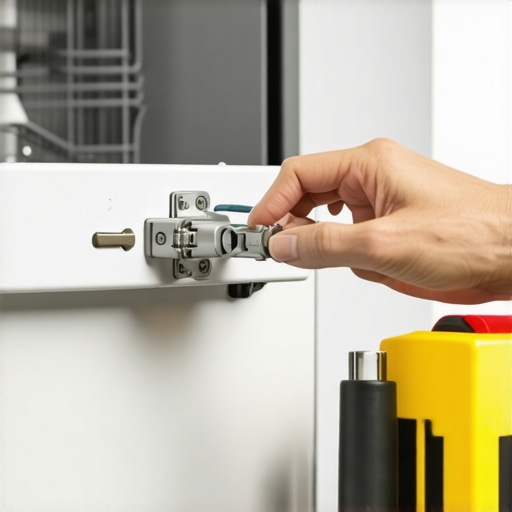
Properly aligned hinges and a secure latch are essential for a dishwasher door that stays shut. When in doubt, consult your dishwasher’s manual or consider professional installation to ensure everything is calibrated perfectly. Remember, a little maintenance now saves a big repair bill later, especially for your kitchen’s water integrity.
Many homeowners operate under common misconceptions about appliance warranties, installation protocols, and same-day repair services. While it might seem straightforward—get it fixed quickly, ensure the warranty covers repairs, and follow installation instructions—the reality is far more nuanced. As an appliance repair expert, I’ve seen how these assumptions can lead to costly mistakes or missed coverage.
Myth: Warranties Cover Everything If You Call a Technician
It’s a widespread belief that as long as you call a professional, any repair will be covered. However, warranties often have hidden clauses or specific conditions—like proper maintenance, use, and installation protocols—that must be strictly adhered to. For example, these recent warranty rules highlight how even minor deviations during installation can void coverage. Failure to follow manufacturer guidelines can turn a seemingly covered repair into an out-of-pocket expense.
What Advanced Details Do Manufacturers Consider For Valid Warranty Claims?
Manufacturers scrutinize installation quality, usage practices, and maintenance records before honoring warranty claims. They often require proof of proper setup—such as correct electrical connections, ventilation, and use of recommended parts. Overlooking these nuances can invalidate your claim, even if a part fails unexpectedly. This is why understanding the specific requirements outlined in your warranty documentation or consulting detailed guides is essential for peace of mind.
Installation Isn’t Just a Formality: It Instills Long-Term Reliability
Many underestimate how critical proper installation is for appliance longevity. A quick, rushed setup might seem convenient but can result in issues like leaks, poor performance, or even warranty voidance. For instance, improper drain hose placement or incorrect leveling can cause recurring problems—problems that could have been prevented with meticulous adherence to installation instructions. Check out professional installation tips that many overlook but are vital for durability.
Is Professional Installation Worth the Extra Cost?
Absolutely. Investing in certified installers reduces risks associated with faulty setup, prevents voiding warranties due to installation errors, and often ensures compliance with upcoming regulations. This upfront cost pays dividends by avoiding expensive repairs down the line, especially given the complex nuances outlined in warranty policies.
The Oops Factor: Pitfalls of Same-Day Emergency Services
When a major appliance breaks down—say, a leaking dishwasher or a malfunctioning oven—many seek immediate fixes. While same-day repair services promise quick resolutions, homeowners often overlook critical details that can sabotage their warranties or lead to recurring malfunctions.
For example, scheduling a repair without verifying if the technician is accredited or authorized can be a costly mistake. Unauthorized repairs might not meet manufacturer standards, which can void your warranty and result in further issues. Additionally, hasty repairs might neglect thorough diagnostics—leading to temporary fixes rather than long-term solutions. Always confirm repair credentials and clarify what work is covered in your warranty before committing to fast fixes.
Can rushed repairs catch hidden issues that cause future breakdowns?
Often, yes. Professionals who rush don’t perform comprehensive diagnostics, risking missed underlying problems. For instance, in emergency situations like water flooding, inadequate repairs may only address surface issues. For enduring peace of mind, review best practices for same-day appliance repairs and always opt for certified technicians when possible.
In summary, understanding the finer points—such as warranty stipulations, the importance of proper installation, and the pitfalls of indiscriminate same-day repairs—is essential. Doing so can save you money, protect your appliance coverage, and extend the lifespan of your equipment. Remember, what might seem like simple maintenance or quick fixes often involve overlooked nuances. Have you ever fallen into this trap? Let me know in the comments.
Maintaining Reliability with the Right Tools
Staying ahead of appliance issues requires more than just basic maintenance; it demands the right equipment and a keen eye for detail. Over the years, I’ve refined my toolkit to include specific tools that ensure efficient, long-term performance. For example, a high-quality multimeter allows me to diagnose electrical problems accurately without guesswork, saving time and preventing unnecessary part replacements. I also rely on a digital torque driver for properly tightening screws and bolts, which is crucial in preventing hardware from loosening over time and compromising appliance seals.
One tool I swear by is a gasket scraper, which helps in cleaning and restoring seals—extending the lifespan of components like door gaskets and preventing leaks. Investing in a set of precision screwdrivers ensures I can access every screw without damaging delicate parts, especially when dealing with display panels or electronic controls. In addition, a portable ultrasonic cleaner is excellent for degreasing and cleaning water inlet valves, filters, and small components—restoring them to optimal condition.
Furthermore, software like appliance diagnostic apps has become increasingly indispensable. These apps can interface with certain smart appliances, providing real-time error codes and troubleshooting tips. They significantly reduce diagnostic time and help in pinpointing faults quickly, especially when paired with a comprehensive repair manual or manufacturer’s service portal. Embracing these tools has transformed my approach from reactive to proactive maintenance, significantly reducing emergency call-outs and long-term repair costs.
Where Do You See Appliance Maintenance Going in the Future?
Looking ahead, I see a trend toward more integrated smart diagnostics and AI-driven predictive maintenance. Imagine appliances that can monitor their own health and alert you—or your technician—before a breakdown occurs. This proactive model not only minimizes downtime but also optimizes warranty coverage, ensuring repairs are performed within the parameters that keep your coverage intact. Manufacturers are increasingly incorporating IoT sensors and machine learning algorithms, which means being equipped with compatible diagnostic tools and apps will be vital for any serious DIYer or professional technician.
How do I keep my appliances functioning smoothly over time?
Regular use of specialized tools for cleaning and inspection—such as ultrasonic cleaners for water valves or dielectric testers for electrical systems—can prevent many common problems. Also, scheduling routine checks for gasket integrity, wiring, and hardware tightening ensures that minor issues don’t escalate. Remember, preventative maintenance fueled by precise tools is your best defense against costly repairs. For example, inspecting your dishwasher’s door gasket with a magnifying glass and replacing it at the first sign of wear can prevent leaks and preserve your warranty coverage. Try integrating a monthly visual inspection combined with targeted cleaning using these tools to stay ahead of potential failures.
By investing in quality diagnostic and maintenance equipment, you arm yourself with the ability to catch issues early and keep your appliances running efficiently. As the industry moves toward smarter solutions, familiarizing yourself with emerging diagnostic tech will be essential. Don’t wait for a breakdown—be proactive, and your appliances will reward you with long-lasting service and peace of mind. For practical guidance on early diagnostics, I recommend reviewing these surge protector rules to protect your tech investments effectively. Start with a dedicated multimeter and see how early fault detection transforms your appliance care routine.
Over the years, I’ve discovered that a seemingly simple problem like a dishwasher door swinging open unexpectedly can teach us profound lessons about appliance maintenance and warranty stewardship. One of the toughest lessons I learned was that quick fixes without understanding the root cause often lead to recurring issues, costing more in the long run. For instance, blindly replacing parts without verifying proper alignment or the integrity of hinges and latches often results in a cycle of repairs, rather than true resolution. As a seasoned repair expert, I urge fellow homeowners to dig deeper—sometimes, the key to a long-lasting fix is in the details rather than the parts.
Another insight I’ve gained is that meticulous attention to installation — ensuring hinges are perfectly aligned and the latch functions smoothly — sets the foundation for appliance reliability. Skipping this step can subtly sabotage your warranty coverage, as manufacturers often scrutinize setup quality during claims. Trust me, investing a bit more time during initial installation can save you significant frustration and expense later.
Lastly, the importance of on-site diagnostics cannot be overstated. Rushing straight to replacement without fully diagnosing the issue risks overlooking underlying problems like warped hinges or damaged gaskets that, if left unchecked, will cause persistent leaks or operational failures. This has been my golden rule: never settle for surface fixes; aim for comprehensive solutions rooted in careful inspection and understanding. When you approach appliance maintenance with this mindset, you’ll find that your dishwasher—and your peace of mind—stay much healthier.
My Essential Tools That Changed How I Protect Appliances
Throughout my career, I’ve come to trust a handful of tools that make a real difference. A high-quality multimeter is my go-to for electrical diagnostics, helping me identify faulty wiring or dead circuits without guesswork. I also rely on reliable gasket scrapers; they allow me to clean and restore seals, preventing leaks and extending component life. A digital torque wrench ensures screws and bolts are tightened to exact specifications, guarding against hardware loosening over time. For cleaning small parts, an ultrasonic cleaner works wonders, especially for valves and filters that tend to collect grime. These tools give me confidence that repairs are durable and that warranty conditions remain intact.
Looking ahead, I believe that integration of smart diagnostic devices will transform appliance maintenance even further. The ability for appliances to self-report issues before failures occur will shift our approach from reactive to proactive, saving families time and money. Staying updated with the latest tech—such as compatible diagnostic apps—will be essential for those who want to maintain appliances effectively and keep warranties valid over the long haul.
Take Action Tomorrow but Think Strategically Today
The future of appliance care is in your hands. By combining the right tools, knowledge, and a proactive mindset, you can dramatically extend the lifespan of your dishwasher and safeguard your warranty. Don’t wait for leaks or breakdowns to motivate you; start with a simple inspection or calibration today. Remember, investing in proper installation and diagnostics isn’t just about fixing problems—it’s about creating peace of mind that your appliance serves you reliably for years to come. So, what’s the first step you’ll take to ensure your dishwasher stays securely closed and leak-proof? Let me know below and share your experiences or questions about appliance maintenance.