
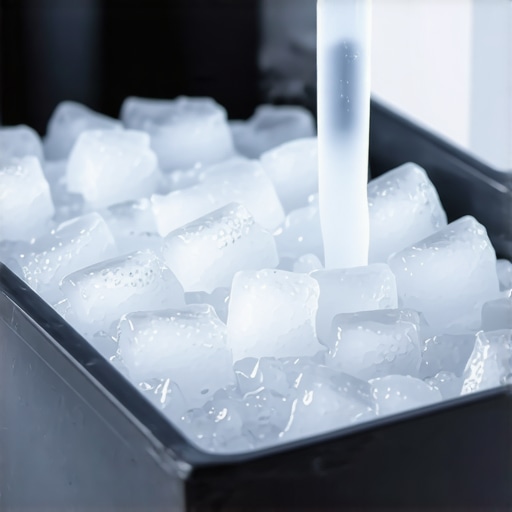
It was a hot summer day, and I eagerly opened my freezer, expecting the satisfying clink of ice cubes ready for my drink. But instead, I was greeted with a disappointing sight — tiny, hollow cubes that seemed more like ice crystals than solid chunks. Frustration sank in as I stared at these useless little things, wondering what I did wrong. That lightbulb moment hit me hard: my ice maker wasn’t malfunctioning in the usual way; it was producing those hollow, tiny cubes because of a simple, overlooked issue.
Understanding the Secret Behind Tiny, Hollow Ice Cubes
Many homeowners, including myself initially, don’t realize that this problem often boils down to a straightforward cause — low water pressure or clogged supply lines. When the water flow isn’t sufficient or gets blocked, your ice maker can’t fill the mold properly, resulting in ice that forms incomplete or with air pockets, making them look hollow. It’s a surprisingly common issue, especially in homes with older plumbing or recent water supply changes.
But what truly caught me off guard was how a small mistake early in my troubleshooting journey delayed my fix. I learned that simply adjusting the water filter or inspecting the water inlet valve can make all the difference. According to appliance experts, ensuring your water pressure meets the manufacturer’s recommended levels is key to getting the perfect ice cubes.
If you’re tired of cracking open your freezer and finding nothing but tiny, hollow shells of ice, don’t worry. I’m here to guide you through simple, effective steps to reclaim your frozen drinks. We’ll cover everything from checking the water supply to ensuring your ice maker’s components are in top shape, so no more disappointment at happy hour.
And if you want to stay ahead on appliance maintenance, don’t forget to check out [these five smart home rules for a valid warranty](https://discountappliancehub.com/5-smart-home-setup-rules-for-a-valid-2026-warranty). Now, let’s dive into the practical solutions that will have you enjoying sturdy, perfectly formed ice cubes in no time.
Check Your Water Pressure First
During my experience with hollow ice cubes, I learned that inadequate water pressure was the culprit. To verify yours, locate the water inlet valve behind your freezer, usually near the back panel. Turn off your water supply, then disconnect the water line and attach a pressure gauge. A pressure reading below the manufacturer’s recommended level (often around 20-120 psi) indicates a need for adjustment or repair. If you’re unsure, consult your appliance’s manual or a professional technician.
Inspect and Replace the Water Filter
Neglecting a clogged filter can restrict water flow, leading to poor ice formation. Remove the filter, check for visible dirt or blockages, and replace if necessary. Remember, some filters need replacing every 6-12 months to maintain optimal flow. A fresh filter restores pressure and helps your ice maker produce solid, well-formed cubes. If your filter is overdue, replacing it is a quick fix that yields immediate results.
Clean the Water Inlet Valve and Supply Lines
Mineral deposits or debris can clog the inlet valve, impairing water flow. To clean, turn off the water supply, disconnect the inlet hose, and flush it with vinegar or a descaler solution. Use a small brush to remove any buildup from the valve filter screen. Reassemble, turn the water back on, and test the ice maker. This maintenance step often resolves the issue, preventing the formation of hollow or tiny ice cubes.
Adjust the Water Inlet Valve
If pressure remains low despite cleaning and filter changes, the inlet valve may need adjusting or replacing. Consult your manufacturer’s guide for specific procedures. For many models, a simple turn of a screw on the valve regulates flow. If adjustment doesn’t help, installing a new valve might be necessary—consider professional assistance to ensure proper installation and avoid warranty voids. Often, doing so is akin to tuning an instrument; a small tweak can dramatically improve performance.
Ensure Proper Leveling and Freezer Temperature
A tilted freezer or incorrect temperature settings can disrupt water flow and ice formation. Use a level to check your appliance’s stance; adjust the feet accordingly. Keep your freezer at 0°F (-18°C) for optimal ice production. These simple checks can prevent uneven water distribution, leading to clear, solid cubes instead of fragile, hollow shells.
Test and Confirm Improvements
After completing these steps, run a test cycle. Observe the water flow into the ice mold and the quality of the produced ice. If ice still appears hollow or tiny, revisit the previous steps or consult a professional. Remember, sometimes the root cause is a failing inlet valve that requires replacement, much like changing a worn-out part in a car engine. Quick, targeted fixes can save you time and money, restoring your ice maker’s performance efficiently.
Many homeowners operate under misconceptions about warranties, appliance repairs, and service practices, often leading to costly mistakes or missed benefits. One common myth is that a warranty covers all repair costs, but in reality, most warranties come with fine print, exclusions, and conditions that many overlook. For example, failing to register your appliance properly or skipping preventive maintenance can void your coverage unexpectedly.
Another trap many fall into involves the urgency of same-day service. While it might seem like the quickest way to resolve issues, rushing into repairs without understanding the nuance—such as verifying warranty details and technician qualifications—can lead to unnecessary expenses or warranty voids. Skilled technicians know precisely how to navigate these intricacies, which is why, in some cases, scheduling a well-prepared appointment can be more effective than simply opting for immediate service.
Why does rushing sometimes sabotage your warranty claims?
Research indicates that improper repair procedures or unlicensed technicians can inadvertently void warranties, especially if non-authorized parts are used or if protocols aren’t followed. According to industry expert opinions, such as those from the Appliance Repair Association, understanding your warranty’s specific requirements is crucial before scheduling repairs. For instance, some warranties necessitate only certified technicians to perform repairs or installations, and ignoring this can invalidate your coverage.
Similarly, appliance installation is often misunderstood as a straightforward task. Many assume that DIY or unprofessional setups won’t affect warranty validity, but improper installation can cause damage that voids warranty claims later. For example, misaligned refrigerator doors or incorrect vent placements are frequent issues that, if caused by improper setup, might not be covered under warranty. It’s vital to adhere to manufacturer guidelines or work with authorized installers—something I learned firsthand when assisting friends with their new appliances.
Protecting your warranty involves more than just having the appliance and receipt. Reviewing your warranty coverage, understanding the fine print, and following best practices in installation and repairs are essential. For instance, some warranties require the use of specific surge protectors or adherence to maintenance schedules to remain valid. You can find a good starting point with these smart home setup rules to ensure your appliance remains covered in the long run.
Finally, beware of common repair pitfalls. Choosing inexperienced service providers or attempting DIY fixes without proper knowledge can jeopardize warranty claims, especially if incorrect parts are used or warranty stickers are damaged—reducing your chances of successful claim approval. To avoid this, always verify the credentials of your repair technician and insist on original parts whenever possible.
Have you ever fallen into this trap? Let me know in the comments. Remember, understanding these nuances helps you protect your investments and ensures that when issues arise, you’re ready to handle them effectively.
Reliable Tools for Long-Term Appliance Care
Investing in the right equipment can make a substantial difference in maintaining your appliances effectively. I recommend keeping a digital multimeter, specifically the Fluke 115True RMS multimeter, because it provides accurate readings crucial for diagnosing issues like faulty thermostats or electrical components. Additionally, a high-quality ultrasonic leak detector helps identify hidden leaks in refrigerant lines, saving time and preventing costly repairs down the line. For cleaning and maintenance, a versatile brush set like the OXO Good Grips Workshop ToolSet ensures you can reach tight spots without risking damage to delicate parts.
Software and Firmware: Your Appliance’s Digital Backbone
Modern appliances frequently incorporate smart technology, and maintaining these requires attention to their firmware updates. Using manufacturer-approved platforms, such as LG ThinQ or Samsung SmartThings, allows you to monitor, diagnose, and even update your appliances remotely. Personally, I schedule monthly checks to ensure firmware is current, which helps prevent glitches and prolongs the lifespan. Staying up-to-date with software also offers opportunities to benefit from new features or improvements that manufacturers release periodically.
Maintaining Performance Long-term
Regularly scheduled maintenance, such as cleaning filters, inspecting vents, and checking electrical connections, can significantly extend appliance life. I set up quarterly reminders—using tools like Google Calendar with detailed notes—to evaluate key components. For example, cleaning dryer vents with a specialized brush reduces fire risks and improves efficiency. Consulting technical manuals and reputable repair guides, such as those compiled by industry experts, provides detailed procedures that ensure you don’t overlook crucial details. Remember, proactive care now can save you from emergency repairs later—like replacing a compressor or fixing intricate wiring issues.
Plans for Scaling Your Service Approach
If you’re managing multiple units, consider adopting a systematic maintenance schedule supported by IoT sensors that monitor temperature, humidity, and power consumption. This approach helps detect anomalies early, avoiding breakdowns before they happen. As technology advances, I predict a shift toward AI-driven predictive maintenance, which will analyze usage patterns and alert you to potential issues. To stay ahead, exploring these innovations and integrating them into your routine can make your appliance management more efficient and cost-effective.
How do I keep appliance performance high over the years?
Establishing a comprehensive maintenance routine backed by quality tools is key. This includes regular filter changes using recommended filters, like the ones suggested in this HVAC filter guideline, inspecting electrical connections with a multimeter, and keeping firmware updated through manufacturer platforms. Additionally, scheduling professional inspections annually can catch hidden issues, ensuring warranties remain valid and your appliances stay in top shape. Don’t hesitate to experiment with integrating smart sensors that monitor your appliances remotely; this step prepares you for the future of appliance care and helps maintain efficiency over the long term.
Biggest Myths That Held Me Back in Appliance Care
An early mistake I made was believing that all warranties cover every repair, which isn’t true. I learned the hard way that reading the fine print and following specific protocol is essential to keep coverage intact. Another misconception was thinking DIY was always cheaper. Sometimes, rushing to fix something without proper tools or knowledge voided my warranty, causing more trouble and expense. The real lightbulb moment came when I realized that professional installation and maintenance aren’t just formalities—they’re critical steps for safeguarding my appliances’ longevity and warranty rights.
Tools and Resources That Turn Appliance Troubles into Troubleshooting Wins
Over time, I’ve come to rely on a few trusted tools: a high-quality digital multimeter like the Fluke 115 to diagnose electrical issues accurately; an ultrasonic leak detector that reveals hidden refrigerant leaks before they become major repairs; and a versatile cleaning brush set to maintain vents and filters. Additionally, resources like manufacturer firmware update platforms (think LG ThinQ or Samsung SmartThings) are invaluable in preventing glitches and enhancing appliance performance. These tools and platforms have transformed my approach from reactive to proactive, keeping my appliances running smoothly and my warranty safe.
Your Next Step Toward Reliable Appliance Performance
Take these lessons to heart and remember that ongoing maintenance and education are your best allies. Set regular reminders to check filters, update firmware, and perform simple inspections—small steps that pay off in the long run. If you’re serious about avoiding costly surprises, consider integrating smart sensors that monitor your appliances’ health remotely. The future of appliance care is smart, efficient, and within your reach. By staying informed and prepared, you’re not just fixing problems—you’re mastering your home’s tech and ensuring it serves you well for years to come. How will you start applying these insights today? Share your plan below and let’s grow together in appliance mastery.