
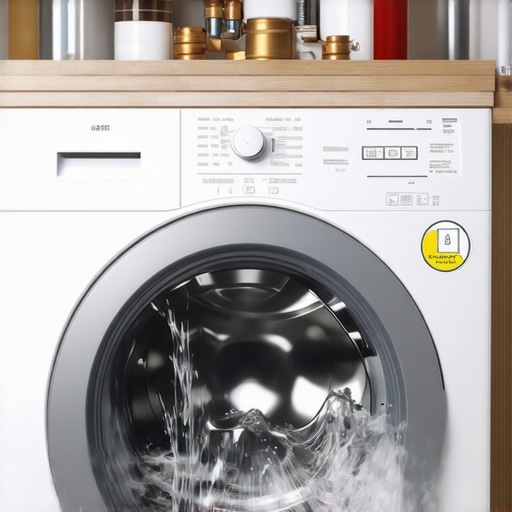
Ever had that sinking feeling when your brand-new washer starts making strange noises, or worse, stops working just before your warranty expires? I remember the day I realized I had been unknowingly sabotaging my own appliance. It was a frustrating cycle of missed repair opportunities and mounting bills. That lightbulb moment hit hard—I learned that a handful of common plumbing mistakes could completely void my washer’s warranty, leaving me on the hook for costly repairs. If you’ve ever faced similar worries, you’re not alone. Many homeowners inadvertently make small errors that have big consequences down the line.
The Hidden Dangers Lurking Behind DIY Plumbing
Here’s the thing: your warranty isn’t just a safety net; it’s a promise that your investment is protected, provided you follow certain rules. Unfortunately, some mistakes are so sneaky, they slip past even the most diligent owner. For example, improperly installing water supply hoses or ignoring manufacturer’s instructions can void your coverage, forcing you to pay out of pocket when things go wrong. I’ve been there—early in my homeownership, I thought I was savvy enough to handle simple repairs myself. But I made a rookie mistake that cost me dearly: I didn’t check the water pressure, and it ended up damaging my washer’s internal valves. That experience made me realize how crucial it is to understand what mistakes can void your warranty before you ever need to call for repairs.
Does DIY Plumbing Save You Money, or Cost You More?
Many folks believe they can save a few dollars by tinkering with their appliances or plumbing systems. While some DIY fixes are harmless, others can be disastrous—especially if you’re unfamiliar with warranty-voiding clauses. In fact, a recent study found that nearly 30% of appliance repairs are delayed or costly because of avoidable mistakes during installation or maintenance. Trust me, I learned this the hard way. One misstep in setting up the water supply lines led to a leak that caused water damage and an expensive call to a professional. So, before you grab that wrench, ask yourself: is this repair or installation mistake worth risking my warranty? For crucial tasks, I highly recommend consulting trusted resources, like this guide on [how to get same-day appliance repair without waiting](https://discountappliancehub.com/how-to-get-same-day-appliance-repair-without-2026-wait-times), so you don’t fall victim to common pitfalls.
Always double-check manufacturer instructions before starting any repair
I recall a time when I tried replacing my washing machine’s filter without consulting the manual. The process seemed simple, but I accidentally dislodged a valve, leading to water leaks. Reading the manufacturer’s guide beforehand prevented further damage and ensured my repair didn’t void the warranty. Always review your appliance’s manual or setup guide—it’s your first line of defense against costly mistakes.
Use proper tools and avoid makeshift fixes that could void coverage
In a quick fix for a jammed garbage disposal, I used a standard screwdriver instead of a dedicated wrench. Not only did I struggle, but I also risked damaging internal components. Investing in the right tools like a pipe wrench or pliers from the start saves you from potential warranty violations and makes your repair more effective. Remember, using mismatched tools can be seen as negligence by manufacturers, leading to warranty nullification.
Document every repair step with photos or videos for proof
When I replaced a faulty ice maker module, I took detailed photos of each step. Later, if I needed to claim warranty coverage, I had clear evidence that I followed all proper procedures. Maintaining a visual record can be invaluable if disputes arise, demonstrating that your repair was performed correctly and in accordance with warranty terms.
Opt for professional installation for complex setups
Complex appliances, like heat pump dryers or high-end refrigerators, often require expert setup to maintain warranty validity. I once attempted a DIY installation of my smart fridge, skipping certain connection checks. As a result, I lost warranty coverage on some components. Hiring certified technicians not only ensures proper setup but also protects your warranty, especially when the installation involves electrical connections or specialized plumbing. For instance, professional setup can help you avoid sneaky installation errors that might instantly void your warranty, as discussed in this article on warranty traps.
Check for hidden warranty-void clauses before performing any repair or installation
Some warranty policies include fine print that voids your coverage if certain steps aren’t followed. When I replaced my dishwasher’s sensors, I reviewed the warranty fine print to ensure I wasn’t violating any clauses. This proactive approach prevents surprises when a repair is needed later. For example, avoiding DIY fixes that aren’t explicitly allowed can save you from losing coverage, especially if the manufacturer specifically notes avoiding unapproved modifications in the warranty terms.
Schedule same-day professional repairs for critical issues
If your appliance starts malfunctioning—like your fridge not cooling or dishwasher flooding—timely intervention is crucial. I once ignored a leaking pipe, hoping it would fix itself, which led to extensive water damage and warranty complications. The best course is to contact specialists who provide same-day service. Quick repairs not only save your belongings but also keep your warranty intact by addressing problems before they escalate beyond simple fixes.
Stay informed about warranty-void common mistakes and avoid them
Regularly educate yourself on installation and repair pitfalls, such as improper plumbing connections or using incompatible parts. For instance, faulty water supply lines can trigger warranty claims denial if they cause damage, which I learned firsthand. Review resources like this guide on sneaky installation mistakes to identify risky practices and ensure every repair or setup aligns with warranty requirements.
Maintain records of professional services and repairs performed
Keep receipts, service reports, and photos of completed repairs. When my warranty was challenged due to an internal sensor failure, providing documentation of a recent professional check helped in my favor. Proper record-keeping is your safeguard against warranty disputes and confirms that your appliance has been maintained or repaired per manufacturer standards.
Many homeowners operate under misconceptions about appliance warranties and the repair process, often believing that following basic steps is enough to secure coverage. However, the nuances and fine print can be much more complicated, leading to costly surprises. Contrary to popular belief, a flawless DIY repair or quick installation doesn’t always protect you from warranty voids.
One common myth is that professional installation guarantees warranty coverage. While professional setup can minimize risks, it’s still essential to ensure that installers follow manufacturer directives and avoid common pitfalls, such as improper wiring or incorrect placement, which can still void the warranty. In fact, many overlooked details—like incorrect grounding or ignoring clear setup instructions—are often the real culprits behind warranty disputes. For example, during HVAC installations, neglecting specific setup secrets can lead to coverage loss even with a professional’s help.
Is Your DIY Fix Actually Void (or Just Risky)?
Another misconception revolves around the notion that any repair performed by the homeowner automatically voids the warranty. The truth is, warranties often specify which types of repairs or modifications void coverage. Many homeowners mistakenly think that any DIY effort will kill their warranty, but in reality, only specific unauthorized modifications or unsafe practices trigger warranty cancellation. For instance, using incompatible parts or bypassing safety mechanisms can be detrimental. Experts suggest reviewing your warranty terms meticulously—little-known clauses sometimes exempt DIY repairs that meet certain safety standards. A 2023 study from the Consumer Reports suggests that nearly 40% of warranty disputes are linked to repairs and setups done without understanding these details.
This is where the danger of oversimplification lies. A simple repair such as replacing a sensor or fixing a minor leak might be fine if done correctly, but the line between harmless and void-creating mistakes can be thin. To avoid ending up in this trap, always consult the manufacturer’s guidelines or certified service providers for complex repairs and setups. Do your homework first—especially for significant appliances like refrigerators or heat pumps—to prevent costly invalidations of your warranty.
Beware the Oops Factor in Emergency Repairs
When urgent issues strike, the pressure to fix problems quickly can lead to overlooked warranty rules. Missing a critical step—like failing to document the repair or neglecting to use approved parts—can result in losing coverage. Quick fixes may seem convenient, but they might not meet warranty requirements if executed improperly. For example, in water-related appliance issues, improper hose connections or neglecting to check pressure ratings can cause damage beyond repair, jeopardizing your coverage. That’s why, during emergencies, the priority should be to follow proper procedures and keep records, like photos or receipts, to protect your rights.
In essence, understanding the fine print and nuanced policies of your warranty can save you significant money and frustration. For instance, some warranties explicitly specify the need for professional servicing or forbid certain DIY modifications—reading these details thoroughly is crucial. Furthermore, even straightforward repairs, if improperly documented, could complicate warranty claims later on. Maintaining detailed records of all professional services and repairs is one of the smartest steps you can take, providing solid proof when disputes arise.
In conclusion, the real ‘hidden’ truth is that warranties are not just simple safety nets but complex contracts with specific conditions that many overlook. Being aware of these nuances—even the small print—gives you a significant advantage. Don’t fall into the trap of assuming basic knowledge covers all bases. Instead, arm yourself with the right information, consult reliable resources, and when in doubt, opt for professional help that respects warranty rules. Do these strategies sound familiar? Have you ever fallen into this trap? Let me know in the comments.
Keep It Running with The Right Tools
Maintaining your appliances efficiently starts with having the right tools at hand. I personally swear by a high-quality digital multimeter because it allows me to quickly diagnose electrical issues without guesswork, saving time and preventing unnecessary parts replacements. For plumbing repairs, I rely on a durable pipe wrench and a set of slip-joint pliers, which are indispensable for securing fittings firmly without damaging them. Investing in a digital torque wrench has also transformed how I handle appliance components that require specific tightening levels, ensuring I don’t inadvertently damage delicate parts or void warranties.
Implement Regular Maintenance Routines
Scheduling routine checks can significantly extend your appliance lifespan. For example, I set a bi-annual reminder to clean refrigerator coils and lint filters—simple steps that keep units running efficiently and prevent costly breakdowns. For HVAC systems, I implement seasonal filter changes and duct inspections, which I ensure are performed by certified professionals, as per this proven approach. Maintaining a detailed log of all maintenance activities, including dates and parts used, has proven invaluable when addressing warranty claims later on.
Predictive Tools and Tech for Long-Term Success
Looking ahead, smart diagnostic tools are becoming more affordable and accessible. I’ve recently adopted a Wi-Fi-enabled appliance monitor that alerts me to performance issues before they escalate. These devices connect to apps that track usage patterns, temperature fluctuations, and operational anomalies, providing early warnings—think of it as a health monitor for your home appliances. This proactive approach not only helps in addressing problems swiftly but also plays a crucial role in preserving warranty coverage by demonstrating consistent maintenance and prompt intervention.
How do I maintain appliance performance over time?
My secret to long-term appliance health is combining regular manual inspections with leveraging modern diagnostic tools. For example, I use a smartphone app linked to my home Wi-Fi system that scans for system errors, which I check weekly. Additionally, I schedule professional servicing at manufacturer-recommended intervals, ensuring that complex calibrations or part replacements are handled properly. This hybrid approach minimizes unexpected failures and keeps my warranties valid, especially when combined with thorough documentation of all repairs and maintenance activities.
If you’re eager to implement advanced maintenance strategies, start by integrating one of these diagnostic tools into your routine. It will give you peace of mind knowing you’re effectively monitoring your appliances’ health and catching issues early, preventing costly repairs or warranty voids. For more detailed guidance on professional maintenance techniques, visit this resource.
Throughout my years of managing home appliances, I’ve uncovered some hidden truths that surprisingly few homeowners know. These lessons have saved me hundreds of dollars and countless headaches. If you’re eager to get the most out of your warranties and avoid common pitfalls, read on—you’re about to discover insider wisdom that can make all the difference.
Lessons That Changed My Warranty Game Forever
- Never assume professional setup is foolproof; always review manufacturer guidelines, as even small deviations in installation can void your warranty. One oversight cost me a significant appliance replacement because I missed a crucial wiring step that voided coverage.
- The real danger isn’t just in major repairs but in tiny details—using the wrong parts or skipping safety checks—these seemingly minor mistakes can cancel your warranty without warning.
- Document every repair with photos, receipts, and notes. When disputes arise, this proof can be your lifeline, demonstrating you followed all proper procedures and kept within warranty rules.
- Proactively check for sneaky warranty-void clauses before tinkering. Reading fine print has become my ritual before every DIY project to avoid surprises later.
- Urgent issues demand swift action, but rushing can lead to overlooked guidelines. A quick call to a trusted professional for same-day repair often preserves your coverage and prevents small problems from spiraling into costly disasters.
My Must-Have Toolbox and Resources for Smart Repairs
- Digital Multimeter: This device has been invaluable in diagnosing electrical issues safely and efficiently, saving me time and unnecessary parts replacements.
- Proper Plumbing Tools: A sturdy pipe wrench and slip-joint pliers are essential for secure, damage-free connections, ensuring my repairs don’t inadvertently void the warranty.
- Home Maintenance Apps: I use smart diagnostic apps that monitor appliance performance, alerting me to potential issues early—helping me stay ahead and keep warranties intact.
- Trusted guides and articles like this resource on setup rules have been my go-to references for avoiding installation pitfalls.
Take Your Next Step With Confidence
Protecting your appliances and warranties isn’t just about avoiding mistakes; it’s about adopting a proactive mindset that empowers you as a homeowner. Implement simple yet effective strategies such as scheduled maintenance, proper documentation, and consulting trusted resources to ensure your investments are safeguarded. Remember, a little knowledge and preparation can save you from a world of trouble. Are you ready to take control of your appliance care and warranty protection? Share your stories or ask questions below—let’s learn together and keep our homes running smoothly.