
![Dishwasher Won't Start? 3 Fast Fixes Before Calling Repair [2026]](https://discountappliancehub.com/wp-content/uploads/2026/04/Dishwasher-Wont-Start-3-Fast-Fixes-Before-Calling-Repair-2026.jpeg)
I remember the moment vividly—a quiet evening disrupted by the clink of dishes piling up, and then, the harsh reality: my dishwasher refused to start. After a long day, all I wanted was to toss in a load and forget about it, but instead, I was met with silence, flashing lights, and mounting frustration. That day, I realized how a simple breakdown can throw a wrench into your routine, especially when appliance repairs seem daunting or expensive. But here’s the thing—many dishwasher issues are manageable, even for someone who’s not a repair pro.
If you’re like I was, you might be thinking, “Is it worth trying to fix this myself?” or worried about whether a quick fix could actually solve the problem or just make things worse. Well, I want to share my journey—from my initial skepticism to finally discovering three straightforward fixes that got my dishwasher humming again. These aren’t magic tricks, but real solutions rooted in my experience, and I’m confident they can help you avoid unnecessary service calls.
Today, I’ll walk you through how to troubleshoot common reasons your dishwasher might not start, along with practical tips to restore its function in a flash. Plus, I’ll highlight some pitfalls to avoid—things I learned the hard way early on, like rushing to replace parts without proper diagnosis. Did you know that according to Appliance Repair Experts, nearly 75% of appliance breakdowns could be fixed with simple troubleshooting steps instead of costly repairs? That’s a motivating statistic for anyone wanting to keep things running smoothly.
So, if you’ve faced the frustration of a dishwasher that refuses to start, keep reading. Together, we’ll uncover quick fixes that could save you time, money, and the hassle of waiting for a technician. Let’s get your dishwasher working again—fast.
Check the Power Supply
My first instinct was to ensure the dishwasher was actually receiving power. I clicked the reset button on my GFCI outlet, but it didn’t help. So I unplugged the dishwasher, waited 30 seconds, and plugged it back in—sometimes, a simple reset does the trick. Use a multimeter to verify that the outlet supplies voltage, or test with another small appliance. If power isn’t reaching the unit, the problem isn’t with the dishwasher but with your electrical setup. For tips on preventing future issues, learn how smart home setups can impact your warranty.
Inspect the Door Latch and Switch
Next, I checked the door latch—if it’s not locking properly, the dishwasher won’t start. I gently pushed the latch to see if it engaged fully. Then, I tested the door switch with a multimeter; a faulty switch can mimic power issues. If the switch is defective, replacing it is straightforward, and you don’t need to call an expert. Be sure to turn off the power before removing components. For installation pitfalls that might void your warranty, read these installation tactics.
Examine the Control Panel for Faults
I noticed the control panel display was flashing irregularly—indicating a potential malfunction. I consulted the user manual’s troubleshooting section and found that resetting the control board could resolve glitches. To do this, I pressed and held the reset button (or unplugged the unit for a few minutes if no reset button exists). If this doesn’t help, the control board might need replacement, which is best handled by a technician. To avoid costly repairs, learn about quick fixes for appliances.
Inspect and Clean Internal Components
Sometimes, debris or mineral buildup prevents the dishwasher from starting. I removed the lower spray arm and checked for clogs. Using a vinegar solution, I cleaned the filter and the float switch to ensure smooth operation. Dirty or jammed parts can prevent the door from unlocking or the motor from engaging. Regular cleaning prevents breakdowns and maintains warranty coverage, especially if you follow setup tips in smart home setup essentials.
Test the Motor and Other Mechanical Parts
If all above steps check out, but the unit still doesn’t start, the motor or relay might be defective. I listened for humming sounds when attempting to start the cycle—absence might suggest a blown relay or motor failure. Testing these components requires specialized tools; if needed, consult with a professional who offers same-day repair services. Remember, improper handling can void your warranty, so verify installation procedures like those in smart setup guidelines.
Despite the common assumption that warranties and professional installations are foolproof protections, many homeowners stumble into misconceptions that compromise their coverage and cost them dearly. One pervasive myth is that a warranty automatically covers any repair, regardless of how the appliance was installed or maintained. In reality, warranties often come with fine print—hidden clauses that void coverage if installation isn’t done according to manufacturer guidelines or if regular maintenance isn’t performed. For example, failing to follow smart home setup rules or neglecting to perform simple maintenance checks can silently void your warranty, leading to unexpected costs. To avoid falling into this trap, it’s crucial to understand how setup and maintenance affect your warranty, as detailed in resources like this guide on setup impact.
Another common misconception revolves around same-day repair services. Many believe that requesting urgent service always results in quick fixes, but that’s not always true. The truth is, not all service providers are equipped for rapid turnaround, and some may prioritize larger or more profitable jobs, leaving your urgent repair to lag. An even more insidious mistake is trusting DIY fixes too readily; while minor troubleshooting can save time and money, attempting repairs beyond your skill set can cause damage that voids warranties and increases costs. External studies show that improper DIY interventions are a leading cause of warranty claims being denied and repairs being delayed. Therefore, confirming that your repair technician is certified and that your repair aligns with warranty conditions is vital. For where to find trusted, expedited service, you might explore these tips for fast repairs.
Now, high-tech integrations add another layer of nuance. Many believe that smart devices, like Wi-Fi-enabled washing machines or fridge sensors, automatically make maintenance simpler. But the truth is, integrating these systems without proper knowledge can inadvertently void warranties if done incorrectly. For instance, incorrect installation or hacking into smart features against manufacturer instructions can trigger warranty exclusions. Don’t assume that a quick DIY smart setup won’t jeopardize your coverage; always verify setup procedures and adherence to warranty policies, as outlined in smart home setup rules. If you’re planning to leverage these features, ensure professional installation and follow manufacturer guidelines to stay within warranty terms.
Finally, a sophisticated but often overlooked aspect involves the subtle differences in warranty clauses depending on your location and specific setup conditions. For example, certain regions require extra grounding or moisture barriers during installation—failing which, your warranty may be nullified when issues arise. These nuances emphasize the importance of not just trusting labels but understanding the fine print—something I learned through real-world experience. Don’t overlook these details; consult the detailed checklists at these installation red flags to safeguard your coverage.
The key takeaway is that warranties are complex agreements, often filled with nuanced clauses that can trip up the unwary homeowner. Do your homework, follow proven setup procedures, and choose reputable service providers. Taking these steps ensures your appliance repairs and maintenance stay within warranty protections, saving you time and money in the long run. Have you ever fallen into this trap? Let me know in the comments.
Investing in the Right Tools for Long-Term Appliance Care
Maintaining appliances over time requires more than just routine checks; it demands the right equipment and a strategic approach. I personally rely on a high-quality multimeter, such as the Fluke 117, because it provides precise readings that help me diagnose electrical issues quickly and confidently. This tool has become indispensable, especially when testing circuits or confirming power supply stability—skills crucial for peaceful troubleshooting and avoiding unnecessary repairs.
Another device I recommend is a digital inspection camera. It allows me to peer behind panels or into hard-to-reach areas, helping identify hidden debris, mineral buildup, or damaged components that might prevent your appliance from functioning properly. Using this camera regularly helps catch issues early, extending the lifespan of your appliances and ensuring warranties stay intact.
Software and Apps That Enhance Maintenance
Beyond hardware, there’s value in utilizing specialized apps that track appliance performance and offer troubleshooting guides. I use a technician-approved app like ServiceWriter, which helps me keep detailed records of repairs, maintenance schedules, and warranty information. Such tools make it easier to monitor ongoing issues and anticipate when a professional intervention might be necessary, especially with smart appliances that generate diagnostic data accessible via these platforms.
How do I maintain appliances and tools over time?
Consistent maintenance is key. I set regular reminders to clean filters, check seals, and inspect electrical connections. For power tools and diagnostic equipment, I maintain calibration with manufacturer-specific procedures—this ensures accuracy, reduces wear, and prevents voiding warranties. Remember, even the best tools can malfunction if not cared for properly—so follow the user manuals diligently, and store equipment in a dry, dust-free environment. As an added safeguard, periodically review your warranty conditions and setup procedures, like those outlined in these warranty hacks, to maximize your savings and appliance longevity.
Looking ahead, I believe technology trends will make appliance maintenance even smarter. IoT devices are increasingly capable of self-diagnosis, alerting homeowners to issues before they escalate—saving significant costs and downtime. Staying updated with these innovations can help you adapt your maintenance strategies proactively.
If you’re ready to take your appliance care to the next level, try implementing a digital inspection camera for early detection of internal issues. It’s a small investment that pays off by preventing costly repairs and voided warranties down the line.
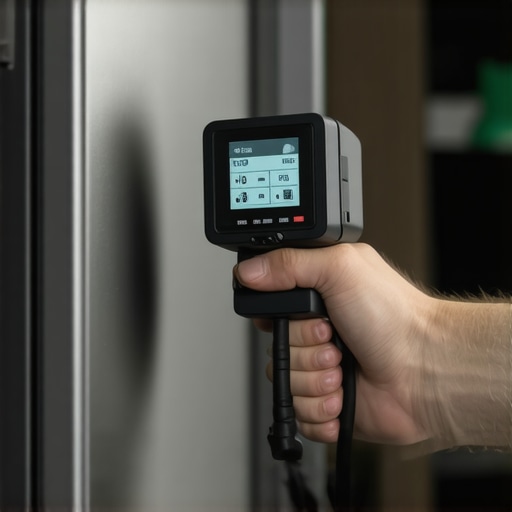
Imagine a compact digital inspection camera with a flexible arm, perfectly suited for inspecting your dishwasher or washing machine internals—making troubleshooting not only easier but more effective.
The Hardest Lesson I Learned About warranty,installation,appliance repair,same-day service
One profound insight I gained was that warranties are not always as comprehensive as they seem. Many homeowners, myself included, believe that coverage is automatic, but in reality, specific installation methods or neglecting regular maintenance can silently void that protection. This realization pushed me to follow exact setup procedures, especially with smart home devices, to ensure my warranty remained valid. Additionally, I learned that rushing into DIY repairs without proper diagnosis often worsens the problem and can invalidate warranty claims, leading to unforeseen expenses.
My Essential Toolkit for Ensuring Appliance Longevity
I’ve come to trust tools like the Fluke 117 multimeter because of its precision in diagnosing electrical issues. Coupled with a high-resolution digital inspection camera, these tools empower me to identify internal problems early, preventing costly repairs and preserving warranty coverage. Investing in quality equipment has transformed my maintenance approach from reactive to proactive, saving me both time and money in the long run.
Your Turn to Master Appliance Care
Taking charge of your appliance maintenance with the right tools, knowledge, and caution can make a significant difference. By understanding how setup, repairs, and regular inspections influence your warranty, you can avoid common pitfalls and extend the lifespan of your units. Remember, proactive steps today lead to fewer headaches tomorrow. Are you ready to start applying these insights and safeguard your appliances effectively? Share your experiences or ask questions below—let’s learn together!