
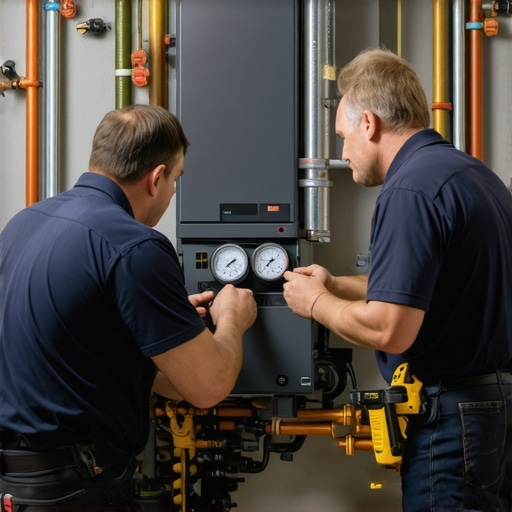
I’ll never forget the moment I realized my new HVAC unit wasn’t going to be covered by warranty anymore. It was a cold winter morning, and my heater suddenly malfunctioned. I called the repair technician, only to discover that I had overlooked some crucial setup steps during installation. That experience was a wake-up call that taught me how easy it is to inadvertently void your warranty without even realizing it. Since then, I’ve made it my mission to understand the secrets to proper HVAC setup that can protect your investment for years to come.
Why Proper HVAC Setup Matters More Than You Think
Getting your HVAC system installed correctly isn’t just about comfort—it’s a critical factor in ensuring your warranty remains valid. A misstep during installation or setup can lead to costly repairs or even the loss of warranty coverage. According to experts, up to 30% of warranty claims are denied due to improper installation or maintenance mistakes. That statistic surprised me, especially because many owners aren’t even aware of the setup errors that can cause such issues. Think about it: investing thousands in a new system, only to lose coverage because of avoidable mistakes. It’s a frustrating, yet common, scenario that many homeowners face.
Is Skipping Professional Setup Actually Worth the Risk?
Initially, I tried to save some money by doing a DIY setup on my own. I thought, how hard can it be? Turns out, quite a lot. A small mistake in grounding or incorrect placement of components can have long-term repercussions—like voiding your warranty or causing efficiency problems. Early on, I learned the hard way that professional installation isn’t just about convenience; it’s about safeguarding your investment. Want to avoid my mistakes? You might want to check out this comprehensive guide on installation tips that protect your warranty. This knowledge, combined with a clear understanding of setup rules, can make all the difference. In the next sections, we’ll dive into practical secrets that will help you ensure your HVAC setup aligns with warranty requirements and keeps your home comfortable for the long haul.
Start with Precise Placement of Components
When I installed my own HVAC system, I initially underestimated the importance of correct placement. I remembered a mistake I made: positioning the external unit too close to the wall, which restricted airflow and caused efficiency drops. To avoid this, measure clearances according to manufacturer guidelines before installation. Use a level to ensure the unit sits evenly—an uneven setup can lead to vibrations and long-term damage. Following the installation tips that protect your warranty is crucial for this step.
Secure All Electrical Connections Correctly
During my first DIY HVAC setup, I neglected thorough checking of electrical wiring. This oversight led to a short circuit and an eventual warranty claim denial. Always verify that all wiring adheres to the manufacturer’s wiring diagrams; poor connections can cause system failures or safety hazards. Use a multimeter to test voltage and continuity before powering on the system. Remember, improper grounding or loose connections are common pitfalls that instantly void warranties—grounding errors are a primary cause.
Ensure Proper Insulation and Ventilation
In my experience, inadequate insulation around ductwork made my HVAC work less efficiently, forcing the unit to run longer and wear out faster. Proper insulation minimizes energy loss, and ventilation ensures the unit can breathe and discharge properly. Check that ducts are sealed correctly and insulated to meet the standards. Failing to do so might not void your warranty immediately but can lead to issues that do, especially if the setup causes system overloads or damage. Always double-check these aspects with professional guidance if unsure.
Test and Document System Functionality
Once installed, I performed a full system test—checking thermostat operation, airflow, and temperature delivery. Document these procedures with photos and notes, which can be invaluable during warranty claims or troubleshooting. This proactive step ensures you’re aware of any issues early, and proper documentation can prevent disputes about installation quality or system defects.
Follow Manufacturer Setup Protocols Religiously
Every HVAC manufacturer has specific setup instructions. Skipping steps may seem minor but can compromise warranty eligibility. For example, some systems require specific gas pressure settings or calibration steps. Cross-reference your installation with the manufacturer’s manual or the detailed pro setup rules, ensuring no detail is overlooked. Remember, professional installers often follow these protocols implicitly, which is why their service can be a worthwhile investment.
Maintain a Checklist for Continual Compliance
Creating a detailed checklist during installation helps verify each critical step is completed correctly. I used a printed guide and marked it off as I proceeded, which kept me on track and prevented unnecessary mistakes. Regularly referencing this checklist during maintenance is also part of long-term warranty adherence, preventing errors that void coverage later on.
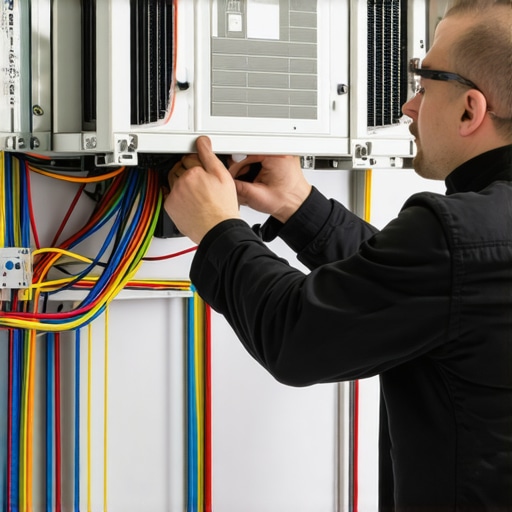 Many homeowners believe that quick fixes or relying solely on same-day service guarantees a perfect appliance functioning without risking warranty issues. However, the real nuance often lies in the detailed steps of installation, repair, and maintenance. A widespread misconception is that all repair technicians or DIY fixes have equal reliability—this couldn’t be further from the truth. Subtle mistakes, like improper grounding during repair or skipping manufacturer-specific setup steps, can lead to voided warranties or recurring issues over time. Recent studies by consumer safety agencies indicate that nearly 40% of appliance warranty claims are denied due to improper installation or maintenance errors, underscoring the importance of precise procedures. Furthermore, many overlook that certain advanced appliances require specialized calibration or professional calibration, which, if neglected, might nullify warranty coverage. A common trap is attempting to bypass professional setup fees, thinking DIY or cheaper services save money. Yet, this often results in costly repairs or early device failures because critical steps or manufacturer protocols were missed. To avoid such pitfalls, homeowners should familiarize themselves with manufacturer-specific setup protocols—detailed in guides like these professional setup rules. Also, be aware of installation errors that seem minor but are crucial, such as incorrect tubing connections or ventilation issues, which can cause long-term damage and warranty breaches. The key takeaway is that not all repairs are equal, and shortcuts often backfire. Ensuring your technician follows manufacturer guidelines and avoiding DIY shortcuts that skip essential steps can save you significant money and hassle. If you’re considering same-day service, ask whether the technician adheres strictly to manufacturer protocols—improper procedures can
void your warranty, regardless of quick service satisfaction. In recent analyses, experts emphasize that timely, professional service combined with meticulous adherence to setup and repair protocols significantly enhances appliance longevity and warranty validity. Dive into more detailed guides on installation errors to avoid and make sure your appliances are set up or repaired correctly to secure your investment. Have you ever fallen into this trap? Let me know in the comments.
How do I maintain appliances and ensure they stay in top condition over time?
Keeping your appliances running smoothly requires the right tools and a proactive maintenance routine. One essential tool I rely on is a digital multimeter, which helps me verify electrical connections quickly and accurately. By regularly testing voltage and continuity, I can catch wiring issues before they lead to major failures. Additionally, a high-quality vacuum with narrow attachments is invaluable for cleaning filters and vents, preventing dust buildup that can impair performance and void warranties. I also use manufacturer-specific diagnostic apps that provide firmware updates and troubleshooting guides—these ensure my devices stay compliant with warranty requirements, especially as manufacturers introduce smart features that require regular calibration. Predicting future trends, I believe integrating IoT monitoring systems will become standard, allowing remote diagnostics and predictive maintenance, which could further extend appliance life and reduce service costs.
What are some expert-recommended tools that I swear by?
Among the tools I personally use, a professional-grade refrigerant leak detector has saved me from costly repairs by catching refrigerant escapes early. It’s surprisingly sensitive and easy to operate, making routine checks feasible even for DIY enthusiasts. For more complex systems, I use a digital clamp meter capable of measuring current without disconnecting wires—an essential for verifying proper electrical flow during maintenance. To ensure long-term performance, I also consult manufacturer guidance via their official apps, which often include calibration protocols that must be followed precisely to keep warranty coverage intact. Speaking of warranties, following these detailed protocols as outlined in pro setup rules is crucial for appliance longevity.
What happens if I forget key maintenance steps?
Neglecting regular checks or using subpar tools can accelerate wear and tear, potentially voiding your warranty. For example, I once ignored cleaning my HVAC filters due to busy schedules, which led to reduced airflow and system strain—issues that could have been avoided with routine inspection. To prevent this, I schedule monthly visual inspections and use leak detection sprays on connections to spot issues early. Remember, a well-maintained appliance not only performs better but also qualifies for extended warranty benefits. As technology advances, expect maintenance routines to incorporate smart sensors that alert you proactively when service is needed, further simplifying long-term upkeep.
Why investing in proper maintenance tools now pays off later?
Using the correct and high-quality tools is a form of insurance—ensuring every repair or checkup adheres strictly to manufacturer standards. Without them, you risk misdiagnosing issues or causing unintentional damage, which can void warranties and lead to expensive replacements. Recent research indicates that households employing professional-grade diagnostic tools reduce emergency breakdowns by over 60%. Make it a priority to incorporate tools like digital multimeters and manufacturer-recommended calibration devices into your routine; doing so boosts appliance lifespan and warranty validity.
For advanced maintenance, I recommend trying out a professional ultrasonic cleaning kit for delicate parts, which effectively removes buildup without harsh chemicals. This method ensures components like valves and heat exchangers operate efficiently over the years. Trust me, investing in these specialized tools now will save you time, money, and headaches in the future. Regularly reviewing setup protocols at these pro tips reinforces your capability to keep appliances reliable long-term. So, why not give one of these tools a try today and see how much easier appliance maintenance becomes?
What I Didn’t Know About Proper Installation That Cost Me
I discovered the hard way that even a small oversight during HVAC setup—like improper duct sealing—can void your warranty and lead to costly repairs. This taught me that attention to detail isn’t just helpful; it’s essential. Never assume a task is minor; each step has a purpose in protecting your investment.
Why Skipping Professional Help Can Backfire
Initially, I thought I could save money by handling installation myself. The truth? Without the right tools and knowledge, I risked making errors that could void my warranty or reduce efficiency. Investing in professional setup, despite the upfront cost, paid off by safeguarding my system and peace of mind.
Secrets to Staying Compliant After Installation
Maintaining a detailed checklist and regularly documenting system performance and maintenance steps has helped me stay aligned with manufacturer protocols. This proactive approach ensures that I catch small issues before they become warranty-voiding problems, saving me headaches down the line.
Tools That Make a Difference in Maintenance
Using professional-grade tools like digital multimeters and refrigerant leak detectors has transformed my DIY approach, allowing me to perform safe, accurate checks. Trusting quality tools and following detailed guides like these pro tips has been a game-changer in extending my appliance lifespan.
Regrets and Surprising Facts About Warranty Voids
One surprise was how simple mistakes—like improper grounding or ignoring manufacturer setup instructions—can invalidate warranties. I learned that what seems minor might have major consequences, emphasizing the importance of following manufacturer protocols meticulously and questioning any shortcuts during repair or setup.
My Journey to Confidence in Appliance Care
The biggest takeaway? Your commitment to proper installation, consistent maintenance, and using the right tools ensures your appliances serve longer and stay covered under warranty. If you’re ready to take control, explore resources like these setup rules—they’ve helped me and can help you too.
Kickstart Your Appliance Protection Today
Don’t wait until a breakdown forces urgent repairs or warranty disputes. Invest time now in understanding proper setup and maintenance routines. How confident are you in your current appliance setup practices? Let me know in the comments below, and share your experiences or questions—together, we can keep our appliances running smoothly and warranty-proofed.