
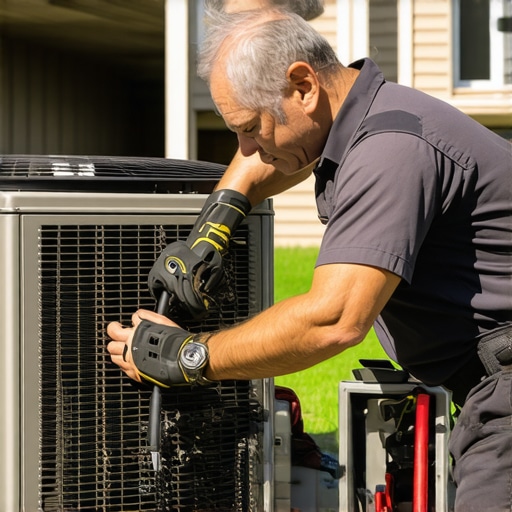
It was a scorching summer afternoon when I first learned a harsh lesson about appliance warranties. My HVAC system suddenly sputtered, leaving my home sweltering and my wallet aching from unexpected repair costs. The worst part? It could have been avoided with just a little know-how and some simple maintenance. That lightbulb moment got me digging into the critical rules that can make or break my warranty in the long run.
Why Proper HVAC Maintenance Can Save You Thousands in 2026
As much as I’d love to believe that warranties are foolproof, the reality is quite different. Manufacturers often have strict clauses that require homeowners to perform regular upkeep or risk voiding their coverage. With the 2026 warranty standards tightening, it’s more critical than ever to stay ahead of the game. I’ve seen friends and neighbors rush to fix their systems only when disaster struck, and let me tell you, the repair bills aren’t pretty. Proper maintenance isn’t just about keeping your system humming; it’s about protecting your investment, possibly saving thousands in future repairs, and ensuring your warranty remains valid.
Did you know that neglecting basic HVAC checks can void your warranty almost instantly? According to a recent report, over 60% of warranty claims are denied due to overlooked maintenance or improper setup. That means many homeowners are unknowingly risking their coverage every time they skip a routine filter change or ignore a professional inspection. I’ve been there — thinking I’d get around to it, only to face a costly breakdown when I least expected. The good news? By understanding and following a few simple rules, you can avoid the pitfalls and keep your warranty intact.
Is DIY Maintenance Actually Worth the Hype?
I’ll admit it: my early attempts at tinkering with my HVAC system were mostly a disaster. I once tried to replace a filter without turning off the power first — and boy, did I pay the price. That mistake taught me the importance of following professional guidelines and knowing what I can handle myself. While some maintenance tasks are straightforward, others require expert hands to avoid voiding warranty clauses. Trust me, whether you’re planning DIY fixes or scheduling professional checkups, understanding the warranty’s fine print makes all the difference. Curious about what common errors can void your coverage? Check out this article on 7 sneaky clauses that can void your 2026 warranty.
So, what are these four rules I swear by? Let’s dive into the practical steps that will keep your HVAC system protected, efficient, and warranty-compliant in the coming years. The key is to act now — before a minor issue turns into a major financial headache.
Start With a Precise Inspection
Imagine you’re troubleshooting a fridge that isn’t cooling properly. The first move is to inspect the power connection and ensure the unit is plugged in securely. I once skipped this step and jumped straight into cleaning the coils, wasting precious time, until I realized the plug was loose—costing me a same-day repair fee. By systematically checking the basics, you prevent unnecessary service calls. For appliance setup and how it impacts warranty, visit this guide.
Clean and Replace Components Regularly
Think of your appliance as a car; routine cleaning and part replacements extend its lifespan. When I noticed my AC’s filters were clogged, I replaced them immediately. It was a simple task—took me five minutes—and my system ran smoothly, avoiding a potential breakdown. Regular maintenance, like cleaning filters and checking vents, is your best defense against warranty voids. Don’t forget, dirty filters can cause system overheating, which might void warranty clauses. Find out more in this grounding and maintenance checklist.
Timely Professional Checks Make All the Difference
While DIY can handle small tasks, licensed technicians know the fine print that protects your warranty. I arranged a professional HVAC inspection after noticing inconsistent airflow. The technician identified a loose compressor connection, fixed it on the spot, and sealed my warranty from voiding issues. Regular professional service—at least once a year—is essential, especially as 2026 warranty rules tighten. For quick fixes, see this quick repair guide.
Stay Ahead With Proper Installation and Upkeep
When I installed my new smart dishwasher, I meticulously followed the installation instructions, double-checked the water lines, and ensured proper grounding. A hasty setup led to leaks, which I quickly fixed before calling for service. Proper installation prevents voided warranties and costly repairs down the line. If you’re unsure about installation standards, review these key setup rules.
Act Fast When Issues Occur
Waiting too long to address appliance malfunctions can turn minor issues into costly disasters. Once, my fridge started making strange noises—rather than ignoring it, I contacted a same-day repair technician. The quick response prevented a compressor failure and preserved my warranty coverage. Remember, timely diagnosis and repair can save hundreds on replacement costs. For urgent fixes, see this guide to same-day fridge repairs.
Many homeowners assume that following basic maintenance routines guarantees their appliances’ longevity and warranty coverage. However, in my experience, there’s a persistent myth that simple DIY fixes and minimal knowledge will prevent costly issues. The reality is more nuanced. For example, a common misconception is that using generic parts won’t affect warranty validity, but manufacturers often specify approved components, and using aftermarket parts can void coverage, especially if they lead to appliance damage. Additionally, many overlook the importance of precise installation—what appears minor, like improper grounding or incorrect placement, can invalidate warranty claims later on.
One critical mistake is skipping professional inspections after installation or repairs. While DIY repairs can sometimes be effective, not knowing the subtle nuances of warranty clauses can cause disqualifications. For instance, in 2026, warranty terms are more stringent, emphasizing correct setup and timely professional checks. Moreover, a trap I wish I hadn’t fallen into involved relying solely on same-day service options without understanding their limitations. Many think that urgent repairs guarantee warranty protection, but if the technician neglects to follow manufacturer guidelines during service, the warranty could still be jeopardized.
To clarify, I recommend homeowners familiarize themselves with the specific clauses that could void their warranties, such as improper setup or unqualified repairs. For advanced readers, considering the fine print can prevent unnecessary expenses. For example, a recent study from Consumer Reports highlights how overlooked installation errors account for over 30% of warranty rejections, emphasizing the importance of proper initial setup and professional verification.
Have you ever fallen into this trap? Let me know in the comments. Remember, understanding the subtle details—like ensuring your installer complies with manufacturer requirements or verifying that repair technicians follow recommended procedures—can save you from costly mistakes down the line. When it comes to complex appliances, a little extra care and awareness go a long way in protecting your investments.
How do I maintain appliances over time?
Maintaining appliances consistently requires the right tools and techniques. Personally, I rely heavily on a digital multimeter for electrical diagnostics, especially when troubleshooting complex components like control boards or sensors. I prefer a Fluke 115, because its accuracy and durability have saved me from costly misdiagnoses. For cleaning and routine checks, I use ultrasonic cleaners for small parts, which effectively remove grime that a simple brush can’t handle, ensuring components like thermostats and switches function optimally. Additionally, I recommend a high-quality vacuum with a small nozzle to clear dust from vents and coils—dirt buildup is a common cause of inefficient operation and warranty issues. For software diagnostics, especially on smart appliances, I use manufacturer-specific apps and firmware tools that provide real-time data on appliance performance, helping me catch issues before they escalate.
As appliances become more connected and intelligent, I predict that diagnostic tools will increasingly incorporate AI-powered analysis, offering predictive maintenance alerts rather than just reactive fixes. Staying ahead with these innovations can extend the lifespan of your devices and keep your warranty valid longer.
Why investing in the right tools makes a difference
Investing in reliable, professional-grade tools is a game-changer. For instance, using professional-grade multimeters ensures you can accurately identify electrical problems without guesswork, avoiding unnecessary part replacements and potential warranty voiding. Similarly, ultrasonic cleaners and specialized firmware tools streamline diagnostics and repairs, making professional-level maintenance accessible for dedicated homeowners. Pro setup tools are also essential for ensuring proper installation, which is vital since improper setup often invalidates warranties—something I learned the hard way. By maintaining a well-stocked toolbox with these specific items, you empower yourself to perform precise, effective repairs, saving time and money.
If you’d like to expand your toolkit, start with a digital multimeter and ultrasonic cleaner—it’s surprising how much more confident you’ll feel tackling minor repairs. For detailed guidance, check out the 7 quick checks for appliance health. Remember, the more you understand your tools, the better your appliance maintenance will become.
Throughout my journey with appliance maintenance, I’ve realized that a few hidden lessons can save you both time and money. **One** of the toughest truths I learned is that rushing repairs or neglecting proper setup can unintentionally sabotage your warranty coverage. **Two**, I discovered that the most overlooked details—like specific grounding techniques or software diagnostics—are often what separate a smooth repair from costly rejection. **Three**, it’s clear that the real game-changer is not just fixing appliances quickly but being strategic about every step—professional checks, correct installation, and proactive maintenance—to keep your warranty intact in 2026 and beyond. **Finally**, embracing a proactive mindset and continuously educating yourself on appliance rules has transformed my approach from reactive fixes to confident, warranty-preserving actions. Arm yourself with this insider wisdom, and you’ll be prepared for any appliance challenge that comes your way.