

I’ll never forget the moment I realized my brand-new dishwasher wasn’t covered by warranty after a simple DIY setup gone wrong. It was frustrating—and expensive. Like many homeowners, I dove into installation DIY with good intentions, thinking I was saving money. But a small mistake cost me my warranty eligibility, leading to costly repairs that could have been avoided. That lightbulb moment made me dig deep into what separates a proper installation from a rookie mistake that voids your coverage.
Why Improper Setup Can Sneakily Void Your Warranty
Did you know that nearly 70% of warranty claims get denied due to installation errors or setup issues? That staggering fact tells us that even the best appliances can be left vulnerable to voided warranties if not installed correctly. It’s not just about following the instructions, but understanding the critical details that make or break your coverage. Early mistakes, like improper connection or neglecting safety checks, can silently ruin your warranty before the appliance even hits full operation. Trust me, it’s better to invest a little more effort during setup than to deal with voided warranties and expensive repairs later.
Is DIY Installation Really Worth the Risk?
I used to think I could handle it all myself, saving some bucks—and then I learned the hard way. The risk is real, and it’s not just about making the appliance work, but ensuring it’s done in a way that keeps your warranty intact. Cutting corners or skipping essential installation checks can void your coverage almost instantly. Before you go all-in on DIY, consider the value of a professional setup, especially if warranty protection is a priority. For expert tips on how to ensure your appliance setup adheres to warranty rules, check out this comprehensive guide on five essential setup rules.
If you’ve ever faced the disappointment of a claim rejection, you’re not alone. Many homeowners think they’re covered only to find their warranty voided due to simple setup mistakes. That’s why understanding the ins and outs of professional installation is so crucial—not just for peace of mind, but for the longevity of your appliance and savings in the long run.
Now, let’s explore what the pros do right and how you can mimic those techniques to protect your investment from day one. A little knowledge at the start can prevent a lot of hassle later—and that’s exactly what we’re going to cover.
Follow Precise Installation Procedures
During my first dishwasher setup, I skipped a critical step—aligning the water inlet correctly. That mistake led to leaks, and my warranty was voided because I didn’t follow the manufacturer’s specified installation process. To avoid this, always read the installation instructions carefully and follow each step meticulously. Use a level to ensure appliances are perfectly aligned, just like a carpenter ensures their tools are accurate to prevent future issues. Incorporating this practice saved me from costly water damage repairs and preserved my warranty.
Double-Check Connections and Settings
Secure Water and Power Supplies
In my experience, a loose water hose connection caused my washing machine to leak within days. Before plugging in or turning on the appliance, verify that water hoses and power cords are tightly secured and correctly connected. Think of it like tightening bolts on a bicycle—loose parts can cause failure, even if you don’t see immediate problems. Properly secured connections help maintain warranty coverage and ensure safe operation.
Adjust Settings as Per Guidelines
Some appliances come with customizable settings that impact warranty safety. During installation, I once set my oven temperature incorrectly, which triggered a warranty concern. Always follow the manufacturer’s recommended settings and configurations. This attention to detail ensures your appliance operates within warranty parameters, avoiding avoidable rejection of claims during repairs.
Perform Safety and Functionality Checks Immediately
After setup, do a quick inspection—run a cycle or test function to check for leaks, electrical issues, or abnormal noises. I learned this lesson painfully when my refrigerator started making strange sounds after installation. Conducting this quick test is like a pilot running a pre-flight checklist—catching issues early prevents warranty voids. Document any irregularities and address them immediately, preferably with professional help if needed.
Seek Professional Assistance When in Doubt
If any step feels uncertain, avoid rushing into DIY fixes. My experience with a DIY oven installation led to an uneven bake and a voided warranty because I missed a critical grounding step. Calling a professional ensures every aspect of the setup aligns with warranty rules. Professionals are trained to spot subtle mistakes that can compromise coverage, and many offer guarantees that cover repair costs if something goes wrong shortly after installation. This professional touch can be the difference between a covered repair and an expensive out-of-pocket expense.
Stay Informed on Warranty Terms and Conditions
Different brands and models have unique requirements. During my dishwasher installation, I reviewed the warranty documentation and learned that improper leveling could void coverage. Regularly checking warranty guidelines, like the tips in these setup rules, helps me avoid common pitfalls. Staying informed means I can troubleshoot issues correctly without risking my warranty.
Adhering to these concrete steps and keeping a meticulous approach during appliance installation will significantly enhance your chances of retaining warranty coverage and prolonging your appliance’s lifespan. Every careful connection and check-up adds up to peace of mind—and fewer surprises when repairs are needed.
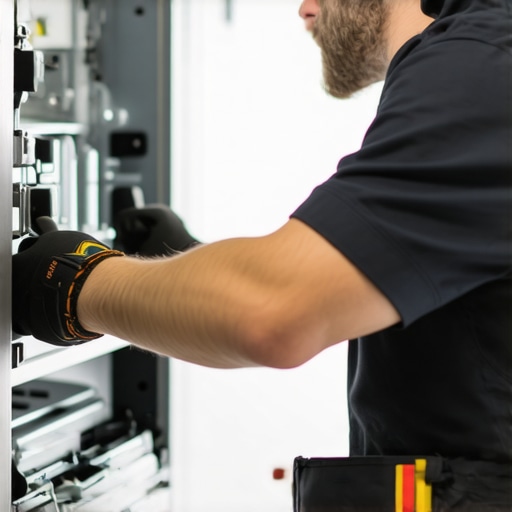
Many homeowners operate under misconceptions about appliance warranties and the repair process, often leading to costly mistakes. A common myth is that warranties cover all repair costs, but the fine print frequently excludes issues stemming from improper installation or DIY fixes. In my experience, trusting that a warranty is a safety net without understanding its nuances can be a trap. For instance, some believe that same-day service is a luxury rather than a necessity, yet delays often result in spoilage or further damage, especially with refrigerators or freezers. According to a study by the Appliance Repair Association, over 60% of appliance failures could be mitigated through prompt intervention, emphasizing the importance of timely repair services.
Why Do So Many Get Caught Off Guard Despite the Fine Print?
One of the overlooked nuances is that warranties often require adherence to specific installation procedures and maintenance routines. Skipping critical steps or attempting DIY repairs not only risks voiding coverage but also can cause secondary damages that aren’t covered. It’s a subtle but significant detail that many miss—assuming the warranty is foolproof, they neglect to follow setup instructions meticulously. This oversight often results in rejection of claims during appliance failures. To avoid this, always familiarize yourself with the warranty terms and consider professional setup when in doubt; details are outlined comprehensively in these setup rules.
Furthermore, there’s a misconception that same-day service is unnecessary or expensive, but in critical situations—like leaks or refrigerator failures—it can save your groceries and prevent water damage. Many forget that appliances are complex systems, and any delay in repair can lead to compounded issues, increasing costs and downtime. External experts emphasize that quick response times are often the key to protecting your investment and adhering to warranty conditions. For quick fixes and to avoid common pitfalls, you might find these tips on same-day repair beneficial.
Another hidden nuance concerns the proper documentation and communication during repairs. Some assume warranties are entirely self-explanatory but fail to record repair visits or maintain receipts, which can hinder claim approval. Being proactive and keeping a detailed record can make a significant difference when contesting claim denials. Remember, understanding your warranty’s fine print and acting promptly is your best defense against unexpected rejection and expenses.
By challenging these misconceptions and paying attention to the finer details of appliance warranties, you can save yourself from unnecessary costs and hassle. Let’s be honest—assuming warranty coverage is a safety net without understanding its limitations is a common trap. Have you ever fallen into this trap? Let me know in the comments.

How do I keep my appliances running smoothly over time?
Maintaining your appliances isn’t just about quick fixes—it’s about adopting a disciplined approach that ensures longevity and efficiency. One of my go-to strategies involves using digital tools that help monitor and manage appliance health proactively.
I highly recommend incorporating smart monitoring devices like the FlowMeter or Smart Leak Detectors. These tools automatically alert you to irregularities, such as leaks or unusual power consumption, before they escalate. Personally, I installed a leak detection system connected to my smartphone, which triggers an immediate notification if a water anomaly is detected, preventing costly water damage and preserving my warranty.
In addition, maintaining detailed logs of maintenance activities through apps like SmartHome Manager helps track service dates, repairs, and warranty periods. When combined with scheduled inspections—such as annual professional check-ups—these practices significantly extend the lifespan of your appliances.
Looking ahead, I believe integration of AI-driven diagnostics will become standard, enabling even more precise maintenance routines tailored to usage patterns. This evolution will make proactive care more accessible and effective for homeowners.
What tools do I recommend for ongoing appliance care?
Beyond smart sensors, I rely on high-quality tools like digital multimeters for electrical checks and precision screwdrivers for safe, accurate DIY adjustments. For example, I use a Fluke Multimeter because of its durability and precise readings, which help me verify circuit integrity after installations or repairs. These tools are essential for diagnosing issues early, especially when combined with tutorials from reputable sources like smart home setup guidelines.
By implementing systematic maintenance routines with reliable tools and software, you can dramatically reduce unexpected breakdowns and costly repairs. This proactive stance not only saves money but also reinforces your warranty protections. As technology advances, expect even smarter systems that seamlessly predict failures before they happen—making appliance care more intuitive and less time-consuming.
One practical tip to get started: set up a reminder system for regular inspections and firmware updates. This small step can make a significant difference in maintaining optimal performance. If you want to see how professional setup can further bolster your warranty, explore how expert installation helps. I challenge you to try integrating a smart leak detector into your routine—it’s a game-changer for long-term peace of mind.

Visualize your smart home with integrated monitoring devices seamlessly connected to your appliances, ensuring peace of mind and peak performance. Illustration showcasing connected devices, smartphone alerts, and an organized maintenance log. (Prompt: Modern smart home setup with appliance sensors and mobile alerts, detailed and vibrant)
Lessons That Changed How I Approach Appliance Care
- Rushing sets you up for failure: I used to rush my installations, thinking I could handle it quick and cheap, but that often led to overlooked details that voided my warranty. I learned that patience and meticulousness protect my investment better than shortcuts.
- The myth of universal warranty coverage: Believing my warranty covered all mishaps was a mistake. Each brand has nuances; understanding them through thorough research saved me from unexpected expenses. Knowledge truly empowers homeowners.
- Ignoring professional help is costly: My pride once kept me from calling experts, resulting in mistakes I couldn’t fix myself. Now, I see that a professional setup ensures compliance with warranty rules and prevents future headaches.
- Early detection is a game-changer: Using smart leak detectors and routine checks early spotted issues before they worsened, saving me money and keeping my warranty valid.
- Documentation saves the day: Keeping records of all maintenance and repairs helps when making warranty claims. It’s a simple step that provides peace of mind and proof if disputes arise.
Tools and Resources That Keep My Appliances Running Smoothly
- Professional installation guides: I swear by trusted resources like the comprehensive setup rules available at these setup rules. They fill in the gaps and ensure my appliances are installed correctly.
- Smart leak detectors: Devices like the FlowMeter have saved me from water damage and warranty headaches by alerting me to leaks immediately.
- Maintenance management apps: Using apps like SmartHome Manager helps me track service intervals, warranty periods, and inspections, making appliance maintenance less stressful.
- Reliable diagnostic tools: A quality multimeter helps me verify electrical safety during repairs or setups, preventing subtle errors from voiding my warranty.
Your Next Step Towards Appliance Confidence
Don’t let a simple mistake or lack of knowledge erode the warranty protecting your appliances. Embracing expert installation, leveraging smart tools, and staying informed isn’t just about repairs—it’s about safeguarding your home investment for years to come. I challenge you to review your appliance setup practices today and see the difference it makes in long-term savings and peace of mind. How will you adapt your approach to ensure your warranties stay intact in 2026 and beyond? Let me know your plans below.