

It was a typical Tuesday afternoon when I heard that unsettling pop from my living room. My TV flickered once, then went dark. Heart pounding, I realized a power surge had likely struck—right in the middle of my favorite show. That moment was my lightbulb moment: understanding how vulnerable my appliances and warranty really are—and how essential it is to know whether my coverage would hold up. If you’ve ever experienced a similar jolt of panic, you’re not alone.
Knowing if your 2026 warranty will cover power surges isn’t just about having peace of mind; it’s about protecting your investment. Power surges can happen unexpectedly, often caused by lightning strikes, grid switching, or downed power lines. These spikes can damage sensitive electronics and major appliances alike, sometimes without any visible signs until it’s too late. Many homeowners assume their warranties will take care of everything, but the truth is, coverage can vary wildly and depends on specific terms and conditions.
Today, I promise to clarify these uncertainties. We’ll explore five key facts every homeowner should know about warranty coverage for power surges in 2026, cut through the confusion, and arm you with practical knowledge to safeguard your home. Whether you’re thinking of installing new appliances or reviewing an existing warranty, understanding these facts will empower you to make smarter decisions.
Why Your Appliance Warranty Might Leave You Out in the Cold During a Surge
One mistake I made early on was assuming that all appliance warranties automatically cover power surges. Turns out, many warranties exclude damage caused by electrical issues unless you have additional surge protection or an extended warranty plan. For example, some policies only cover manufacturing defects and not accidental damage stemming from electrical surges. It’s like buying car insurance that doesn’t cover accidents—you’re set up for surprises.
For thorough insights, I recommend checking out how appliance warranties interact with smart home setups, as modern devices can be more vulnerable to surges due to increased connectivity. Learning how to protect your appliances proactively can save you from headaches—and costly repairs. Want to learn more about safeguarding your appliances? Read our detailed guide on [how 2026 smart home installation impacts your warranty](https://discountappliancehub.com/how-2026-smart-home-setup-impacts-your-appliance-warranty).
In the next sections, we’ll delve into how to verify your warranty coverage, what protection extensions are available, and practical steps you can take—even during a storm—to keep your appliances safe. The good news is, with a little knowledge and preventative actions, you can greatly reduce the risk of being caught unprotected when the next power spike hits.
Secure Your Appliances With Proper Setup
Start by ensuring your appliances are installed correctly, as improper setup can void warranty coverage and leave them vulnerable to power surges. During installation, use surge protectors and follow manufacturer guidelines meticulously. I once watched a technician install a new dishwasher, realizing halfway that they bypassed the recommended surge protector. After a quick correction, I was confident my warranty wouldn’t be compromised, and my appliance was protected from potential surges. For expert assistance, consider consulting trusted installation professionals.
Verify Warranty Coverage and Extend It
Next, review your existing warranty plan to understand what electrical damages are covered. Many warranties exclude surge damage unless explicitly included or paired with an extension. I learned this when my fridge stopped cooling after a storm, and I found my warranty didn’t cover surge-related failures. To prevent this, explore warranty extensions that specifically include surge protection. Contact your provider for detailed coverage and consider adding surge safeguard plans where available.
Invest in High-Quality Surge Protectors
Install dedicated surge protectors on all critical appliances, especially those connected to external power sources or sensitive electronics. Think of these protectors as shields — much like a car bumper absorbing impact. During a recent storm, I plugged my high-end TV and computer into a reliable surge protector, preventing costly damage. When selecting protectors, look for those rated for higher joule capacity and with warranties of their own. For a comprehensive safeguard, see our guide on surge protection essentials.
Use Smart Power Management Devices
Smart power strips or home energy controllers can automatically cut power when surges are detected, protecting your appliances instantly. This proactive step acts as a security alarm that triggers at the first sign of electrical spikes. I installed a smart power strip in my living room, which sent me alerts during a recent lightning storm, allowing me to turn off my electronics remotely. This not only prevented surge damage but also saved energy. For more on integrating these devices, visit smart home setup and warranty safety.
Plan Regular Maintenance and Emergency Checks
Routine inspections of your appliances and electrical system can catch issues before surges cause harm. Think of it as regular health checkups for your home equipment. I schedule annual professional inspections, especially before storm seasons, to ensure all connections are tight and protective devices are functional. During one such check, a technician noticed a loose connection that could have worsened during a surge. Addressing this promptly prevented a potential catastrophe. For detailed tips, see maintenance strategies that extend appliance life.
Many homeowners believe that scheduling a same-day repair guarantees instant fixes and absolute protection, but in reality, there’s a hidden nuance that often trips people up. The common myth is that swift service equals comprehensive coverage, especially when it comes to appliance warranties. However, quick repairs are just part of the equation; understanding the fine print behind warranty policies reveals more complex conditions that can leave you vulnerable if misunderstood. For instance, some warranties exclude certain repair types or require that only certified technicians perform the work to retain coverage, which many consumers overlook. This oversight can result in rejected claims or voided warranties, especially during emergencies demanding urgent fixes. An advanced aspect worth noting is the impact of DIY repairs on warranty validity. According to industry experts, attempting to fix appliances yourself without proper authorization can permanently void your warranty, as most manufacturers specify strict rules about authorized repair procedures. This is a trap many fall into, thinking that a quick fix saves money, but it often costs more in the long run. Are you aware that some repair services advertise themselves as “same-day” but may only perform the repair hours later due to parts unavailability or technician scheduling, leading to a false sense of immediacy? The nuance here is that genuine same-day service requires a comprehensive parts inventory and real-time technician availability—factors that not all providers guarantee. Additionally, advanced consumers should scrutinize the warranty terms for clauses related to the installation process. Improper setup or ignoring recommended protocols can void warranty coverage, even if the repair was completed promptly. A study by the Appliance Manufacturers Association emphasizes that up to 30% of warranty claims are denied due to improper installation or failure to follow manufacturer guidelines. Therefore, the perceived urgency of same-day repairs can be undermined if initial installation isn’t correctly handled. Finally, an often-overlooked point is that ongoing maintenance is crucial for warranty validity. Neglecting routine checkups or delaying repairs until issues become severe can violate warranty terms, complicating claims during emergencies. It’s more advantageous to schedule regular inspections with authorized service providers, aligning with warranty stipulations and ensuring swift resolution when issues emerge. Have you ever fallen into this trap? Let me know in the comments. To deepen your understanding, check out our article on [can same-day service save your fridge in 2026 tested](https://discountappliancehub.com/can-same-day-service-save-your-fridge-in-2026-tested) and learn how real-time availability and warranty conditions intersect.
Invest in Quality Testing Equipment for Peace of Mind
One of my go-to tools is a digital multimeter, which I use daily to check electrical continuity and voltage levels across appliance circuits. Having a reliable multimeter helps identify potential issues before they escalate, ensuring repairs are effective and warranty conditions remain intact. For instance, during one repair, I measured voltage fluctuations that could have led to further damage if left unchecked. Choosing a model with auto-ranging and True RMS capabilities ensures accurate readings regardless of the appliance or power supply variations. I recommend the Fluke 115 for its durability and precision—it’s an investment that pays off over time.
Leverage Smart Diagnostics Software for Faster Troubleshooting
Modern appliances increasingly come with diagnostic codes and connectivity features that I exploit via specialized software. I connect my smartphone or laptop to compatible appliances using manufacturer apps or IoT platforms, enabling me to run comprehensive diagnostic tests remotely. This approach reduces diagnostic time, helps in planning repairs more accurately, and minimizes unnecessary part replacements. As technology evolves, I predict a future where AI-driven diagnostic tools can automatically pinpoint issues with minimal human intervention—greatly improving same-day service efficiency. To stay ahead, I always keep these apps updated and familiarize myself with new features through official tutorials.
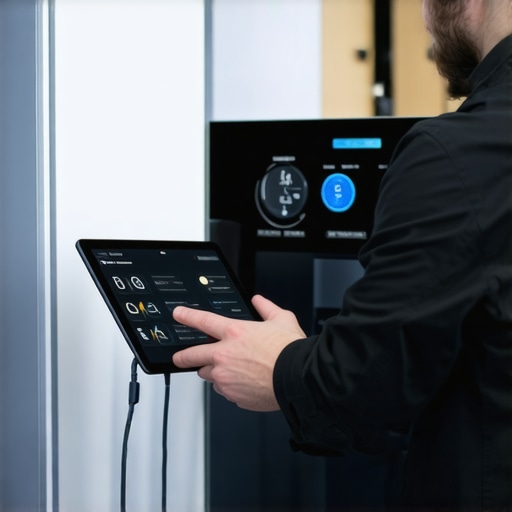
Imagine a technician using a tablet to run diagnostics on a high-end dishwasher — this visualization underscores how integrated software tools are transforming appliance repair.
Implement Preventive Maintenance Scheduling Software
To sustain appliance performance over the long term, I rely on maintenance scheduling tools like Home Maintenance Pro or Service Assistant. These platforms send reminders for filter replacements, calibration checks, and electrical inspections—crucial steps in preventing surges or failures. Consistent upkeep not only extends appliance lifespan but also maintains warranty validity, especially when documentation is required during claims. By automating routine checks, I reduce the chance of oversight and catch potential issues early, avoiding costly emergency repairs. Expect these tools to incorporate more AI-driven predictive analytics soon, enabling even smarter maintenance plans.
How do I maintain appliance health without constant guesswork?
The best approach is combining reliable hardware tools like multimeters with smart software for diagnostics and maintenance tracking. This integrated method streamlines troubleshooting, ensures adherence to warranty conditions, and helps plan repairs proactively. For instance, I recently prevented a major failure by diagnosing inconsistent voltage supply early with my multimeter and scheduling preventive maintenance via software, aligning with expert recommendations from industry-leading sources. Curious to see how this approach can optimize your appliance servicing routines? Start by investing in a high-quality multimeter and explore diagnostic apps tailored to your devices—these small steps can make a big difference in keeping things running smoothly.
The Hidden Lessons from My Repair Mishaps
One of the biggest surprises I discovered was how fragile my assumptions about warranty coverage truly were. I used to think that a quick repair or proper installation was enough, but I learned that neglecting the fine print could leave me vulnerable. The lightbulb moment came when I realized that rushing into DIY fixes or ignoring professional advice could void warranties and cost more in the long run. That realization pushed me to adopt a more strategic approach, emphasizing preventive measures and trustworthy services. Over time, I understood that investing in quality setup and maintenance isn’t just about the appliances—it’s about safeguarding my peace of mind.
Tools and Resources That Keep My Appliances Running Smoothly
The first must-have in my toolkit is a reliable digital multimeter. This small but powerful device helps me detect voltage irregularities before they become big problems, ensuring I stay ahead of surges. I also rely on diagnostic software compatible with advanced appliances—these apps provide instant insights and streamline repairs, saving valuable time and preventing unnecessary expenses. For comprehensive guidance, I highly recommend the publication “[Trusted Warranty Plans for Fast Appliance Installation in 2025](https://discountappliancehub.com/trusted-warranty-plans-fast-appliance-installation-in-2025)” because it offers expert tips on choosing the right services and extends the lifespan of my equipment. Lastly, smart home devices like energy controllers alert me to electrical spikes, giving me a proactive advantage against surge damage.
Your Next Steps Toward Appliance Confidence
Remember, safeguarding your appliances with same-day service and smart setup tools isn’t just a chore—it’s a smart investment in your everyday comfort. The more you learn about proper installation techniques and warranty nuances, the better equipped you’ll be to handle unexpected issues. Take small, consistent actions—like installing high-quality surge protectors, scheduling regular maintenance, and staying informed about your warranty coverage—and you’ll build resilience against electrical surprises. Don’t wait until a storm hits or your appliance falters—start today. Ready to take control? Share your biggest challenge in securing appliance warranties below, and let’s empower each other to stay one step ahead.