
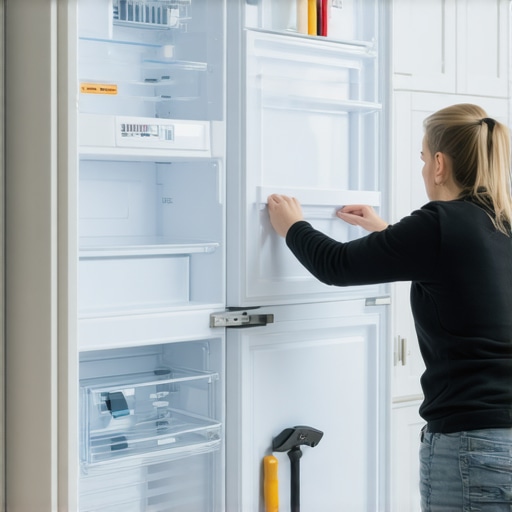
Picture this: You’re standing in your kitchen, groceries in hand, ready to whip up dinner, only to realize your fridge isn’t cooling. That sinking feeling hits—you know that without proper refrigeration, your food could spoil, and your evening plans might be ruined. Trust me, I’ve been there, frantically searching for quick fixes before dialing the repair technician. The clock is ticking, the grocery bags are waiting, and the last thing you want is to spend your evening waiting for someone to fix your appliance.
Discovering that your fridge isn’t cooling can feel like a mini-disaster, especially if you’re on a tight schedule or concerned about food waste. The good news? Before scheduling a same-day repair, there are a few simple tricks you can try that might save you time and money. In this post, I’ll walk you through three effective tactics I’ve personally used and recommend to keep your food cold and your day on track.
Why acting quickly matters when your fridge fails
According to recent studies, the U.S. Department of Energy estimates that approximately 4% of household energy use is from refrigeration appliances, making them indispensable. When they stop working, it’s not just inconvenient—it’s a potential food safety issue and a costly interruption. That’s why understanding some immediate troubleshooting steps can make a real difference, especially when trying to avoid urgent repair costs or food wastage.
Is attempting DIY fixes actually worthwhile or just a waste of time?
Early in my appliance repair journey, I made the mistake of rushing into a full-blown repair call without trying some quick, safe fixes first. That mistake cost me both time and money. After learning from that, I realized that many common fridge issues can be fixed with a bit of know-how, provided you follow the proper steps. If you’re unsure where to start, I recommend checking out trusted guides that explain how to troubleshoot common problems—sometimes, a simple reset or cleaning can do the trick.
So, if your fridge isn’t cooling, don’t despair. Let me share three tactics that might help you turn this situation around before calling in for same-day repair service. These methods are straightforward, low-risk, and often surprisingly effective, especially when your food’s safety depends on it. Ready? Let’s dive into the first tactic.
Check the Power Supply
Start with the basics: ensure the fridge is plugged in properly and the power outlet is functioning. Sometimes, a tripped circuit breaker or a loose plug can be mistaken for a mechanical failure. I once spent an hour troubleshooting my fridge, only to realize a tripped breaker was the culprit—saving me a costly call. To verify, plug in a lamp or device into the same outlet to confirm power flow. Reset the breaker if needed, and see if the compressor kicks in. This step is straightforward but essential—don’t overlook it.
Clean the Condenser Coils
The condenser coils, usually located at the back or underneath your fridge, act like a radiator—it cools the refrigerant. Dust and debris buildup insulate the coils, reducing the refrigerator’s efficiency. One quick way to check is to unplug your fridge and vacuum or brush the coils thoroughly. I once ignored this step and replaced a compressor unnecessarily; cleaning the coils turned out to be the fix. Use a coil brush or a vacuum with a crevice tool. Aim to do this at least twice a year to maintain optimal performance.
Ensure Proper Door Seals
Gaps in door seals cause warm air to enter, making your fridge work harder and possibly stop cooling effectively. To test, close the door on a dollar bill or a piece of paper—if it slips out easily, the seal is compromised. Clean the gaskets with warm soapy water, and inspect for tears or deformities. Replacing worn seals is straightforward and inexpensive—I’ve replaced mine using a DIY kit in less than 15 minutes. Strong seals keep the cold in and save energy, so don’t neglect this quick check.
When to Call a Professional
If these steps don’t restore cooling, it’s time to consider professional help. A reliable same-day repair service can diagnose issues like faulty thermostats, defective fans, or compressor problems. Remember, choosing a service with warranty-backed guarantee ensures lasting results. I learned the hard way that DIY can’t fix every problem—sometimes, a pro’s expertise saves you money in the long run, especially with complex refrigerant or compressor issues that require specialized equipment.
Monitor and Prevent Future Problems
Once your fridge is cooling properly again, set up regular maintenance routines. Clean condenser coils every six months, check door seals monthly, and ensure the fridge is level—tilting can affect door seals and cooling performance. Proper setup and upkeep prolong the lifespan of your appliance, prevent costly repairs, and protect your warranty. For installation tips, trusted setup experts can help you avoid common mistakes that void warranties, as discussed here.
 Many homeowners assume that scheduling a same-day repair guarantees a flawless fix or that warranty coverage ensures ongoing peace of mind. However, these assumptions often overlook the nuanced realities behind professional appliance repair, installation, and warranty agreements. For instance, a prevalent misconception is that urgent service always equates to better quality. In reality, some companies prioritize quick turnaround times over thorough diagnostics, leading to recurring issues. It’s crucial to research providers that have a solid reputation for accurate diagnostics and transparent warranty policies, like those found at [reliable same-day appliance repair with warranties](https://discountappliancehub.com/reliable-same-day-appliance-repair-with-warranties-fast-service).
One common trap homeowners fall into involves misinterpreting what warranties cover. Many believe that a warranty guarantees free repairs for any malfunction, but in truth, exclusions such as improper installation or user errors can invalidate claims. Moreover, not all warranties are created equal; some may have strict conditions that are difficult to meet if one isn’t familiar with the fine print. To avoid this, it’s wise to consult with trusted professionals who provide comprehensive explanations of warranty terms during installation, exemplified by [trusted installation and setup experts](https://discountappliancehub.com/trusted-installation-setup-experts-for-reliable-appliance-warranties-3).
Advanced appliance issues often get misdiagnosed by technicians lacking specialized knowledge. For example, a technician might replace a seemingly faulty compressor, only to find out later that the problem stemmed from a faulty relay or thermostat—components that require different troubleshooting skills. This highlights the importance of choosing service providers with deep expertise in specific appliance models and issues, rather than opting solely for the fastest turnaround. Familiarity with complex diagnostics can prevent unnecessary part replacements and extended downtimes.
**Addressing the Risks of DIY Repairs** can shed light on hidden nuances that even seasoned homeowners ignore. While tackling minor issues can sometimes save costs, attempting complex repairs without proper training often results in voided warranties or further damage. For example, improper handling of refrigerants or electrical components can pose safety hazards or lead to code violations, affecting warranty validity. According to industry experts, engaging certified technicians ensures repairs adhere to safety standards and warranty requirements, avoiding costly mistakes.
A question that often arises among advanced users is: How can I ensure that my installation process doesn’t void my warranty? The answer lies in meticulous adherence to manufacturer guidelines and verifying that installation is performed by certified professionals, as recommended [here](https://discountappliancehub.com/trusted-installation-setup-experts-for-reliable-appliance-warranties-3). Doing so not only preserves warranty coverage but also optimizes appliance longevity.
In conclusion, let’s recognize that misconceptions surrounding repair speed, warranty scope, and installation practices could cost you more in the long run. Always verify what your warranty covers, choose reputable professionals with proven expertise, and understand the fine print associated with service providers. Have you ever fallen into this trap? Let me know in the comments.
Equip Yourself with Trusted Tools
Over the years, I’ve discovered that having the right tools makes all the difference when maintaining or repairing appliances. One of my go-to devices is a digital multimeter. I rely on it daily to quickly diagnose electrical issues—whether checking voltage on a microwave or testing thermostat continuity. Accuracy is critical, so I opt for models like the Fluke 115, renowned for its precision and durability. I also keep a high-quality multimeter case to protect it from dust and damage, ensuring reliable readings over time.
Another indispensable tool is a cone-shaped brush designed specifically for condenser coils. Regular cleaning with this helps maintain optimal efficiency, saving energy and prolonging the lifespan of the appliance. I personally favor the Brabantia Coil Brush because of its sturdy bristles and ergonomic handle, making coil maintenance straightforward and effective. Remember, dirty coils can reduce cooling efficiency, leading to long-term damage or compressor failure, as highlighted by appliance experts.
Leverage Software and Calibration Techniques
In addition to physical tools, I utilize diagnostic software tailored for specific brands and models. For example, smart appliances often have internal diagnostics accessible through manufacturer apps or dedicated tools. These diagnostics can reveal hidden issues that aren’t apparent during basic troubleshooting, reducing time on repairs and preventing unnecessary replacements. For instance, some smart refrigerators can run self-tests and report error codes directly, streamlining the repair process—a trend I predict will become standard across more appliance categories.
Calibration tools are also essential. For stove burners, I use a specialized flame sensor checker, which ensures that ignition systems are working safely and efficiently. Proper calibration not only enhances performance but also preserves warranties, especially when backed by a professional installation. Trusted setup experts can assist with calibration procedures, as discussed here. Keeping your appliances properly calibrated over time can prevent costly breakdowns and extend their service life.
Plan Your Maintenance for Long-Term Reliability
Establishing a maintenance routine using these tools can dramatically improve appliance longevity. Schedule coil cleaning every three to six months, using an antenna brush or vacuum attachment. Regular electrical checks with your multimeter can catch issues early, preventing failures that might force urgent repairs or void warranties. Also, updating the firmware of smart devices—when applicable—helps keep diagnostic features current and effective. As technology evolves, staying ahead with diagnostics and calibration ensures your appliances work their best for years to come.
How do I maintain appliances over time?
Developing a proactive approach is key. Incorporate routine inspections, utilize reliable diagnostic tools, and consult professional installation and calibration experts when needed. For example, comprehensive installation by trusted specialists, as outlined here, ensures your warranty remains valid and your appliance functions optimally. Don’t wait for signs of failure—regular maintenance and the right tools can save you money, stress, and extend the life of your investment. Consider investing in a multimeter and coil brush today to start building your maintenance toolkit. These investments empower you to troubleshoot minor issues early and keep your appliances running smoothly, reducing the need for urgent repairs and maximizing warranty benefits.
Lessons That Changed The Way I Approach Repairs
One of the most surprising insights I uncovered is that many issues stem from overlooked details like tiny debris in the condenser coils or minor seal tears—small problems with big consequences. Realizing that often, a simple cleaning or a quick seal fix can save hours of diagnostics and unnecessary expenses transformed my repair approach. Another lightbulb moment was understanding how critical correct installation practices are: improper leveling or poor positioning can sabotage even the best appliances, making warranties more difficult to claim. Lastly, I learned that embracing ongoing education and staying updated with brand-specific diagnostics tools empowers me to provide faster, more reliable service, ultimately saving my clients money and frustration.
Tools That Became My Arsenal for Peace of Mind
Over time, I’ve curated an essential set of tools that help me tackle most common issues confidently. A high-quality digital multimeter is indispensable—brands like Fluke provide reliable readings that save diagnostic guessing. For cleaning coils, I swear by the Brabantia Coil Brush—ergonomic, sturdy, and effective. When installing new appliances, I lean on digital level tools to ensure perfect positioning, safeguarding warranties and performance. Additionally, a calibrated infrared thermometer helps me assess temperature distribution precisely, catching problems before they escalate. These tools, combined with manufacturer-specific diagnostic software, give me peace of mind, knowing I can provide solutions that last.
Taking Action Starts with the Right Knowledge & Heart
The journey of mastering appliance repair or installation isn’t just about tools and techniques; it’s about attitude. Never hesitate to learn from mistakes—each misdiagnosis or failed fix teaches humility and sharpening skills. Remember, your appliances are more than just machines; they’re investments that protect your food, energy savings, and comfort. Taking charges of your repair approach by understanding the nuances of warranties, proper setup, and troubleshooting turns frustration into opportunity. Whether you’re trying a quick fix or scheduling professional help, making informed choices today ensures your appliances serve you reliably for years to come. Ready to get proactive with your appliance care? Share your thoughts below or ask about specific issues—I’m here to help you master the art of appliance longevity.